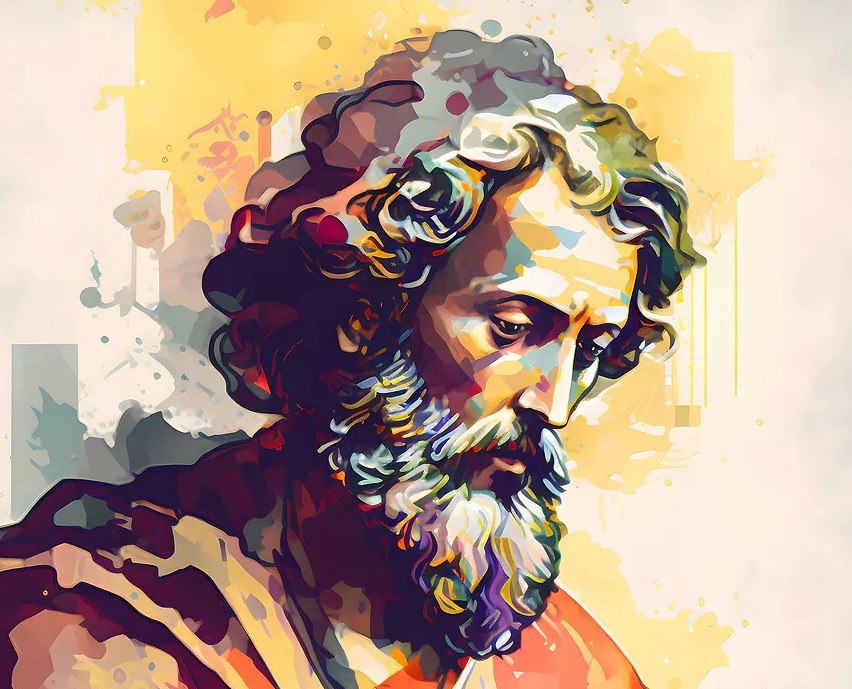
Judas Iscariot was privileged to be one of the twelve disciples chosen by Jesus Christ. He is known primarily for betraying Jesus to the unbelieving Jewish authorities in exchange for thirty pieces of silver. His actions led to Jesus’ immediate arrest by a mob of the corrupted temple agents which included apostate Rabbis, and a detachment of temple soldier-policeman. That action made Judas a famously notorious figure in human history.
Judas’ nefarious kiss led to Jesus Christ’s apprehension which was followed by a secret interrogation performed in the middle of the night by the corrupt tribunal of the Sanhedrin’s unbelieving Rabbis led by their Chief Priest Caiaphas. This was followed quickly by His public show trial by the Roman ruler of Jerusalem, Pontius Pilot, which included Jesus’ public rejection by a Jerusalem mob and His subsequent mocking and crucifixion by Pilot’s soldiers, on that same Good Friday afternoon.
What Does Iscariot Mean?
The meaning of the epithet Iscariot is uncertain. It may have been a Hellenized form of man of Kerioth, in Judea. More probably Iscariot was a corruption of the Latin sicarius (which means murderer or assassin). If that is the reference then the descriptor is an epithet rather than his family name. That epithet suggests that Judas would have belonged to the Sicarii, the most radical Jewish group, many of whom were dagger-carrying violent subversives, who were also know as the Zealots.
What Do we Know about Judas as a Person?
The Scripture tell us very little about the man Judas. We know he was chosen by Jesus fairly early during the three years of Jesus’ earthly ministry Mark 3:19. Judas sat under His teaching, shared meals with Him and witnessed His miracles. In the Synoptic Gospels, Jesus sent “the twelve” (including Judas) out with power over unclean spirits and with a ministry of preaching and healing; Judas clearly played an active part in this apostolic ministry alongside the other eleven.
Judas must have experienced the full power and authority of being one of the team. In that process he would have experienced first hand what it meant to work at building the Kingdom of God on Earth with his fellow disciples. Judas must have been “all in” as a team member of Christ’s disciples, at least initially. He was a co-equal with Simon Peter, John, Matthew, Mark and the rest of the apostles. He experienced the personal power and authority of being a disciple of Christ.
If we give Judas the benefit of the doubt, we must assume that Jesus chose him to give him a chance to find his better self and to become that person. Though Jesus surely knew that Judas would ultimately choose to betray Him, the selfless agape love which was and is the fundamental nature and character of Jesus the Christ would have led Him to give Judas a chance to choose to rise above himself.
Jesus placed Judas in a position of responsibility by making him the group’s treasurer, yet He also knew that Judas struggled with greed and misplaced priorities. Jesus did not chose to prevent Judas from having temptation. He gave Judas the opportunity to overcome his temptations.
What was Judas thinking?
Despite being one of the Twelve Disciples, Judas became infamous for his betrayal of Jesus, which was a moment that changed all of history.
Satan meant Judas’ actions for evil, but as always, God used Judas’ betrayal of Jesus for a greater good!
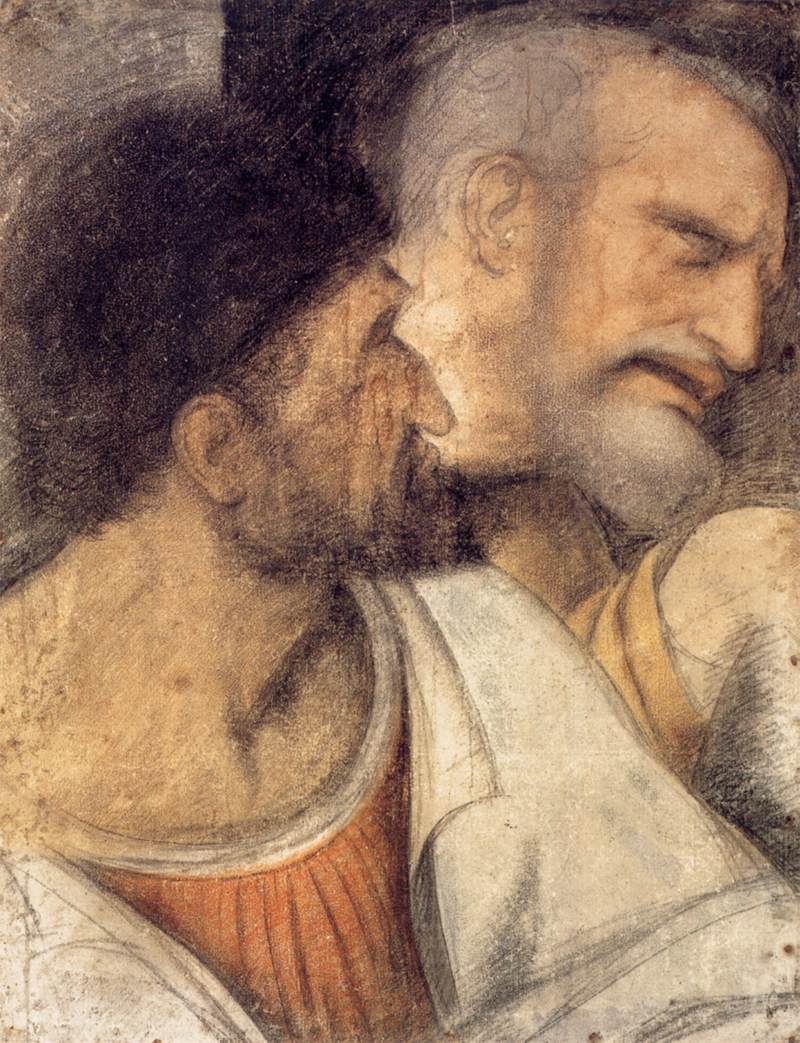
The Gospel According to John tells us that Judas was a thief John 12:6. So we know that despite his accepting Jesus’ invitation to become an apostle, and the years he spent living with and learning from Jesus, Judas missed Christ’s main point and he continued to make knavish choices.
In the week prior to Jesus’ triumphal entry into Jerusalem, Jesus and his entourage walked to the Jerusalem suburb of Bethany. There Jesus raised Lazarus from the dead, which was a foretype of His own soon-to-come Resurrection from death which would be performed by God.
It was Judas who complained about the vial of expensive scented oil used by Lazarus’ sister Mary to anoint Christ’s feet. Judas asserted that the valuable oil could have been sold, which would have allowed the money to be put to better use. That is to say that it, could have been put in Judas’ hands, in his treasury, which would have served Judas’ selfish interests John 12:5. Jesus’ rebuked Judas for disingenuously misunderstanding the importance of the heavenly symbolism of Mary anointing her soon-to-die Lord.
Still trying to give Judas the benefit of the doubt and not cast him as a two-dimensional cardboard villain (which he may well have been), we should consider what might have been Judas’ point of view regarding his betrayal of Jesus.
It may well be that like Simon the Zealot, Judas was ardently in favor of Jewish independence from their Roman overlords. Simon had begun to learn better: Jesus was clearly not seeking a political upheaval against Rome.
Judas apparently didn’t get the memo.
Judas may have justified his betrayal of Christ by thinking that he would provoke a crisis in Jerusalem by which the Jerusalem power elites would try to corral and control Christ. Judas may have wrongly hoped that the Son of God would use the divine authority which Judas had witnessed repeatedly, such as when Christ raised Lazarus from the dead, to overthrow the Roman control of Jerusalem.
No one knows.
We do know that Judas’s character was still ardently selfish, and that he was acting on his own initiative and not relying on God’s Divine providence in the situation. Judas didn’t seem to understand that God had a very different plan, form that which Judas might have had.

Demonic Possession
We are also told the Satan entered into Judas sometime during Holy Week. John’s Gospel states that Satan took possession of Judas in the Upper Room in Jerusalem during the Last Supper John 13:27. At any rate it occurred just prior to the Jewish Festival of the Passover. That Holy Week is widely understood to have been during the Year of our Lord (Anno Domini) 33.
Christ Still Did Not Give Up On Judas
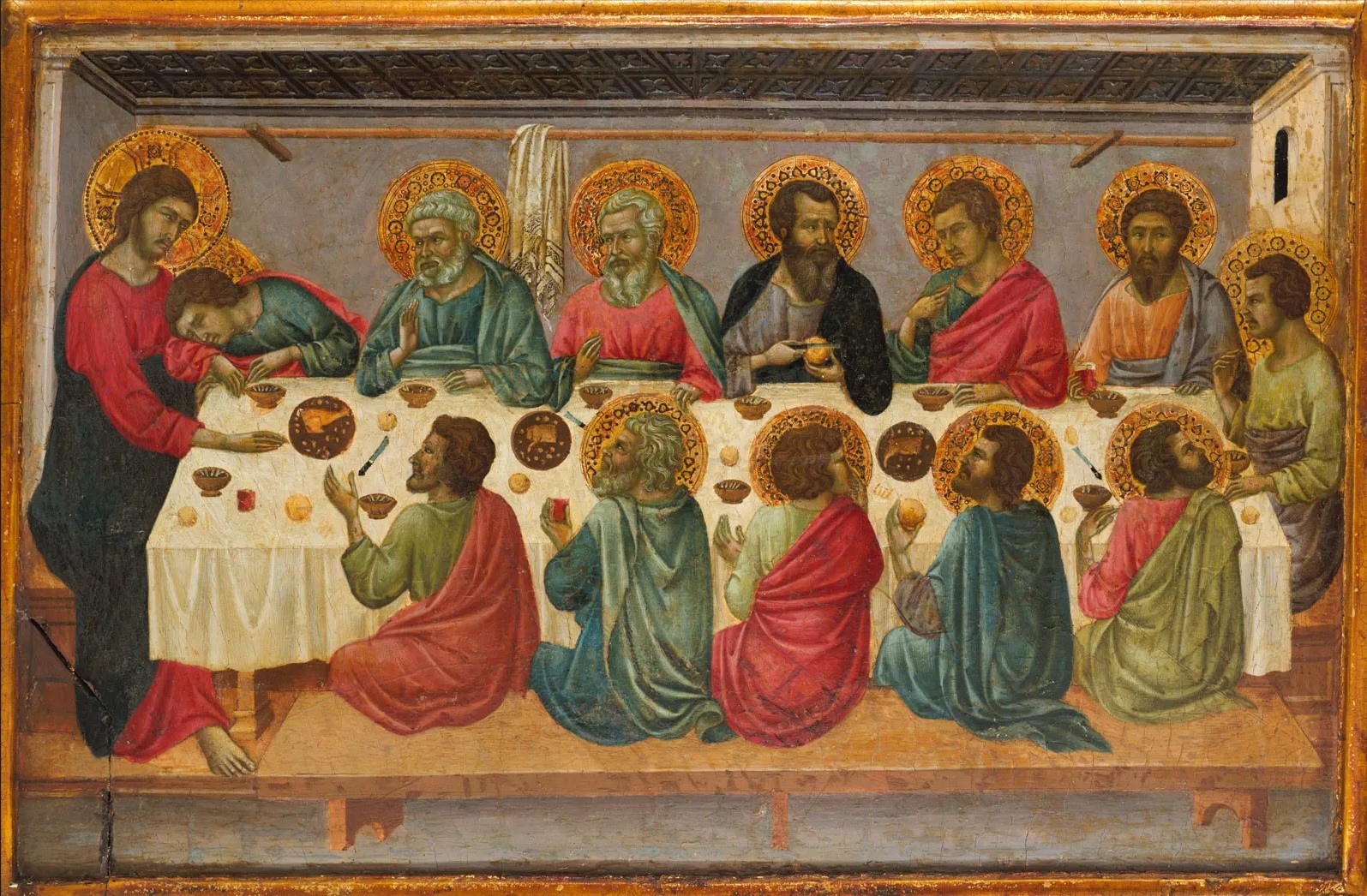
Despite Jesus, no doubt, knowing full well that Judas was now possessed by Satan, Judas was still included in the twelve who were with Jesus on Maundy Thursday evening for the foot-washing event and the Last Supper. This is when Jesus was trying to explain to his disciples what was about to happen to him, and Judas (with Satan) was present for it all.
Jesus taught the disciples about the distinction between the world’s version of power politics and Heaven’s inversion of that “worldly wisdom.” In the secular version the most important are severed and respected by the subservient ones. Divine power politics is the exact opposite of that concept. The selfless, serving, giving-of-everything of Divine agape love serves the subservient, and gives everything to them.
Jesus would personal demonstrate that divine agape love the following afternoon on the cross.
Jesus taught the lesson of inverted power politics to the disciples through the famous foot washing episode.
He also initiated the sacrament of communion which includes the mystical union of believers with each other and with the Triune God in the Last Supper they enjoyed together.
Both of these important events occurred with the demon possessed Judas Iscariot looking on. Satan was no doubt scoffing the whole time.
A much fuller explanation of the worldly power politics versus the higher example of selfless, giving of Divine Love as a form of service to those who are subservient to the Lord (that is, of leadership as a form of servanthood) is presented in greater detail in the post of The Apostle James the Greater. Link to James the greater.
Judas Led the Temple Mob to Jesus
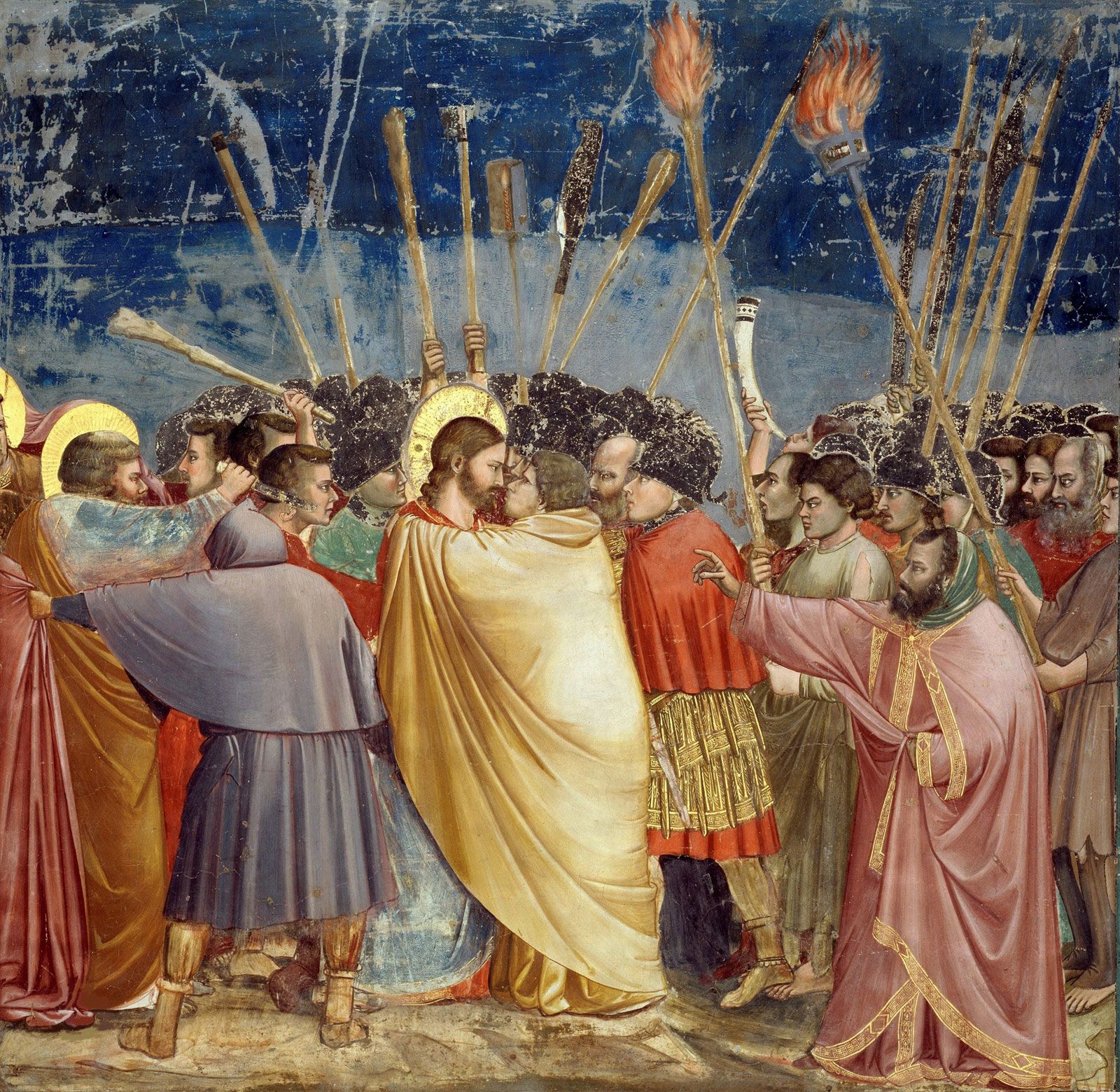
Judas approached Jesus in the Garden of Gethsemane. He greeted him by proclaiming “Rabbi” and then he gave Jesus a kiss. We are told his motive was avarice Matthew 26:14–16 and John 12:6, but Luke ascribes that his action was due to the entrance of Satan into his body Luke 22:3–6. Even under the influence of the Devil, people still make choices; Judas ultimately decided to do what he did.
How Satan Gets Us To Sidestep Divine Forgiveness
No Christian thinks he or she is perfect. Our consciences (actually the deep impressions we receive from God’s Holy Spirit indwelling us) routinely correct us and makes us aware of our frequent acts of foolhardy selfishness. Simon-Peter often impetuously spoke or acted wrongly, and he was frequently corrected by Jesus himself. See the post of Simon-Peter. Link to the Apostle Simon-Peter.
The difference between Judas and Simon-Peter is that Simon-Peter was quick to repent and seek forgiveness from Christ or from God. Judas was deeply remorseful and he regretted his selfish actions, but he did not repent or seek forgiveness for them.
Regret and remorse are very different attitudes from Christian repentance.
Judas’ Final Dilemma
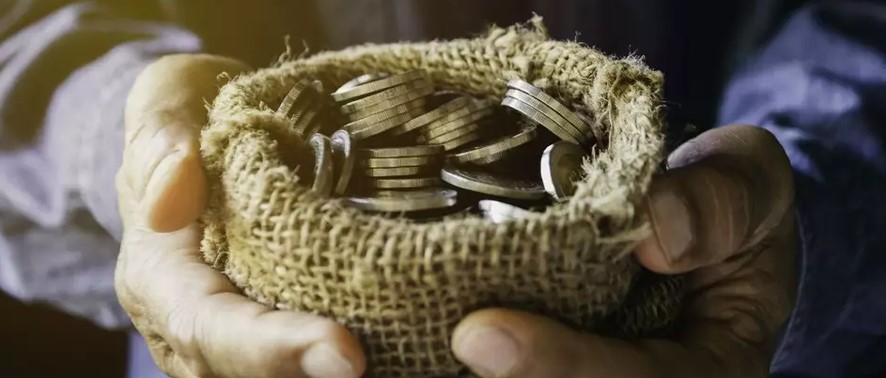
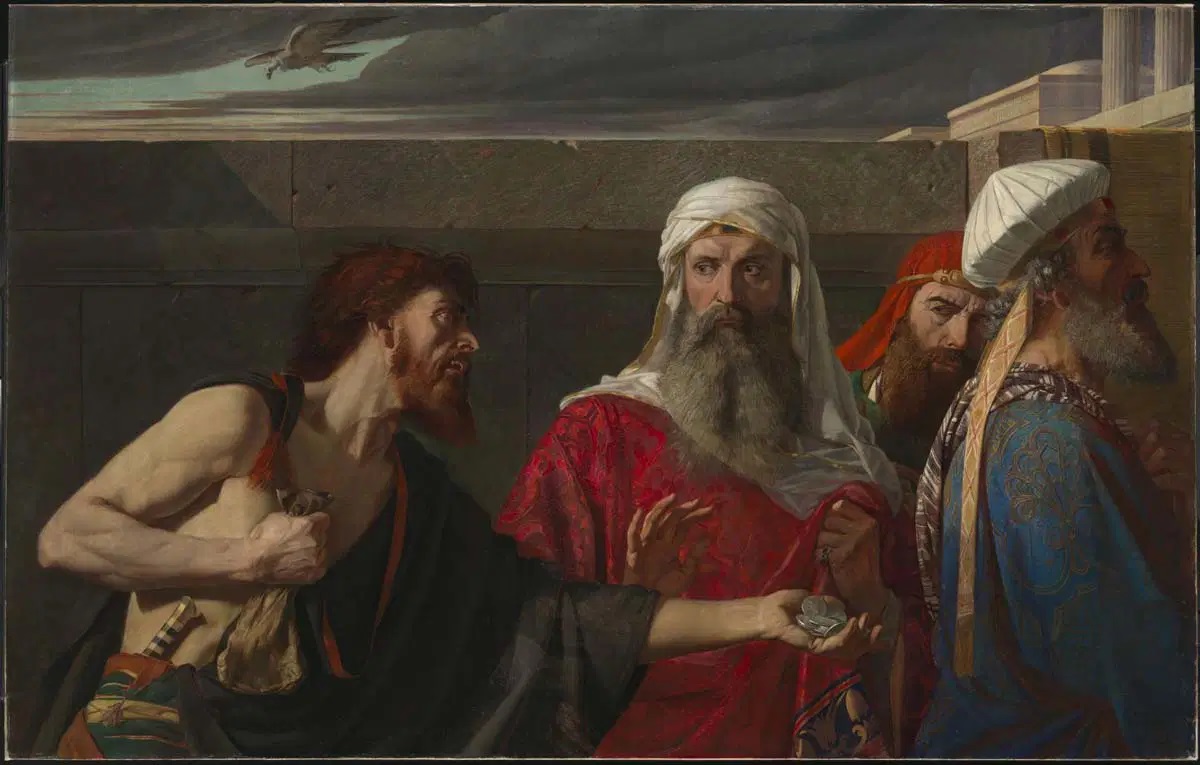
Again, acting on his own, Judas tried to return the 30 pieces of silver which the apostate temple authorities had paid him to betray the Son of God. They knew better than to take their payment back. They knew it was “blood money.” Despite the fact that they had paid the blood money to Judas in the first place they refused to take it back.
Most pious, Christians who are honest with themselves, experience doubts about their faith. Many Christian lives will go through a season literary people refer to as “the dark night of the soul” where they aren’t sure they believe in God or Christianity at all!
Judas is our example of what happens when we don’t turn to God, and see our circumstances and His creation through His eyes, in our times of despair.
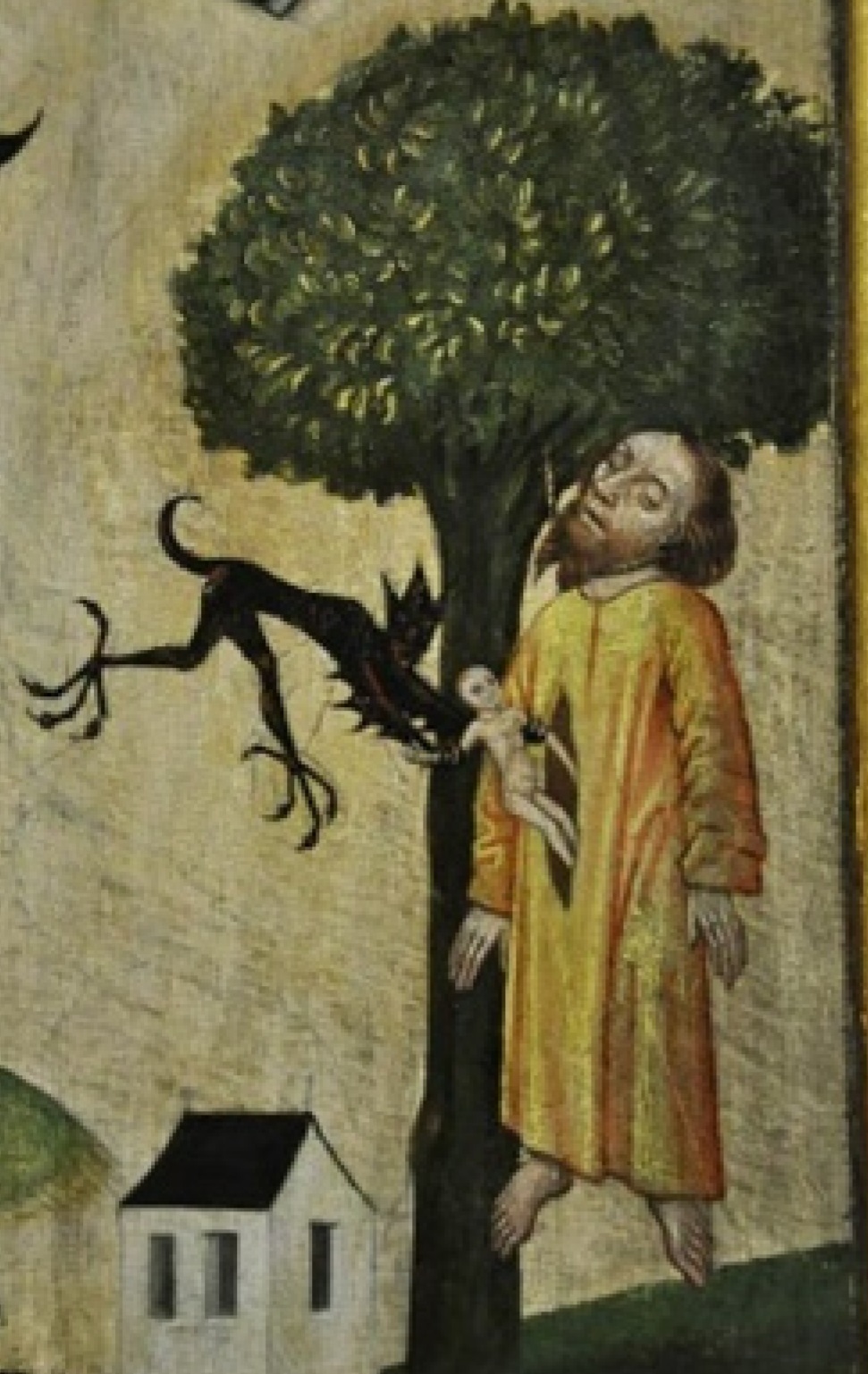
In his unrelenting remorse Judas made his final bad decision Matt 27:3-5.
Judas had been chosen as a disciple of Christ, but he failed to learn His lessons, and as a result he never became an apostle.

Judas’ Legacy in Iconography and Other Artworks
Judas Iscariot is a name that has become synonymous with betrayal.
Remarkably, no specific symbols are routinely associated with illustrations of him.
Conclusion
The Life of Judas Iscariot is clearly a cautionary tale for all of us.
We each have an internal dialog. If we are honest with ourselves, at some level we all have a heart divided. This is the focus of our personal internal struggles. We must make a habit of guarding our hearts and minds against evil thoughts and actions.
If we don’t put on the full armor of God Ephesians 6:10-18 and practice listening to His Holy Spirit John 16:13 and Romans 8:14, we increase our risk of making bad choices, and taking unconstructive actions. Mistakes are inevitable, but they are not irreversible; though some of them are costly. Our internal disciple is the essence of our lives, and only God Himself knows what our score is on that matter. The tragic flaw in Judas’ heart is potentially common to us all.
Selfishness is the core nature of us all. One of the first words out of the mouth of every baby is “MINE!” Our parents struggle to teach us to share with others, but that new learned nature is never more than an overlay of our basic natures.
That is the real problem in human politics, ancient or modern; too many of the players are acting in their personal self-interest. True statesmen acting for the general good of all have become rare birds. Giving, sharing and altruism are of a much higher nature. Generally speaking that higher nature does not come to us naturally.
It certainly did not come naturally to Judas.
Like a good parent who never stops believing the best of his/her child, Christ gave Judas many chances to rise above his selfishness.
Judas chose otherwise.
“The devil made me do it!” may have been good comedy for the 1970s era comedian, Flip Wilson’s skits, but it does not have a place in real life. The free agency of demons, can never overrule the free agency of people. People can choose to submit, but the devils can’t force us do anything. Compared to the power of God’s Holy Spirit, demons are nothing more than annoying wimps!
In the end, being a good person is not only a choice good people make, it is a choice they must make over and over again, all day long, everyday, for their entire lives. As C. S. Lewis humorously illustrates for us in his brilliant story, The Screwtape Letters, life is a step-by-step process in which each decision we make leads to another.