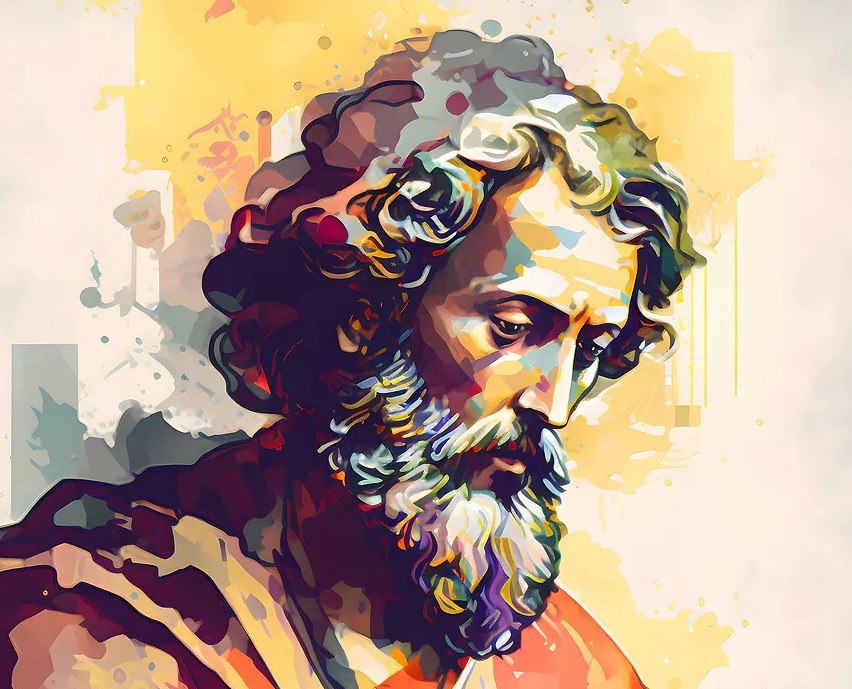

Jude the Half Brother of Jesus by Joseph’s First wife
Saint Jude the Apostle (or Judah) is also known as Thaddaeus Luke 6:16. Jude is the author of The Epistle of Jude. He is almost universally understood to be one of the four half-brothers of Jesus Matthew 13:55; Mark 6:3, from Joseph’s first wife. In all probability he spoke both Greek and Aramaic, like almost all of his contemporaries in that area. Prior to his calling to follow Jesus, he was a farmer.
Jude’s Brother, was James the Just
Jude is also the younger the brother of James the Just, the first Bishop of Jerusalem, who was seated after the martyrdom of Apostle James the Greater by Herod Agrippa I, which stimulated the Great Apostolic Dispersion from Jerusalem in AD 44 Acts 12. Link to James the greater.
James the Just is the author of the Book of James and the compiler of The Liturgy of Saint James, the oldest surviving description of the worship sequence used by the Apostolic church for their Sunday worship service to God. That liturgy is a modified version of the Jewish worship service to God, which was originally instituted by God, through Moses at Mount Sinai. That Divine institution is documented in the Pentateuch, the first five books of The Bible written by Moses. Of course, the Jewish ritual worship routine had to be updated to account for the arrival of God’s promised Messiah, Jesus the Christ, but the updated liturgy was still the format God had directed His believers to use to worship Him.
James the Just was also the apostle who presided over the important Jerusalem Council (the de facto Zeroth Ecumenical Council) which is the abiding biblical model for conflict resolution in the One, Holy, Apostolic and Universal Church. In AD 49, the apostolic Jerusalem Council decided that new Gentile converts to Christianity did not have to be circumcised and Judaized to become full Christians Acts 15.
Jude’s Name is of Hebrew Origin
Jude’s name was derived from the Hebrew name Yehudah, hence Judah or Jude. In Greek it was written as Loudas. Thaddaeus was an Aramaic nickname for Jude which also means beast. The Aramaic name Thaddaeus is also associated with the Greek name Lebbaeus, which means heart or courage.

A Contradictory Source Regarding Jude’s Family
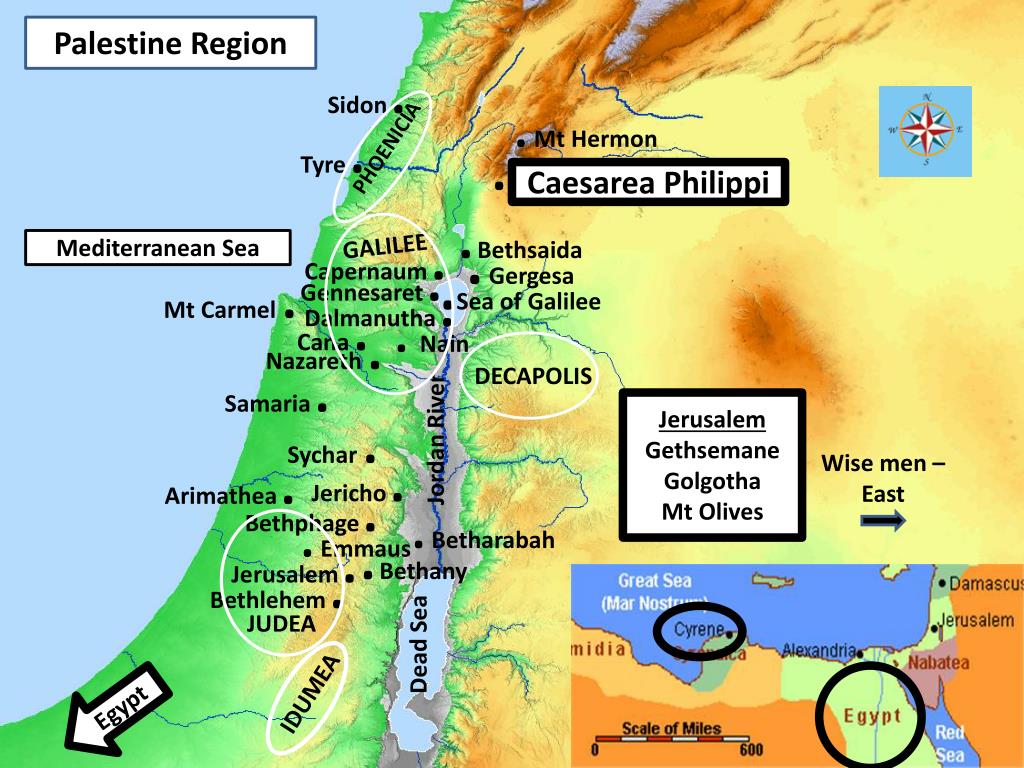
Some confusion about Saint Jude’s family origin is produced by surviving fragments of a document written by the apostolic father Papias of Hierapolis who was born around AD 60 and died in AD 130. Papias wrote the Exposition of the Sayings of the Lord. In that very early document by Papias, he states that Saint Jude was born into a Jewish family in the town of Paneas, in Upper Galilee. Paneas was later rebuilt by the Romans and renamed Caesarea Philippi.
According to Papias’ narrative, Saint Jude was a son of Cleopas and his wife Mary, who was a cousin of the Virgin Mary. Tradition also has it that Jude’s father, Cleopas, was martyred because of his forthright and outspoken devotion to the risen Christ. Jude’s side of the family are described as having been very zealous as observant Jews, and in supporting Jesus of Nazareth as being God’s promised Messiah. This confusion regarding Jude’s parents is an example of the challenges ancient historian face in studying the early church.
Jude’s and Cleopas’ zeal for Jewish orthodoxy should not be confused as a reference to the Jewish sect of the Zealots described by the romanized Jewish historian Josephus. The Zealots a sect of Judaism which was militantly opposed to Roman hegemony over Israel.
The Crescendo of Saint Jude’s Participation in the Life of Christ – Holy Week
The crescendo of the Life of Christ, which Jude witnessed, was the events in Jerusalem during Holy Week. The importance and meaning of these events are described in detail in the post on the Son of Thunder – Apostle James the Greater. Link to James the Greater.
Suffice it to say here that the Crucifixion and death of the 37 or 38 year old Jesus Christ on Friday, April 3rd, and His bodily resurrection back to life three days later, on Sunday, April 5th, of AD 33 changed the world forever.
Note that Jesus was born in the last year of the reign of the Romanized, ethnically Jewish King Herod the Great, who subsequently ordered the Murder of the Innocents in Bethlehem. Link to the murder of the Innocents. Herod died in 4 BC. Hence, in AD 33 Jesus would have been either 37 or 38 years old.

Jude was a Direct Eyewitness to The Passion of Christ
Jude was an eyewitness to the events described in The Gospels, which includes both the Crucifixion and death of Jesus and to His subsequent bodily Resurrection from death back to life. Jesus was dead and in the grave from late Good Friday afternoon until sometime early on Easter Sunday morning when God Divinely resurrected Him from death to life as a physical person.
The risen Jesus was not the ghost or spiritual apparition that some have imagined.
After living with Jesus for the ensuing 40 days, Jude then became an eyewitness to the Ascension of Christ when He rose up to heaven, rejoined God and took His seat on God’s right hand side.
Jude was Empowered by the Indwelling of God’s Holy Spirit at Pentecost
The Ascension occurred 10 days before the Jewish Festival of the Pentecost, when Jude and his fellow Apostles and disciples experienced the dramatic indwelling of God’s Holy Spirit.
Saint Jude’s Initial Missionary Journeys
Ancient oral tradition reports that after the resurrection of Christ, Saint Jude initially preached the gospel in Judea, Samaria (as far north as modern-day Beirut) and Idumaea (the land of Sinai and Edom, the southern desert region between Israel and the Sinai Peninsula), that is to say that Saint Jude preached throughout the area of Greater Palestine.
For a Decade the Apostles Ministered In and Around the Levant Region
Luke documents some of those activities in his The Acts of the Apostles. That book details some of the events of the initial evangelism performed by the Apostles and by the many disciples who acted with the assistance of God’s Holy Spirit. They worked in and around Jerusalem and throughout the region of the Levant (the area of Greater Palestine). They each gave the accounts of what they had personally witnessed to anyone who was interested. They walked throughout the region and worked to help with the rapidly growing mostly Jewish “Sect of the Nazarene,” which soon became the nascent Christian One, Holy, Apostolic and Universal Church.
The Martyrdom Of The Apostle James The Greater in Jerusalem
In Jerusalem the sudden and dramatic increase in the persecution of the mostly Jewish Christian church in Jerusalem stimulated the missionary journeys of those apostles who had not already begun their travels away from Jerusalem. The Apostles Andrew and John had both left the Jerusalem “cloister” six years earlier in AD 38.
The local and regional focus of the Apostles radically changed in AD 44. After 11 years of evangelism, teaching and service in and around Jerusalem, the nascent Christian Church was well-established throughout the Levant region.
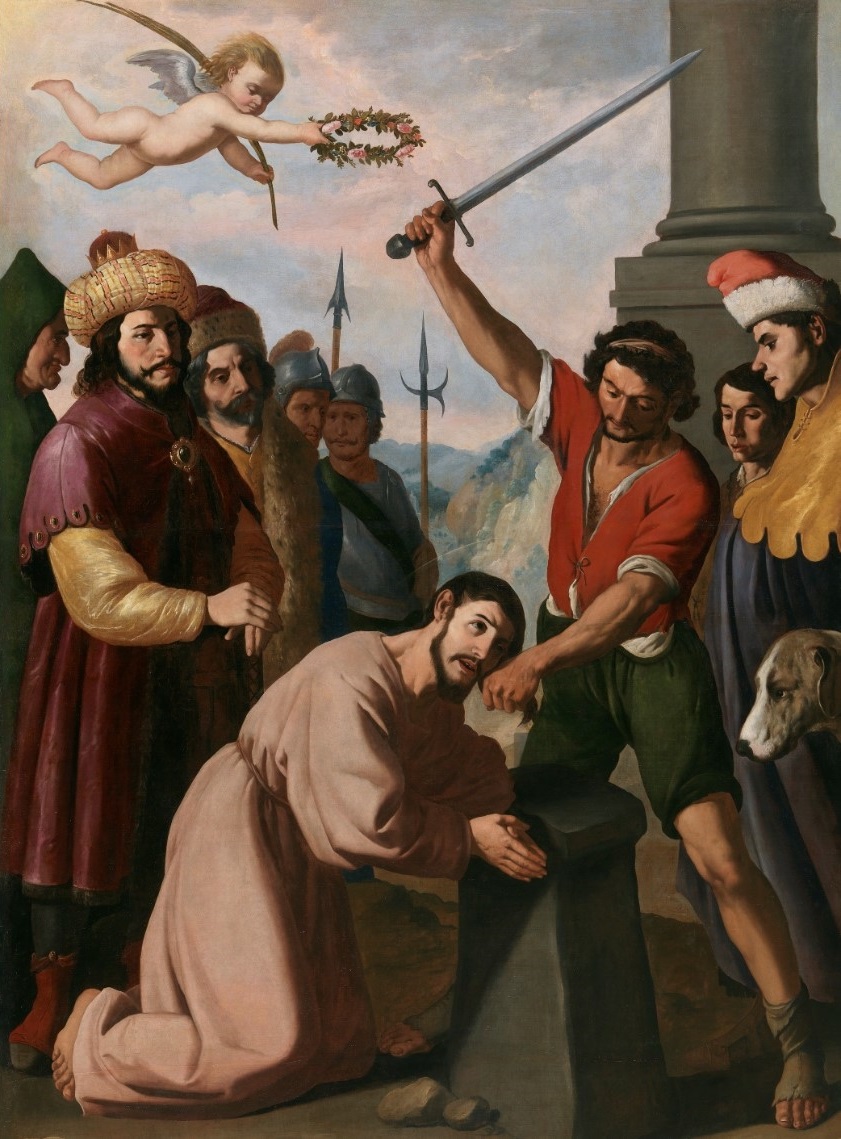
In the spring of AD 44, just prior to the Jewish Festival of the Passover, the Romanized, ethnically Jewish king, Herod Agrippa I, the grandson of Herod the Great, arrested James the Greater, and he put James through a public show trial and then had him executed by beheading Acts 12:1-2.
The Great Dispersal of the Apostles in AD 44
Herod apparently had James publicly executed because he wanted to please the powerful and influential Jewish Pharisees and Sadducees who controlled the Second Temple in Jerusalem. The Second Temple had been extensively and lavishly restored, renovated and expanded by his grandfather.
He also arrested the Apostle Paul, and planned for his execution after the festival was completed. Paul was subsequently released from jail by an angel of God. The escapee, Paul went to the home of John Mark’s mother in Jerusalem and warned the Christian leadership there and then he fled the city Acts 12:5-19.
Jude’s Brother, James was Seated as the First Bishop of Jerusalem
The ever-brave and courageous, God-trusting James the Just, the half-brother of Jesus, and the author of the Book of James, chose to stay in Jerusalem where he was then confirmed and seated as the Bishop of Jerusalem.
Satan Meant It for Evil, But God Used It For Good
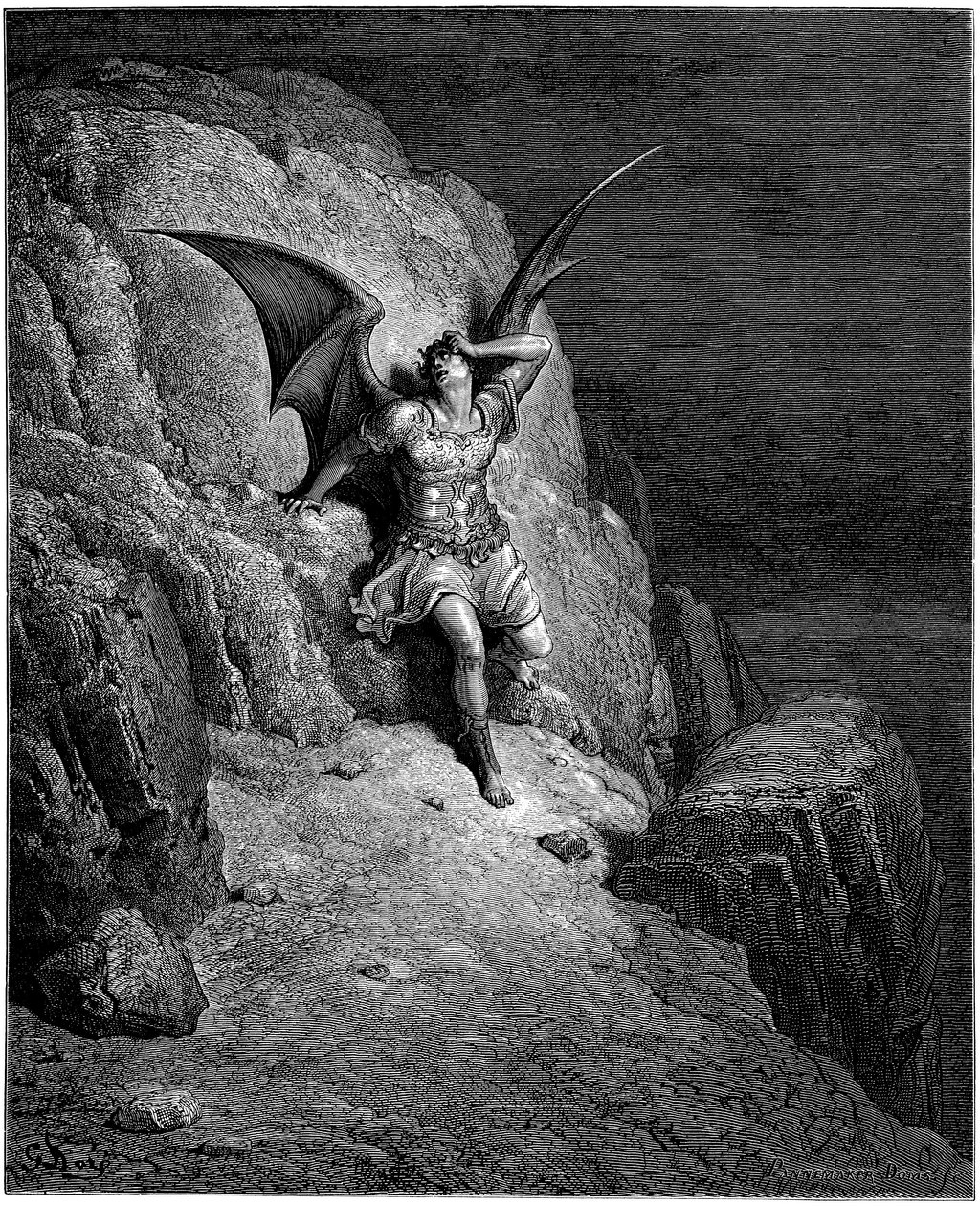
As is always the case, Satan meant it for evil, but God used it for good.
Satan meant the execution of Jesus to be a victory for him and his selfish human “beasts” (the nefarious government authorities Revelation 13:1-4), and “the harlot who rides on the beast” (the atheistic and/or apostate religious leaders Revelation 17) who all worked in tandem together against God.
Instead, Satan’s actions wound up serving a far more important divine purpose. The Death of Jesus Christ was a prelude to his Divine Resurrection.
Likewise the beheading of the Apostle James also served a greater purpose for God.
After the martyrdom of James and the flight of Simon-Peter from Jerusalem, many of the Apostles and disciples of Christ began leaving Jerusalem and the Greater Palestine region as well. One by one or in small groups they embarked on whatever distant missionary journeys the Spirit of God led them.
Many of them embarked to other places in the Roman Empire. Some of them traveled well beyond that empire, sojourning and spreading The Gospel far and wide.
Again, Satan may have meant Herod’s actions for evil, but God used them for the good of His kingdom.
The Tyrant King Herod also Received His Gruesome Comeuppance
By the way, shortly after Herod had James beheaded, Herod experienced the reward for his actions. The blasphemer was eaten alive by worms and he died from that parasitic infection Acts 12:23 !!
Secular historians record the death of Herod Agrippa I as occurring in AD 44, so James’ martyrdom, and the “great apostolic exodus” must have occurred in that year as well.
Saint Jude’s Subsequent Missionary Journeys
After the persecution of the Christians in Jerusalem by Herod Agrippa in AD 44, Jude’s travels widened to include Syria (including the city of Edessa, where he was known as “Thaddaeus of Edessa, one of the seventy disciples of Christ”). Jude’s further travels then took him into Mesopotamia, and to Libya in Northern Africa.
According to Eusebius, he returned to Jerusalem in AD 62, and assisted at the election of his other brother, St. Simeon, as the second Bishop of Jerusalem after James the Just was martyred in Jerusalem.
Ancient oral tradition states that Saints Jude and Simon the Zealot traveled to the large and thriving diasporic Jewish community in Babylon, and they stayed there witnessing that Jesus of Nazareth had been God’s promised Messiah and that He had come exactly as God had promised.
Their Holy entourage included one of the 70 disciples named in Luke’s Gospel Luke 10:1-20 whose name was Abdias. Jude and Simon consecrated and seated Abdias as the first Bishop of Babylon (Mesopotamia).
Abdias went on to become the author of the ancient but non-canonical Acts of Simon and Jude which recorded their many acts and Jude’s martyrdom.
The Short but Forceful Epistle of Jude
While little is known about Jude as a person, it’s evident that he was held in high esteem in the early church. He was married, and he engaged in multiple missionary trips 1 Corinthians 9:5. He also wrote his The Epistle of Jude sometime early during the Jewish revolt against Roman rule which began in AD 66 and resulted in the destruction of Jerusalem and of the Second Temple in AD 70 by the forces led by the Roman General Titus. That war ultimately ended in AD 73.
We don’t know what specific community Jude wrote to, but it was very likely made up of mostly messianic Jews. His writing style reflects a deep knowledge of the Old Testament Scriptures as well as other popular Jewish literature. Jude had become aware of a crisis that was facing this church, which helps us better understand the letter’s design.
Jude’s one chapter epistle begins with an introduction followed by a strong encouragement to contend for the faith in verses 1-4. That is followed by a long warning against apostasy and about not listening to the corrupt teachers who had been influencing the church, in verses 5 through 19. Jude then concludes the letter by completing a recommended plan about what the church he is writing to should do about their situation, in verses 20-25.
Jude’s unapologetic message in his short letter is that God’s grace through Jesus Christ invites a whole-life response, not only an intellectual assent. The church builds itself up through people’s dedication to each other and by obediently loving God and our neighbors.
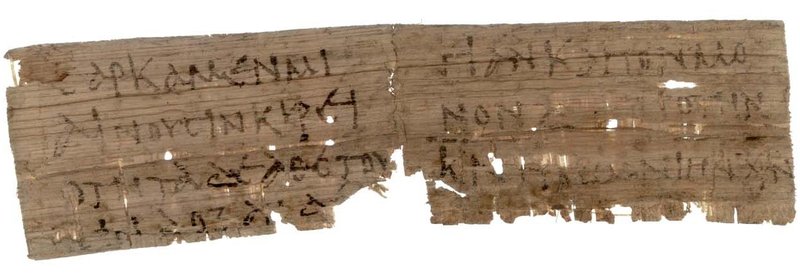
The Martyrdom of Saints Jude and Simon the Zealot
Sometime between AD 65 or 70 Saint Jude was martyred in Armenia. According to tradition he was martyred by being clubbed to death and then having his head shattered with an axe. His remains are believed to be located at the Monastery of Saint Thaddaeus in the West Azerbaijan Province, of Iran.
Jude’s friend and long standing companion, Simon the Zealot is traditionally believed to have been martyred by being cut in half with a saw. Simon was also said to have been martyred in Persia, around the same period of time, however these ancient accounts do not suggest that they were martyred together.
Saint Jude’s Depictions in Later Artworks
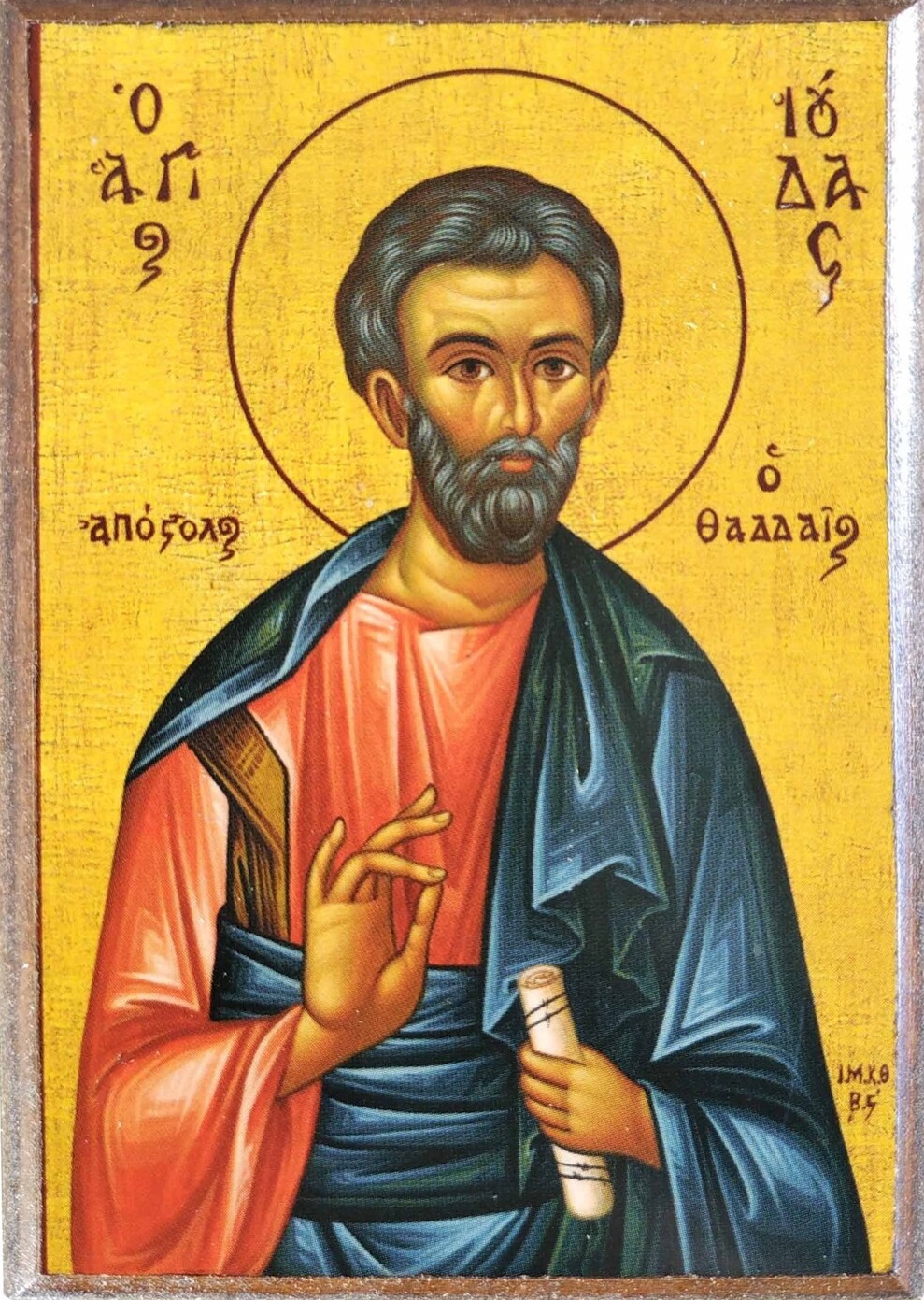
The axe that he is often shown holding in illustrations of him symbolizes the way in which Saint Jude was martyred. He is also usually wearing a large pectoral medallion of Christ, and he is shown with a tongue of fire over his head. The tongue of fire over his head is a standard artistic rendition of the Shekinah Glory of God’s purity and truth which engulfed the Apostles when God’s Holy Spirit descended on them at Pentecost. The pectoral medallion of Christ is known as the Image of Edessa. Both of which symbolize Jude’s zeal for Christ. He is also often shown holding a scroll which represents the epistle he wrote.
Jude’s Legacy
In the Roman Catholic Church, Saint Jude is the patron saint of desperate cases and lost causes.