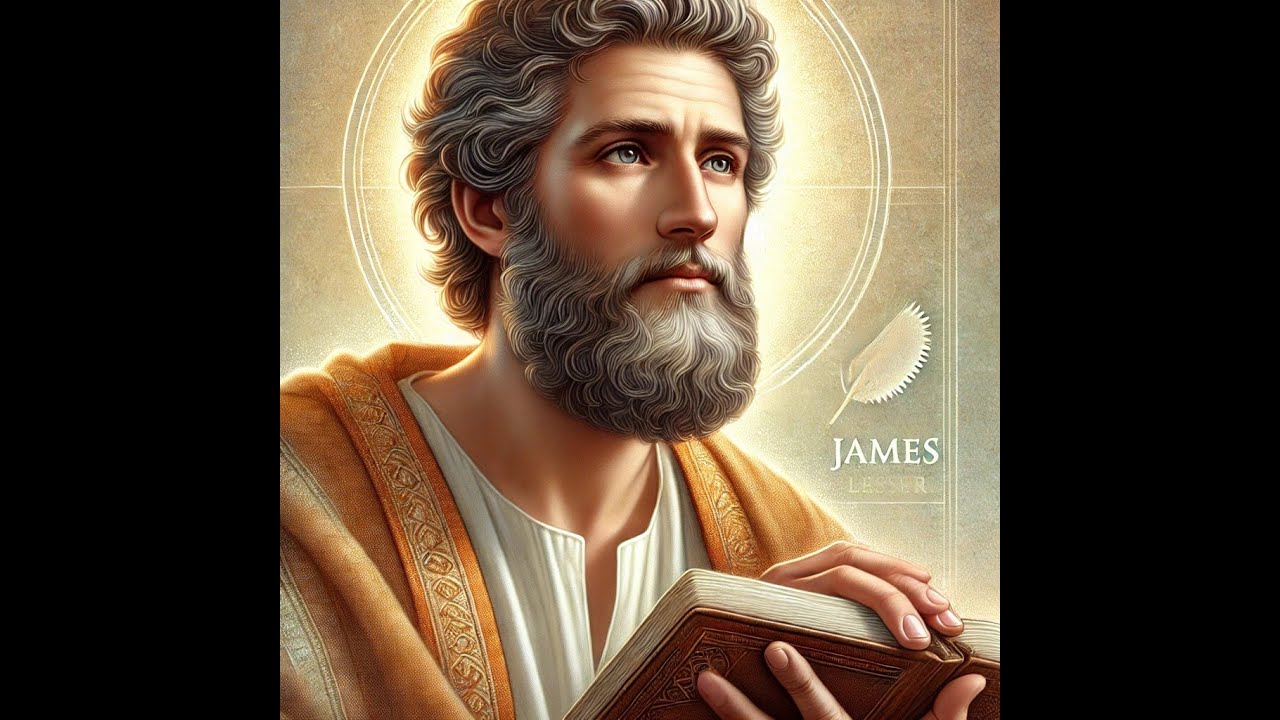
It is likely the observant Jewish couple Alphaeus and Mary lived in Capernaum and had at least three sons, the Apostle Matthew, the Evangelist (the Gospel writer) Link to Matthew, Joseph (or Jose in Mark’s Gospel), and the Apostle James the Lesser (meaning younger or shorter).
The Apostle “James the Son of Alphaeus” is listed in the Gospel lists of Apostles mentioned by Matthew, Mark, and Luke.
Alphaeus is also mentioned in the second Chapter of Mark, in reference to Levi the son of Alphaeus, the tax collector who is called by Jesus to become one of his disciples. Levi is universally agreed to be another name for the Apostle Matthew.
Its is likely, but by no means universally agreed to that the Apostle James the Lesser and the Apostle Matthew, the Evangelist were in fact both brothers, being sons of the same Alphaeus.
However some biblical academics dispute this and assert the existence of two different men named Alphaeus, for several reasons. First of all, Alphaeus was apparently a common name back then. The academic nay-sayers also notice that the other two pairs of Apostolic brothers (Andrew and Simon, and John and James the Greater) are routinely described as brothers in various statements in the Gospels, whereas Matthew and James, the Younger are never described that way.
Therefore, Matthew and little James might or might not have actually been brothers. That leaves you free to form your own opinion on the matter.
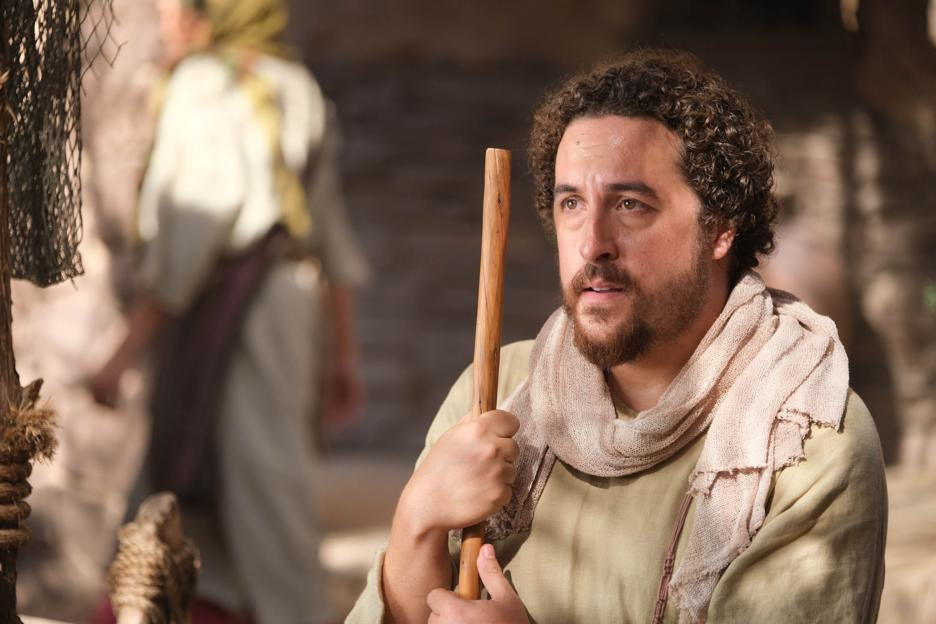
James the Lesser’s mother was named Mary Mark 15:40.
Little James was from The Seaside Fishing Village of Capernaum
The families of two other apostle-brothers were also from the fishing village of Capernaum, which is located on the northwestern shore of the Sea of Galilee. The observant Jewish couple of Zebedee, the Fisherman and Mary-Salome, and the their two sons, James the Greater who was apparently both older and taller than his brother Link to James the Greater, and the Apostle John the Evangelist (the other apostolic gospel writer). Link to John.
Capernaum is also was the town in which the observant Jewish couple Jonah and Joanna lived with their two sons, Andrew, the First Called, Link to Andrew, and his brother, Simon-Peter who were operating Peter’s fishing business. Link to Simon-Peter.
Jesus Used Capernaum As A Home Base
Even though Jesus spent a lot of time walking around the Levant (Greater Palestine), He used the village of Capernaum as a sort of home base. The village itself had a population of around 3,000 people (or possibly more). The road from Damascus towards Jerusalem passed through Capernaum.
The population of the Region of Galilee is estimated to have been around 200,000 people, some of whom no doubt attended and heard Jesus’ Sermon on the Mount.
Capernaum Also Had a Roman Tax Collection Office
Finally, the village of Capernaum is also the town in which Matthew the Apostle and Evangelist worked as a Roman tax collector. That made him a “publican,” meaning that he was a government administrator. He was employed by Roman overlord, the Tetrarch of Galilee, Herod Antipas. Matthew was also the apostle who wrote The Gospel According to Matthew, hence his epithet “the Evangelist.”

The Nearby Seaside Village of Bethsaida
Bethsaida is another seaside village located on the north shore of the Sea of Galilee. It was about six miles east of Capernaum. It was the home town of Philip, the Pragmatic Apostle, Link to Philip. Philip was so excited when he was called by Jesus that he ran to tell his friend Nathanael Bartholomew about Jesus of Nazareth being the promised Messiah, and he too became a disciple of Christ. Link to Nathan.
Little James’ Mother Mary, is one of The Three Marys at Foot of The Cross
James’ mother Mary is one of the three Marys mentioned who watched Jesus die on the cross, and be placed in the tomb which belonged to Joseph of Arimathea. Joseph and Nicodemus carefully placed Jesus’ lifeless body in the tomb just as the sun was setting in Jerusalem on Good Friday evening.
Mary the mother of James the Younger is also one of the three Marys who walked to the tomb early on Easter Sunday morning to prepare His dead body for its final burial, only to find the stone rolled away, and the tomb empty.
Little James is Otherwise Not Mentioned in Scripture
James the Younger is one the two more obscure of the apostles of Christ. Nothing else is known about him with any certainty. Jude is the only other Apostle, about whom we know so little.
The Crescendo of James the Younger’s Participation in the Life of Christ – Holy Week
The crescendo of The Life of Christ, which James witnessed, was the events in Jerusalem on Holy Week. The importance and meaning of these events are described in greater detail in the post on the Son of Thunder – Apostle James the Greater. Link to James the Greater. Suffice it to say here that the Crucifixion and death of the 37 or 38 year old Jesus Christ on Friday, April 3rd, and His bodily resurrection back to life three days later, on Sunday, April 5th, of AD 33 changed the world forever.
Note that Jesus was born in the last year of the reign of the romanized, ethnically Jewish King Herod the Great Matthew 2:1. Herod subsequently ordered the Murder of the Innocents in Bethlehem. Link to the Murder of the Innocents. Herod died in 4 BC. Hence Jesus would have been either 37 or 38 years old when he was crucified.

James was an Eyewitness to The Passion of Christ
James was an eyewitness to the events described in the Gospels and to both the Crucifixion and death of Jesus and to His bodily Resurrection from death back to life. Jesus was dead and in the grave from late Good Friday afternoon until sometime early on Easter Sunday morning when God Divinely resurrected Him from death to life. He was restored back to being a physical person, walking, talking, eating and even having his wounds examined.
The risen Jesus was not the ghost or spiritual apparition that some imagine.
James Witnessed the Ascension of Christ
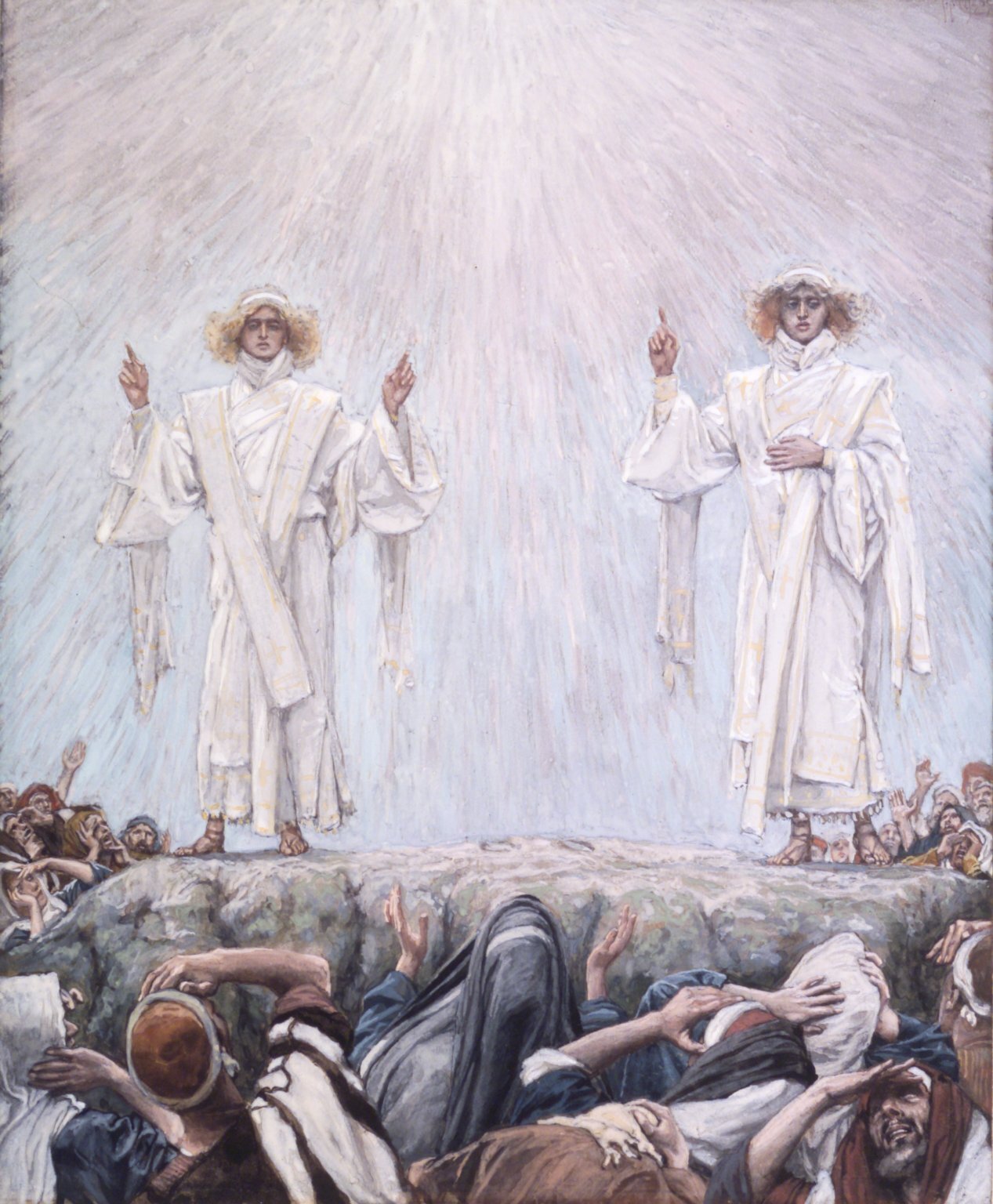
After living with Jesus for the ensuing 40 days, Little James then became an eyewitness to the Ascension of Christ when He rose up to heaven and rejoined God, taking His seat on God’s right-hand side.
James was Empowered by the Indwelling of the Spirit of God at Pentecost
The Ascension occurred 10 days before the Jewish Festival of the Pentecost, which is 50 days after the Festival of Passover. At Pentecost James the Younger and his fellow Apostles and Jesus’s other disciples experienced the dramatic indwelling of God’s Holy Spirit.
For the Next Decade the Apostles Ministered In and Around the Levant Region
The Acts of the Apostles details the initial evangelism performed by the 12 Apostles and the many disciples who, with the assistance of God’s Holy Spirit, worked in and around Jerusalem and throughout the region of the Levant (the area of Greater Palestine). They each gave their personal accounts of what they had witnessed. They walked throughout the region and worked to help with the rapidly growing mostly Jewish “Sect of the Nazarene,” which soon became the nascent Christian One, Holy, Apostolic and Universal Church.
The Great Dispersal of the Apostles in AD 44
In Jerusalem the sudden and dramatic increase in the persecution of the mostly Jewish Christian Church there stimulated the missionary journeys of those apostles who had not already begun their distant travels away from Jerusalem.
The Apostles Andrew and John had both left the Jerusalem cloister six years earlier in AD 38.
The local and regional focus of the Apostles radically changed in AD 44. After 11 years of evangelism, teaching and service in and around Jerusalem, the Christian Church was well-established throughout the Levant region.
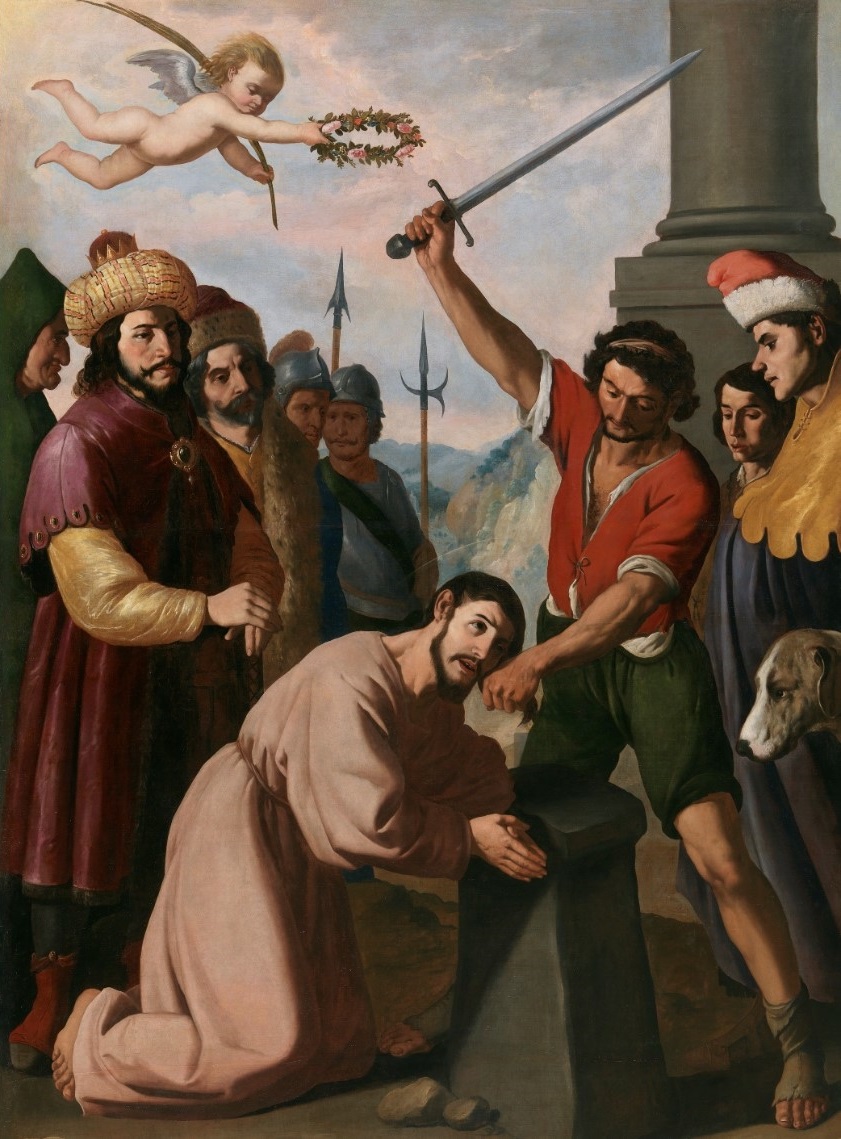
In the spring of AD 44, just prior to the Jewish Festival of the Passover, the romanized, ethnically Jewish king, Herod Agrippa I, the grandson of Herod the Great, arrested James the Greater, and he put James through a public show trial and then had him executed, by beheading Acts 12:1-2.
Herod apparently did this because he wanted to please the powerful and influential Jewish Pharisees and Sadducees who controlled the Second Temple in Jerusalem, which had been rebuilt and expanded by his grandfather.
He also arrested the Apostle Paul, and planned for his execution after the festival was completed. Paul was subsequently released from jail by an angel of God. Paul then warned the Christian leadership in Jerusalem and fled the city Acts 12:5-19.
The ever-brave and courageous, God-trusting James the Just, the half-brother of Jesus, and the author of the Book of James, and of the archetypal, important and influential Liturgy of Saint James was then confirmed and seated as the first Bishop of Jerusalem.
Satan Meant It for Evil, But God Used It For Good
As is always the case, Satan meant it (everything) for evil, but God used it for good.
Satan meant the execution of Jesus to be a victory for him and his selfish human “beasts” (the nefarious government authorities Revelation 13:1-4), and “the harlot who rides on the beast” (the atheistic and/or apostate religious leaders Revelation 17) who all worked together, and in tandem against God.
Instead, Satan’s actions wound up serving a far more important Divine purpose. The death of Jesus Christ was a prelude to his atoning Divine Resurrection.
Likewise the beheading of the Apostle James also served a greater purpose for God.
After the martyrdom of James and the flight of Simon-Peter from Jerusalem, many of the Apostles and disciples of Christ are believed to have begun dispersing from Jerusalem and the Greater Palestine region and out into the further reaches of the world. One by one or in small groups they embarked on whatever distant missionary journeys the Spirit of God led them.
Many of them embarked to other places in The Roman Empire (e.g., the Apostle Paul). Some of them traveled well beyond that empire, sojourning and spreading the Gospel far and wide.
Again, Satan may have meant Herod’s actions for evil, but God used them for the good of His kingdom.
The Tyrant King Herod Agrippa also Received His Gruesome Comeuppance
By the way, shortly after Herod had James beheaded, Herod experienced the reward for his actions. The blasphemer was eaten alive by worms and he died from that parasitic infection Acts 12:23 !!
Secular historians record the death of Herod Agrippa I as occurring in AD 44, so James’ martyrdom, and the “great apostolic dispersion” must have occurred in that year as well.
Ancient Oral Traditions of James the Lesser’s Missionary Journeys
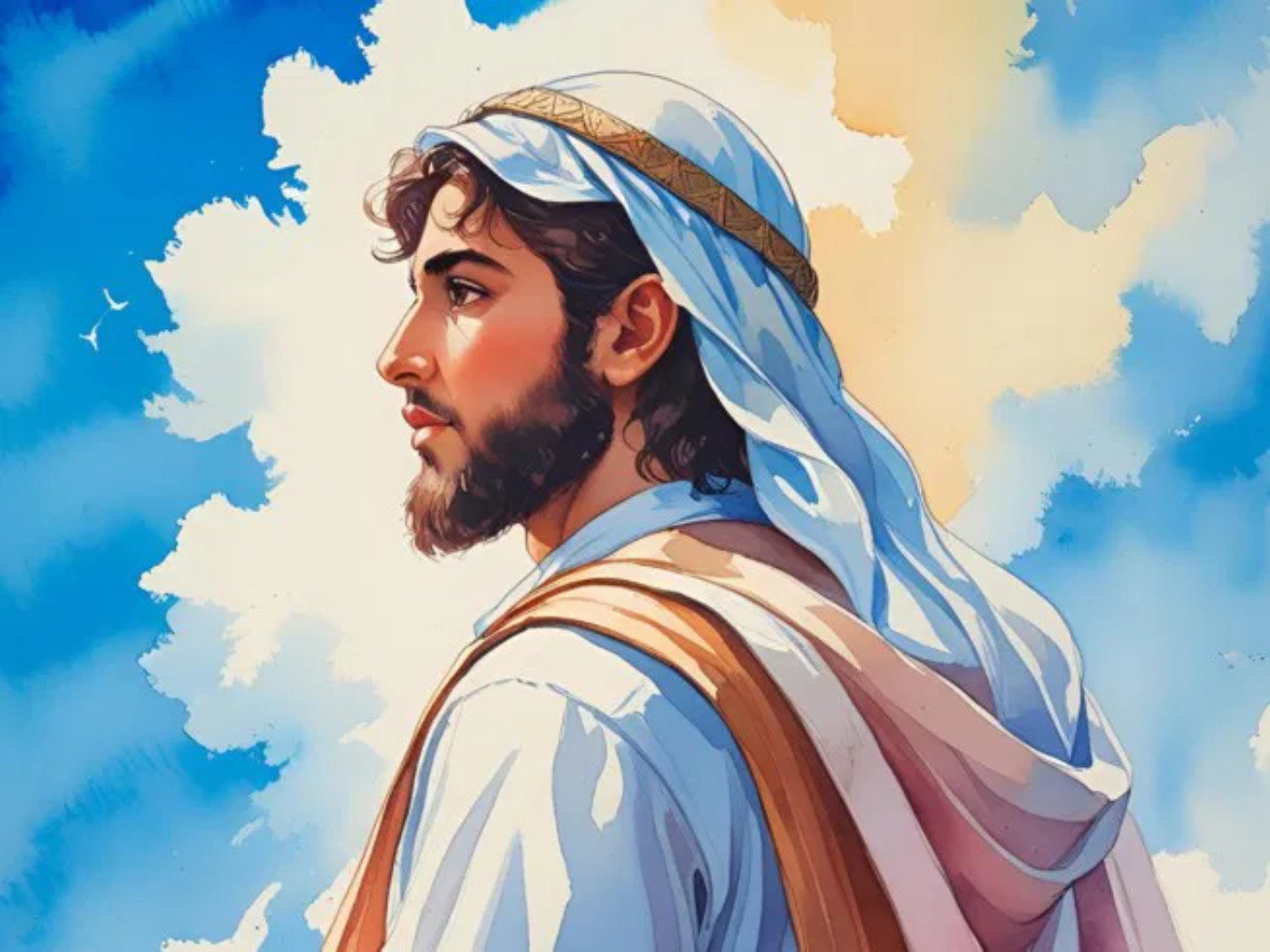
Very little is reliably known about James, the son of Alphaeus’ later ministry. Hippolytus of Rome, who was discipled by Irenaeus of Lyon, states that James the Lesser journeyed with the Apostle Andrew through Judea, Gaza, and Eleutheropolis (in central Israel) and then on to Persia and back to Syria.
James the Lesser was seated as the first Bishop of Syria. James and Andrew are reported to have done much to establish the Church in that realm.
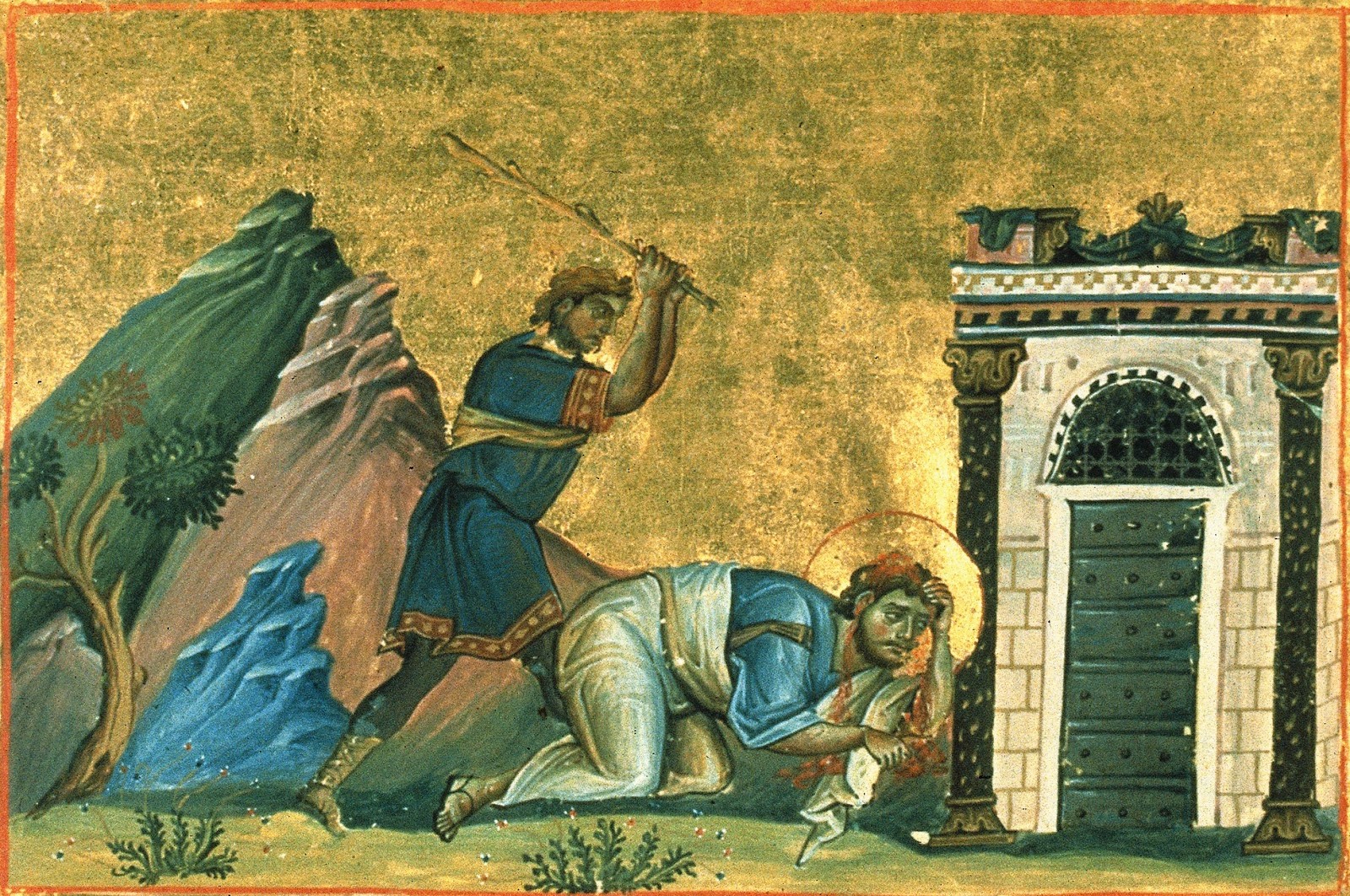
St James finished his apostolic work in the lower (northern) Egyptian city of Ostrakine, where he was either crucified by the pagans, or alternatively, some reports state that he was beaten to death with a wool fuller’s club sometime around AD 62.
Some ancient authors such as Eusebius, Jerome, Hegesippus and a cadre of modern scholars conjecture that James the Lesser and James the Just, the half-brother of Jesus who become the first Bishop of Jerusalem, were the same person, but that assertion is almost certainly a knavish mistake.
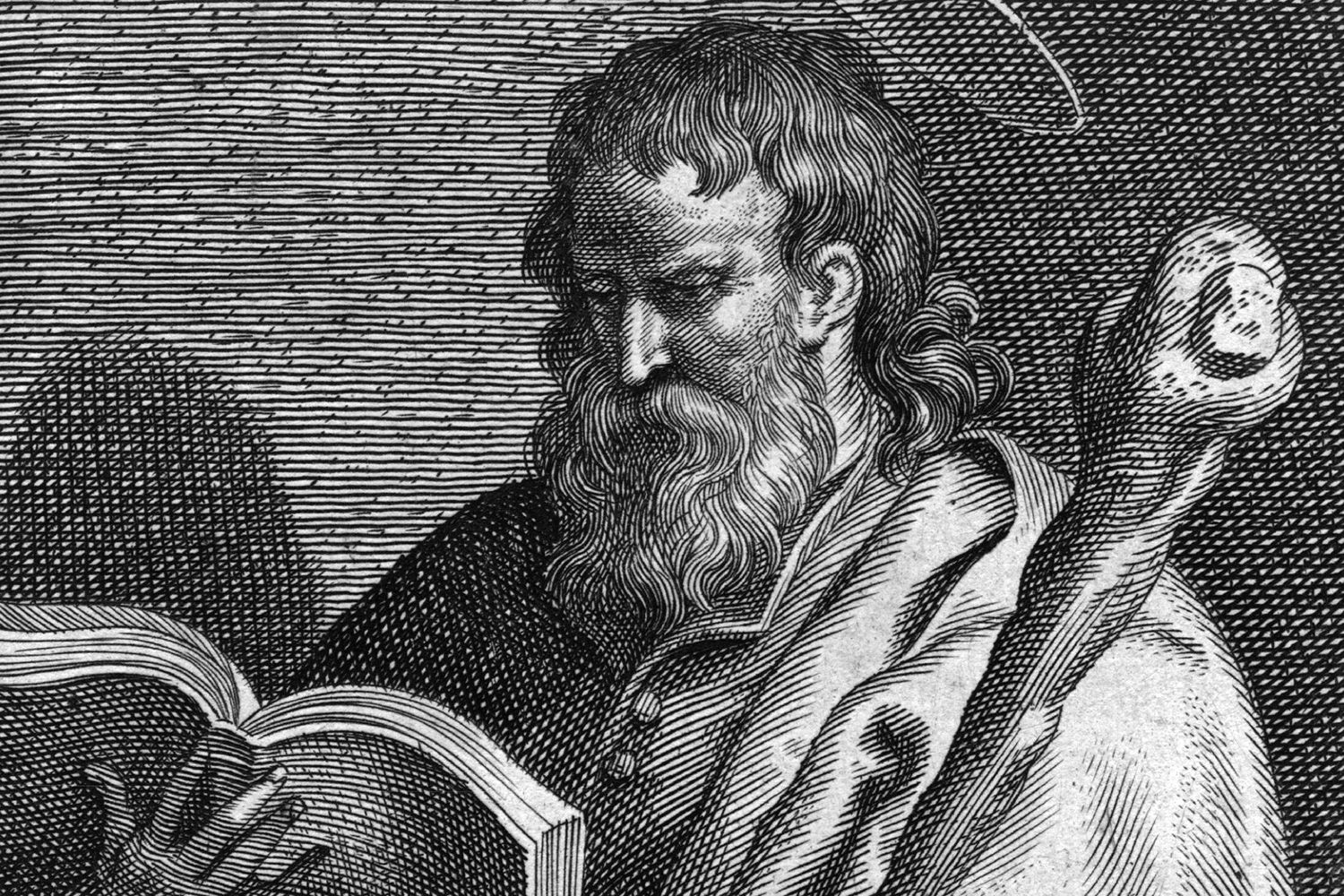
Symbols of Little James in Later Artworks
In ancient iconography James the younger is sometime depicted holding a fuller’s club.
Fulling wool is a step in woolen cloth making which involves the cleansing of raw wool to eliminate oils, such as lanolin, dirt, and other impurities, and to make the material shrink by friction and pressure. The work delivers a smooth, tightly finished material that is then woven into a fabric that is insulating and water repellent.