
WASHINGTON, D.C. — On December 22nd, 2025, President Donald J. Trump and Secretary of the Navy, John C. Phelan, alongside Secretary of War, Pete Hegseth, announced their intent to construct a new class of American-designed battleships that will be “the most lethal surface combatant ever constructed.” Peace through strength! Right?
The shy, retiring and ever modest Mr. Trump is calling these new ships Trump Class vessels. The first of these ships will be designated the USS Defiant (BBG-1). These vessels will be the centerpiece of his Golden Fleet.
Above, the US battleship “Mighty Mo,” the USS Missouri (BB-63), is pictured as it returned from action in the First Gulf War in 1991. Note that Trump’s “new battleship” is using the Navy’s traditional “BB” designation assigned to the giant classic big gun ships used in the first and second world wars. Battleships were the largest ships in those fleets because they had to support the enormous naval cannons they carried which were needed to get the longer ranges needed to outrange potential enemy battleships in naval combat.
Battleship? Battleships are Long Ago, Out of Date!
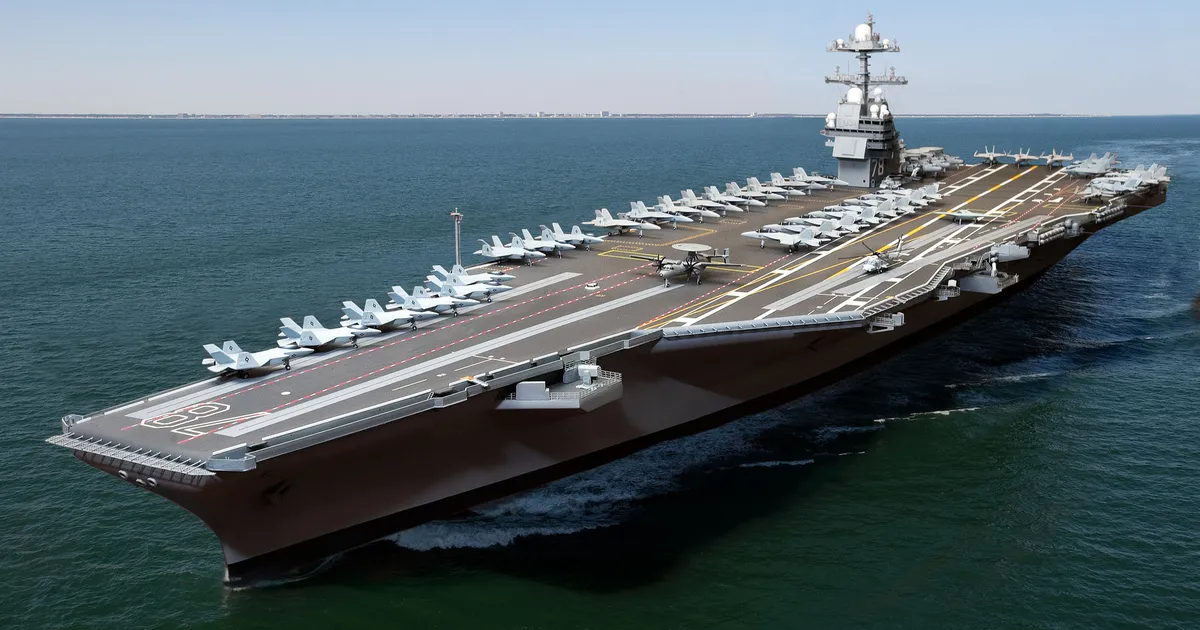
The naval historian readers will be quick to point out that big gun thinking is at least two generations of naval technology behind the times. The big gun advocates were shamed and ultimately sidelined by the increased combat range of naval aircraft carriers, which was clearly demonstrated in World War II. The planes of those carriers extended the effective combat range of naval fleets from the 20+ miles of the big guns to the hundreds of miles which can now be flown by naval aircraft. Of course these new naval behemoths are not secure unless they travel in a massive carrier task force. As of March 2023, there are 11 carrier strike groups in the U.S. Navy. The ships of these naval strike groups comprise most of the less than 300 odd ships actively deployed by the US Navy.
The next generation of naval technology was first the microchip guided smart bomb which was pioneer at the end of the Vietnam War. The smart bomb was quickly followed by microchip guided missile technology.
Today naval guns are mostly vestigial, except for their occasional usefulness for drug boat interdiction by the US Coast Guard.
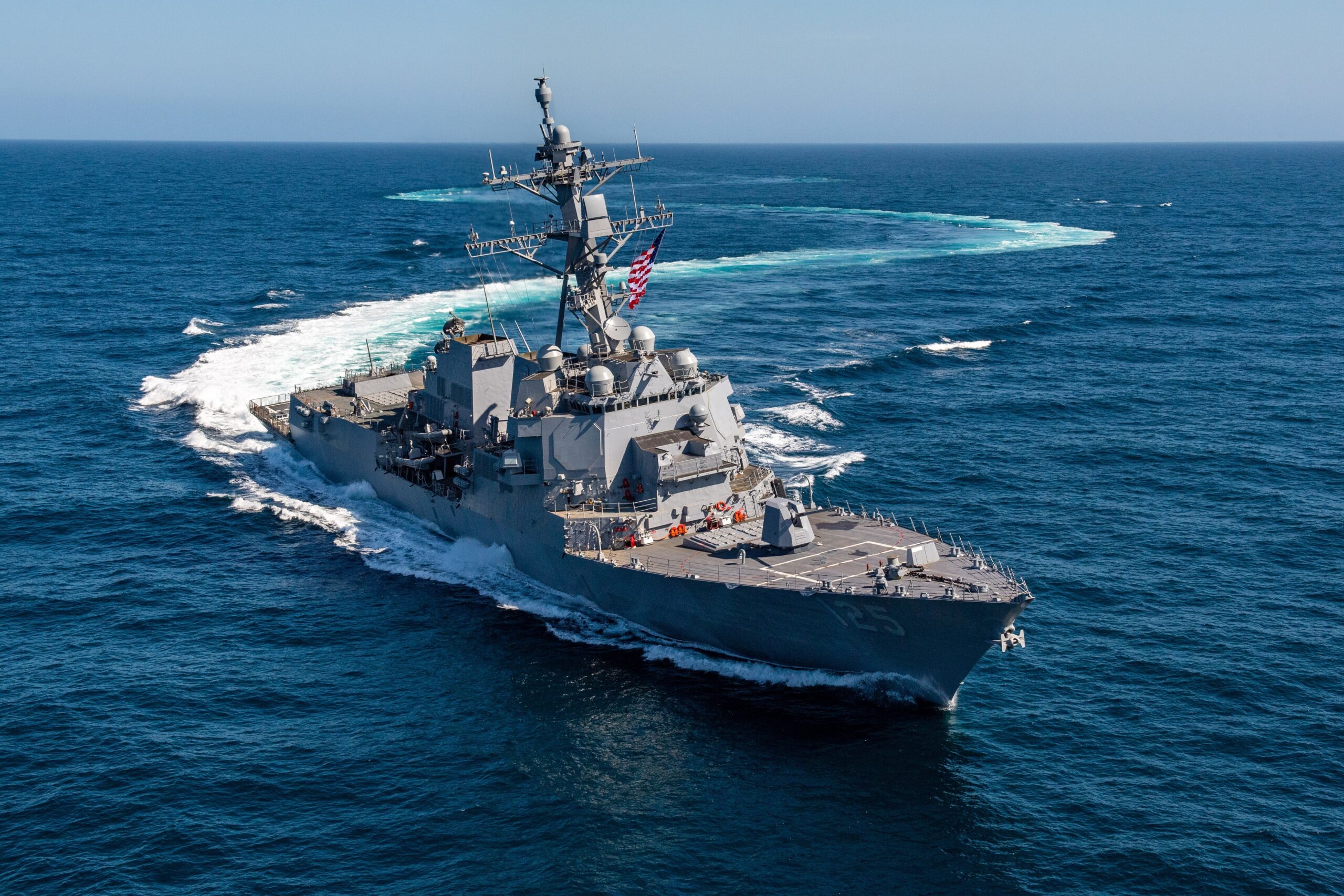
The fairly modern Arleigh Burke-Class Guided Missile Destroyer (DDGs), has roughly one hundred times the destructive power of one of those giant battleships from WW-II, and it is much cheaper to build and operate. It is also far more defensible in actual naval combat situations. While these Arleigh Burke-Class destroyers are still an indispensable component of the US Navy’s global projection of power, they are now more than 40 years old.
40 Years Old? OMG! Why Don’t We Update Them?
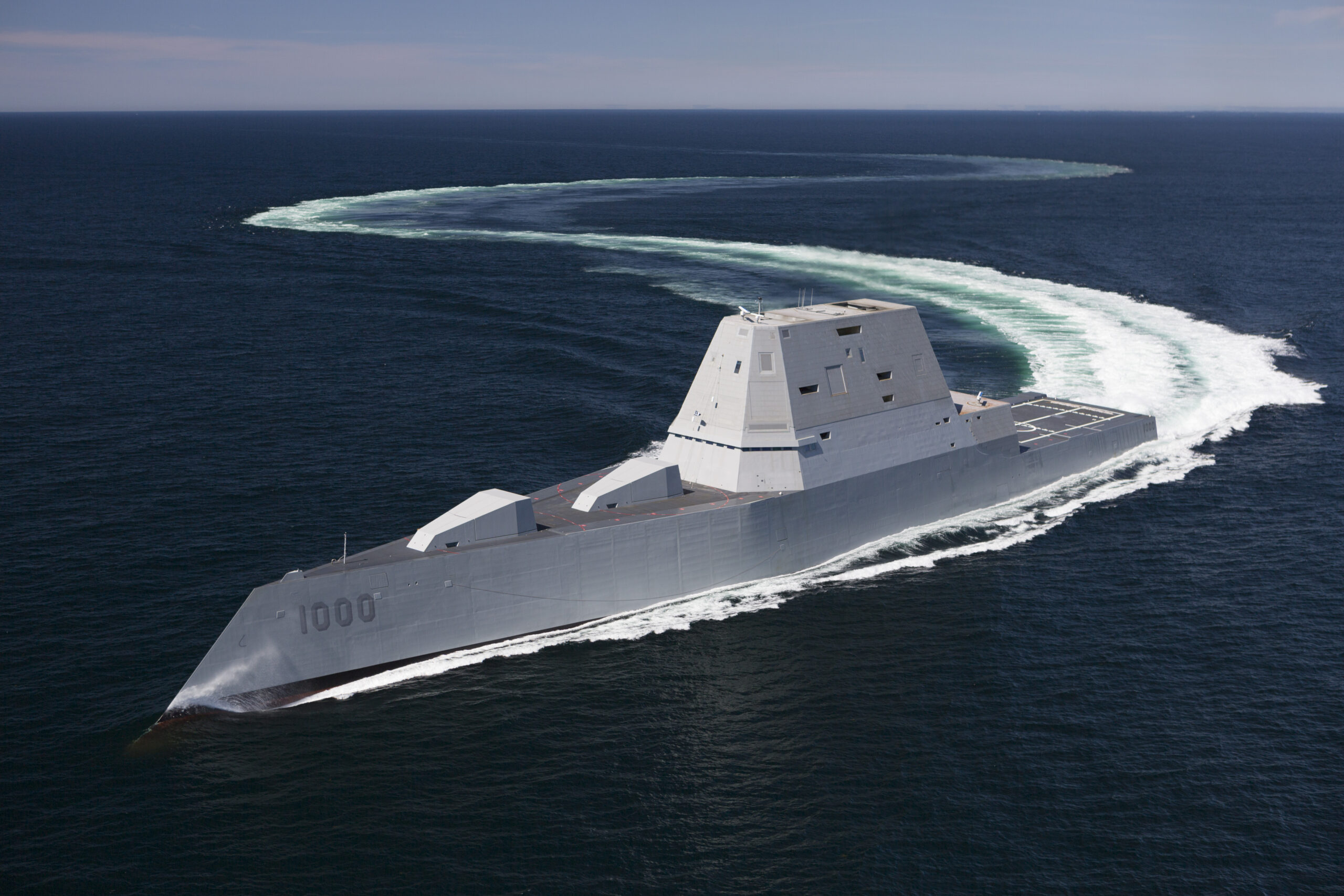
In the late 2010s we started a program to do just that. The result was the Zumwalt-Class Guided Missile Destroyers. However military budgets are highly political things, and Obama and his addelbrained puppet, Biden clearly didn’t really see the need. So far only three of the far more modern Zumwalt-Class guided missile destroyers have been built and deployed.
Carrier Strike Forces Are Increasingly Vulnerable to Attacks From Sophisticated Enemies.
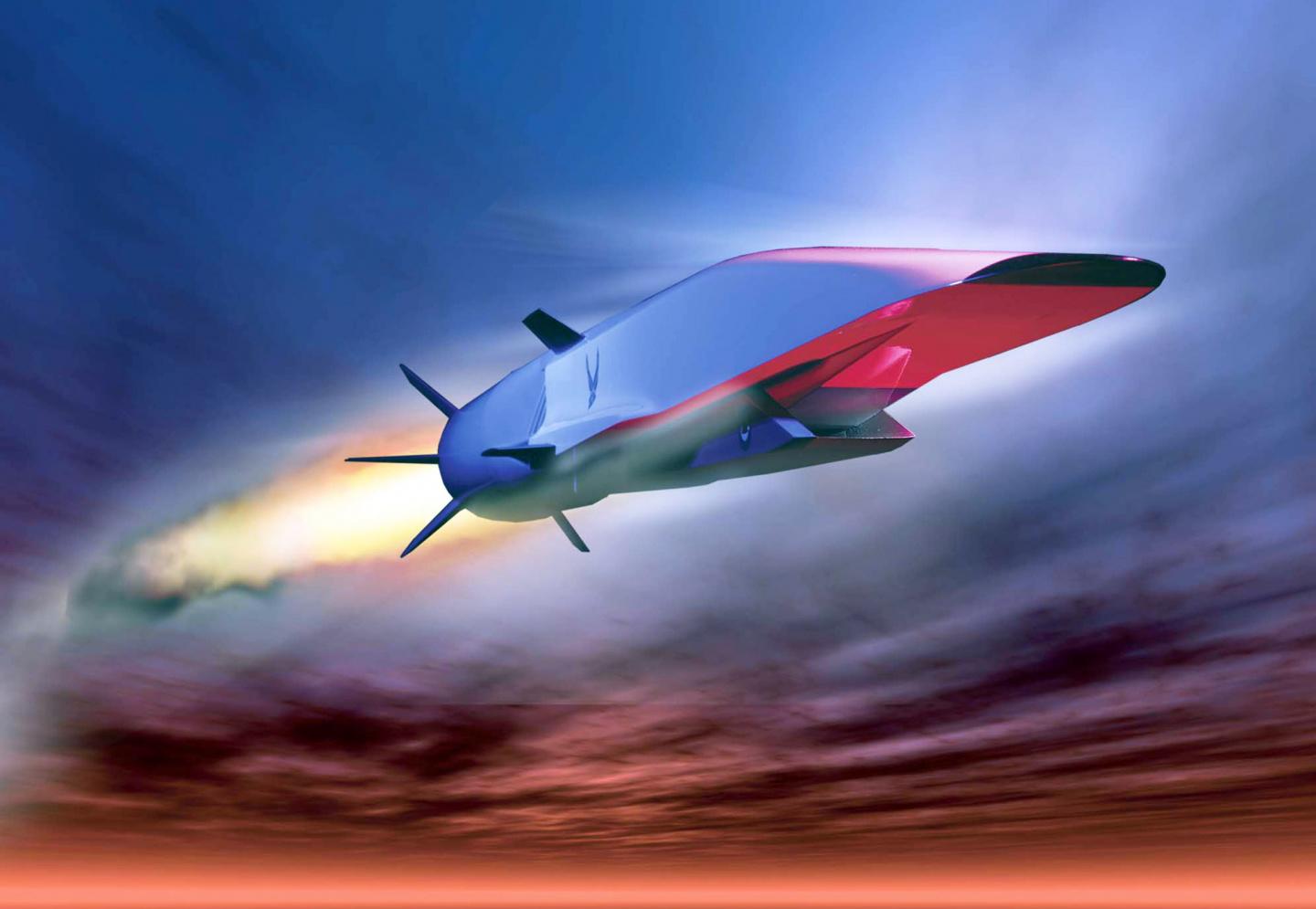
While the indispensable mobile runway of the aircraft Carrier Strike Groups is the true core of the projection of American’s global naval power, the truth is that these nuclear powered aircraft carries are very expensive: 13.3 billion dollars for the USS Ford pictured above. They have also become increasingly vulnerable to potential attack from sophisticated enemies like Communist China. They are becoming huge targets with enormous crews at risk from newer weapons like hypersonic cruise missiles (which can potentially travel at speeds between mach 5 and mach 25), from ground or air launched or orbiting, space launched hypersonic glide vehicles, or from supersonic drone attack aircraft and conventional ship attack cruise missiles.
Ultra-Silent, Sonar, Inaudible Communist Chinese Attack Subs:
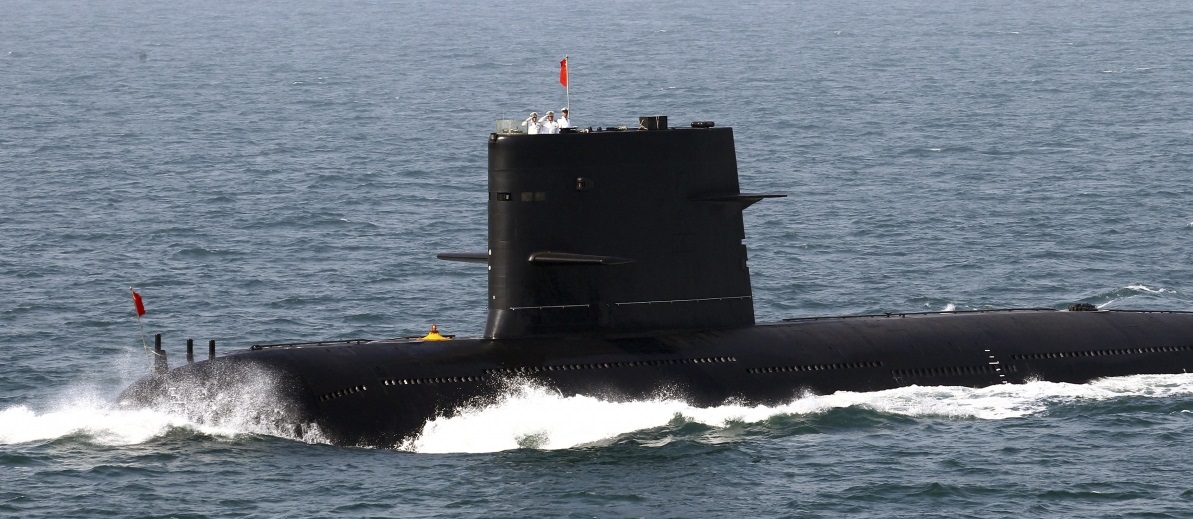
On 26th of October, 2006 a Communist Chinese Song-Class Type 039 attack submarine surfaced inside of a US carrier strike group fleet within five miles of the USS Kitty Hawk aircraft carrier in the open ocean of the South China Sea between Japan and Taiwan. The approach of the electrically powered ultra-stealth submarine had not been detected until it surfaced in the middle of the fleet. This feat clearly demonstrates the skills and abilities of the People’s Liberation Army’s Navy (PLAN), and the extreme vulnerability of US Carrier Strike Groups to such technology and seamanship. The Chinese officers on the top of the fin were wearing their dress uniforms and saluting the US Navy ships nearby. Clearly, Communist China wanted the US Navy to know what they were able to do without being detected!
Tomato – Tomahto, What’s the Difference?
When a navy guy says the word battleship a certain image comes into one’s mind. Those old big gun behemoths were not what Trump was talking about when he used the word “battleship.” In fact, the big gun battleships of yore have nothing to do with Mr. Trump’s or the US Navy’s clear-eyed assessment of their current needs for a new generation of naval of oceangoing surface vessels to police the world’s sea lanes, and to project American power wherever it is needed in the geopolitics of the moment in today’s fractured and broken world.
The days of big gun battleships and even of medium gun cruisers are long gone. Long range, large gun, naval artillery is now hopelessly obsolete as a means of projecting naval power.
More importantly in the 21st century, the satellite surveillance of the surface of the earth by the global great powers is now so comprehensive that the positions of all the capital ships on the earth is known essentially at all times. Cloud cover and rain squalls do not hide fleets from surveillance as it once did. This, of course, means that the knowledge of the target position of every large military ship afloat is a known at every moment in time. The large, expensive, capital gun ships of yore, are things of the past. Smaller, faster, technologically advanced and more lethal, surface ships and the increasing importance of advanced technology submarines are the order of the day.
In this sense the naval destroyer is the primary surface battleship of the present day. Cheaper and more numerous navies equipped with numerous destroyers, smaller escort destroyers, and fast frigates and corsairs will soon be the essence of a modern navy. This more numerous, smaller ship navy can also patrol and fight as disseminated individual units, rather than in large fleets of ships. Today a large fleet is only for show.
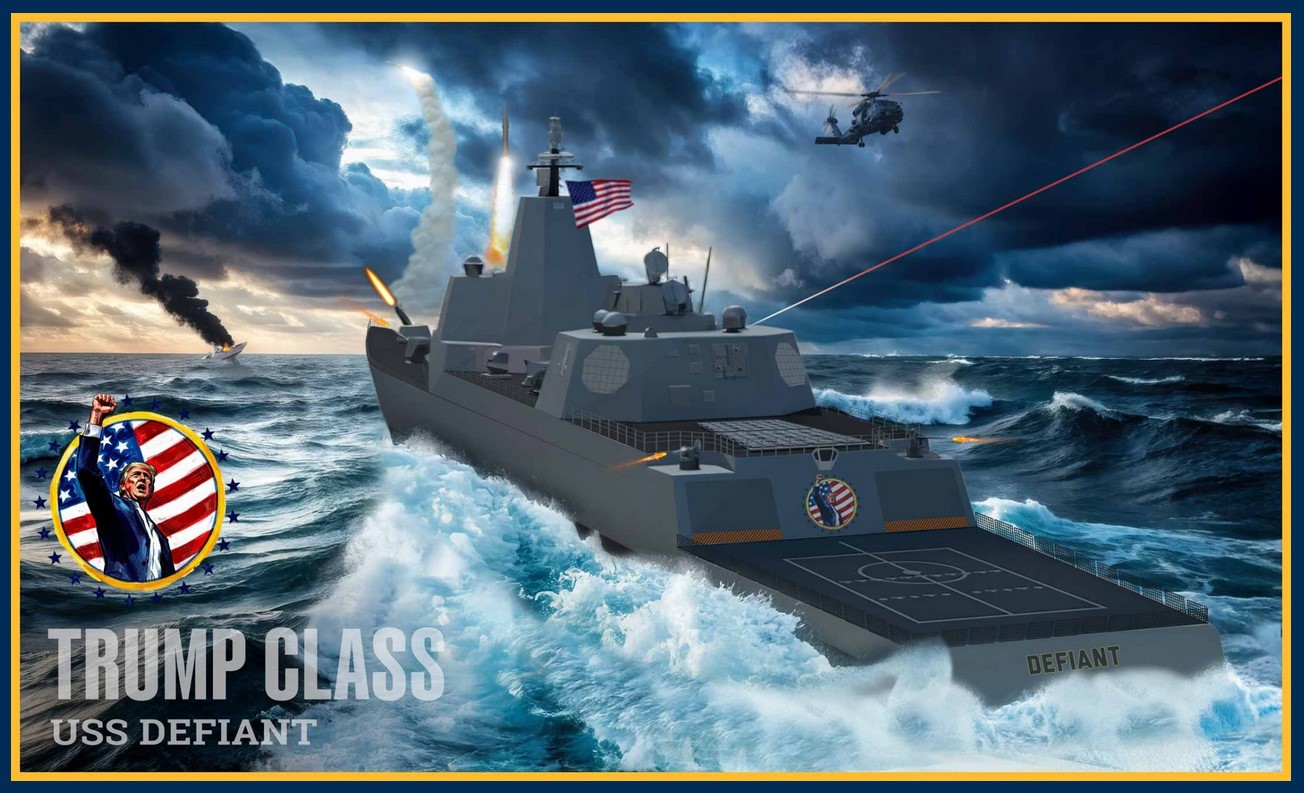
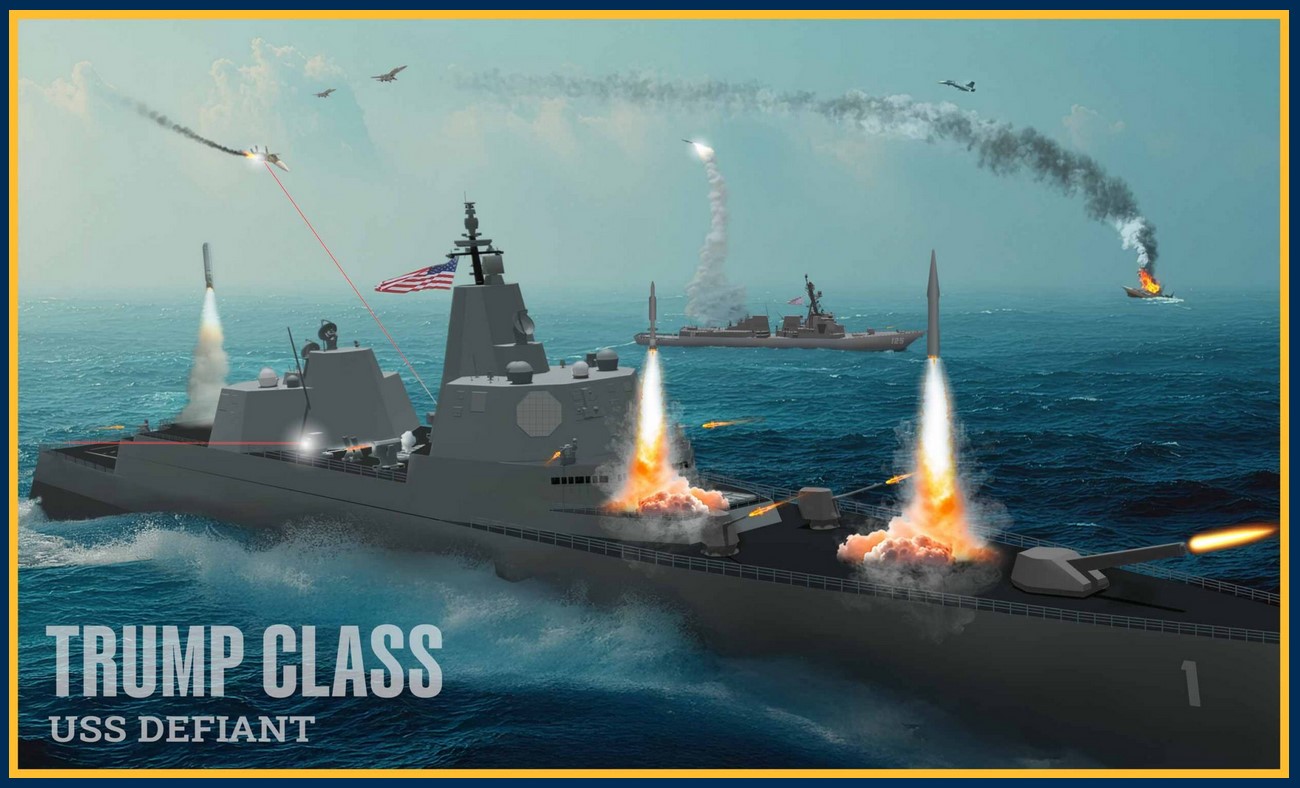
Trump’s New “Battleship” is actually a fleet of next generation naval destroyers, which will incorporate all of the modern technology which is appropriate for their widely varied mission roles.
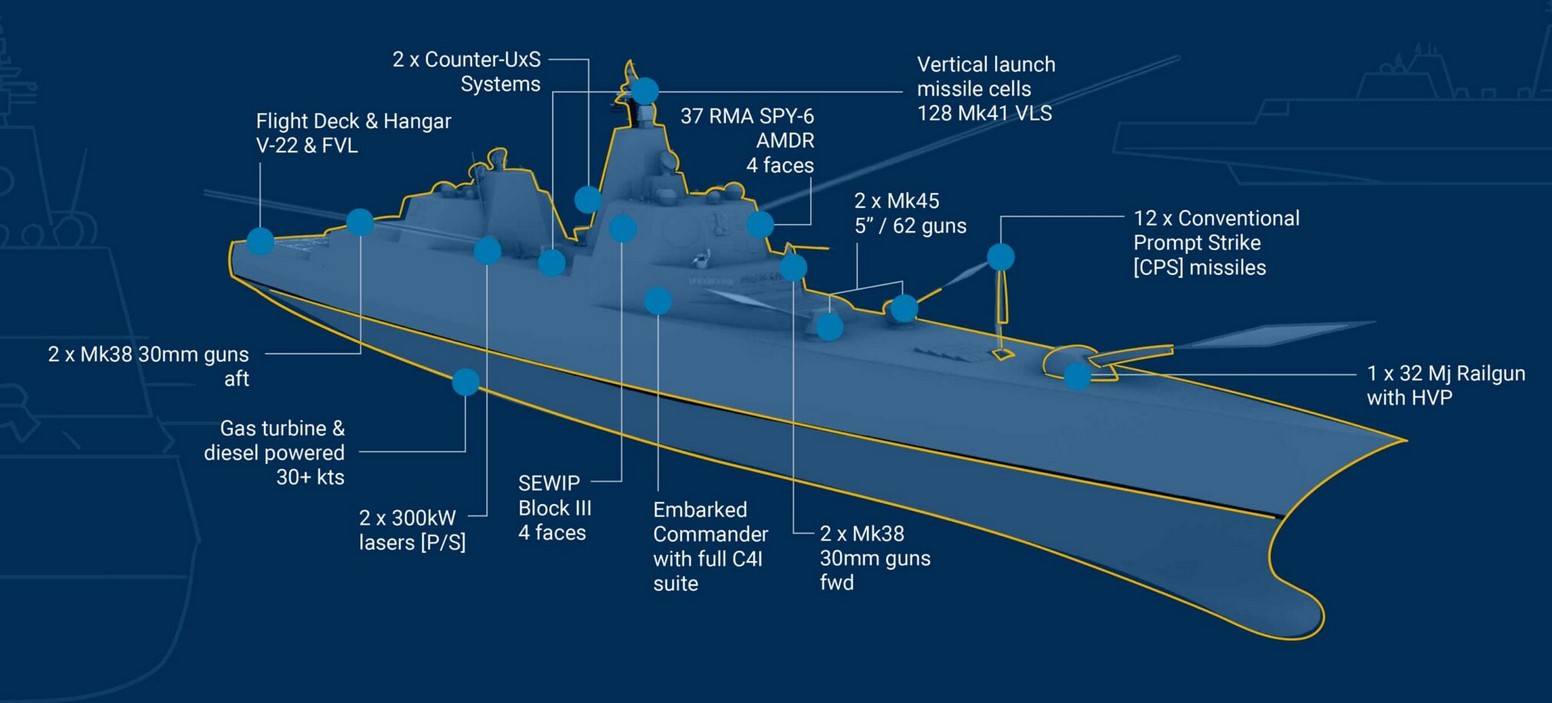
The New Trump “Battleship” is More Than A Guided Missile Launching Platform
For defense against airborne threats the new destroyers will be equipped with the phased array radar Air and Missile Defense Radar (AMDR) system, 37 RMA SPY-6 which uses four, fixed-antenna assemblies (faces) with each antenna having 37 radar modular assemblies (RMAs). This provides a 360-degree field-of-view around the ship.
The ship’s air and sea defenses also include the Counter-UxS System, to neutralize the effectiveness of unmanned airborne or surface weapon systems (ship attacking drone weapons).
For offensive power these ships will have 128 vertical launch systems (VLS missile tubes) which can house a wide array of missile types for self defense and for enemy attack purposes. In addition to its missiles, the ships will have a bow-mounted 32 megajoule (Mj) electro-magnetic “rail gun ” with a hyper-velocity projectile (HVP), which is a 21st century cannon with a reported range of up to 220 miles.
The new Trump-class destroyer will indeed have vastly more range and destructive power than the big gun battleships of yore, and it will be able to defend itself against modern drone weapons and hypersonic cruise missile threats as well.
Mahan’s Modern Incarnation in Trump
Alfred Thayer Mahan first published his influential tome The Influence of Sea Power on History, in 1890. That seminal book influenced then secretary of the navy Teddy Roosevelt. Later as the President of the United States, Teddy commissioned his Great White Fleet to circumnavigate the globe as a symbolic show of American naval power. Mr. Trump’s new “battleships” are the latest rendition of Mahan’s prescient assertions of the importance of a nation being able to project its naval power to the world.