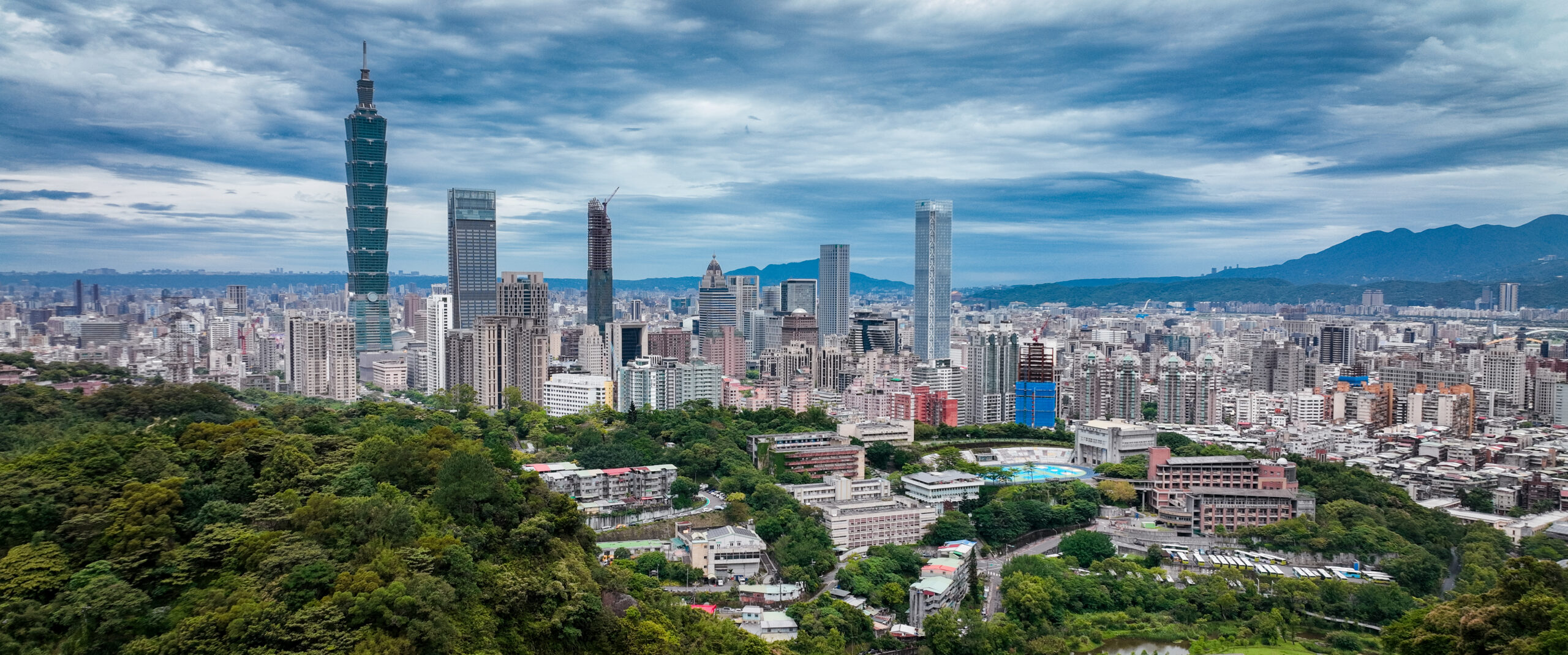
History of the Island of Taiwan
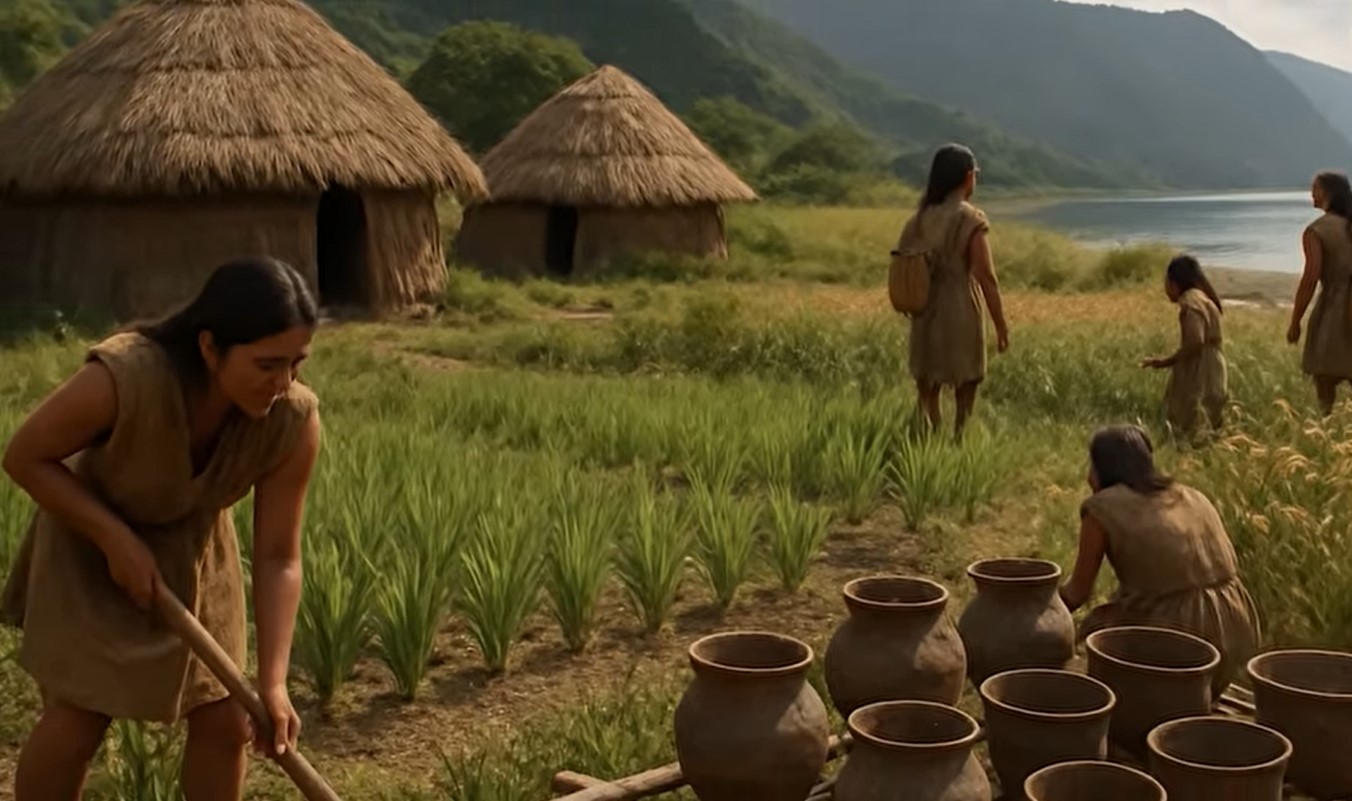
Taiwan has a rich history that dates back tens of thousands of years. It was originally inhabited by Taiwanese indigenous peoples. Anthropological study of the human remains suggests the indigenous people of Taiwan were Australo-Papuan people similar to Negrito populations in the Philippines.
The Dutch East India Company Colonized Taiwan
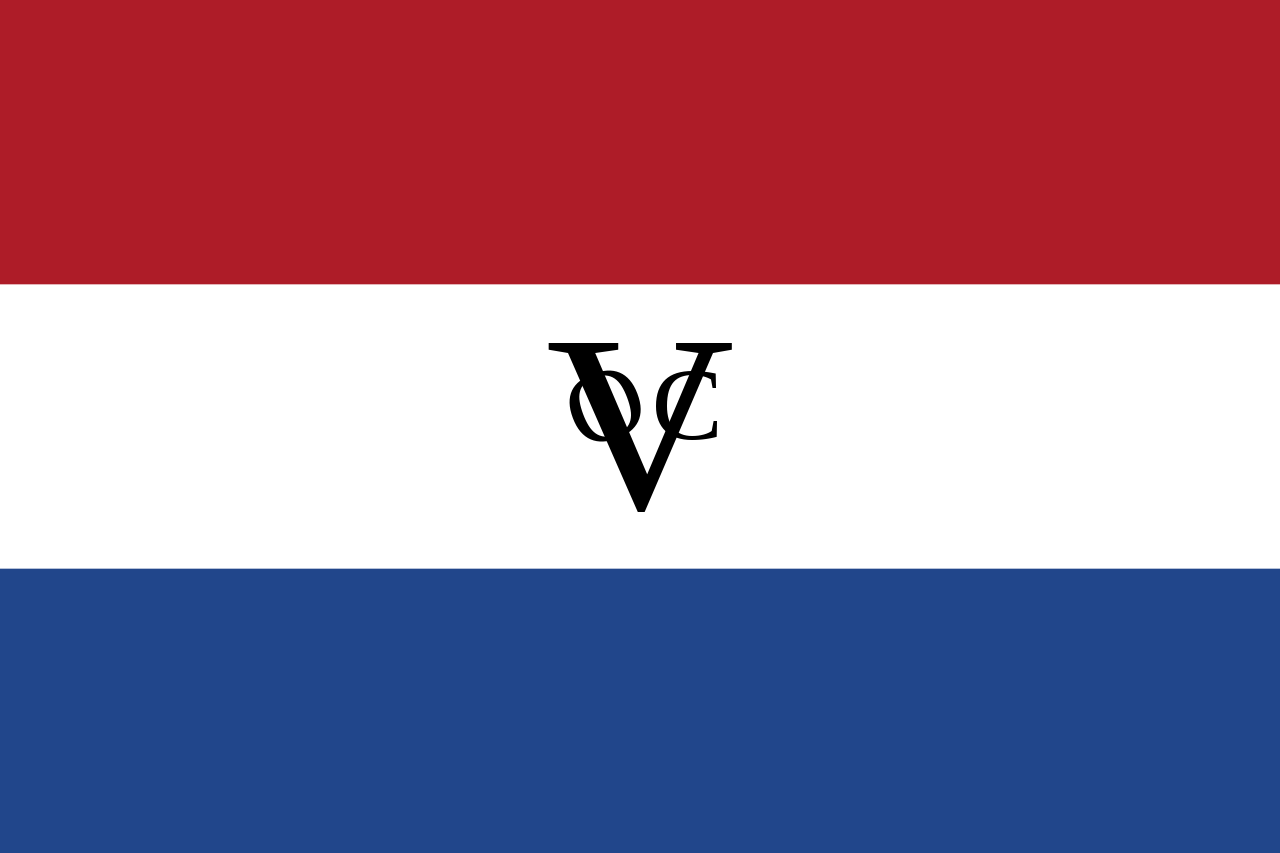
In 1624, the Dutch East India Company (VOC) established Fort Zeelandia on the coastal islet of Tayouan (adjacent to the modern city of Tainan, Taiwan). The Dutch named the island Formosa and declared it to be a Dutch colony. The lowland areas were occupied by 11 different tribes of Indigenous peoples and their chiefdoms, some of which fell under Dutch colonial control. Two years later, the Spanish Empire occupied northern Taiwan as a trading base, first at Keelung and in 1628 they built Fort Santo Domingo at Tamsui. The Dutch and Spanish fought over control of the island until 1642 when the Dutch prevailed and the Spanish surrendered and were driven away.
Then Imperial China Invaded and Colonized the Island of Taiwan
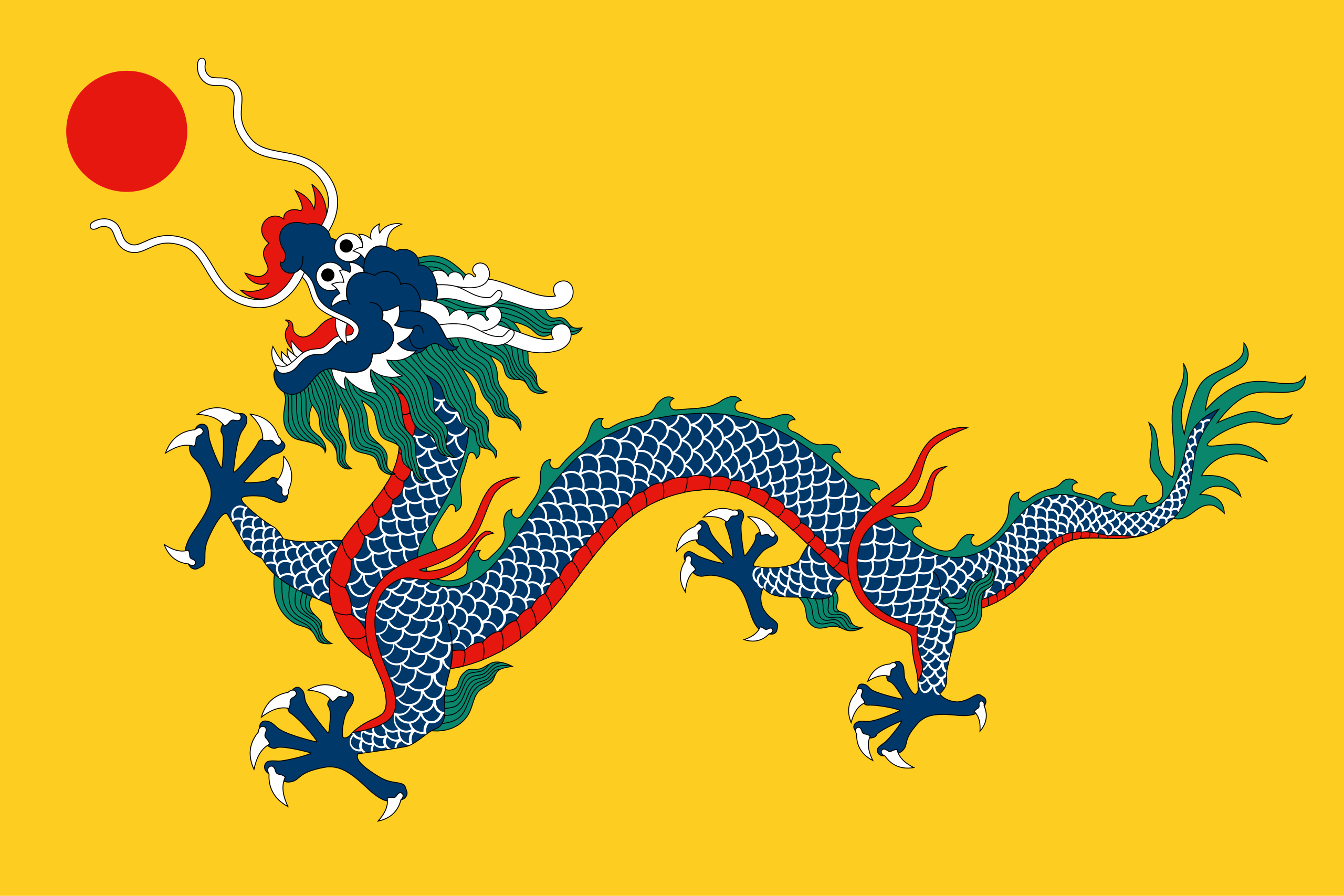
In 1683 an admiral of the Imperial Chinese Qing Dynasty, named Shi Lang invaded the island which had never previous been a Chinese territory. Shi Lang’s imperial army successfully seized the island from its Dutch colonizers and China claimed Taiwan as a colony.
During the roughly 200 year period of Imperial China’s occupation of Taiwan some 2.5 million, mostly Han, Chinese migrated to Taiwan and seized the arable lowlands from the Taiwan’s indigenous population. The Han Chinese drove the indigenous Taiwanese into the Taiwan highlands. The Chinese invaders then developed the lowlands into agricultural areas, growing mostly rice and sugar cane.
The Imperial Japanese Made Taiwan a Prize of the First Sino-Japanese War
In 1894 the Imperial Japanese fought the Imperial Qing Dynasty Chinese for control of the Korean peninsula and the Island of Taiwan in the First Sino-Japanese War. In 1895, after never winning a single battle, the Qing Dynasty sued for peace and conceded both territories to Japan.
The new Japanese overlords actively colonized Taiwan. They pushed Japanese language learning in grade schools and they forced Taiwanese adults to assimilate into Japanese cultural and religious rituals.
During World War II these Japanese masters conscripted most of the young Taiwanese males into Japanese military service. Many of Taiwan’s factories and port facilities were destroyed by allied bombing during the war.
The Fall of Imperial China and the Rise of the Nationalist Republic of China and of Sun Yat-sen
The Xinhai Revolution, also known as the 1911 Revolution, was the pivotal uprising in China that led to the fall of the Qing Dynasty and of the Empire of China. The death of the able empress dowager Cixi (from natural causes) in 1908 was the critical event that doomed Imperial China. Her successor, the child “emperor,” Puyi’s regents were utter incapable of ruling China. An armed rebellion broke out in Sichuan Province which was not suppressed. The success of the Sichuan revolt precipitated the Wuchang Uprising which was a mutiny of the Wuhan provincial troops garrisoned in Wuchang, on October 10th, 1911. The rebels took control of the province and declared provincial independence from imperial control. By the end of 1911, the presiding warlords of a total of fourteen Chinese provinces had followed suit.
In negotiations with the boy “emperor” and his regents, Puyi agreed to abdicated his throne and accepted China forming some form of a democratic republic as the new government of China. Yuan Shikai was originally tasked with organizing the new republican government.
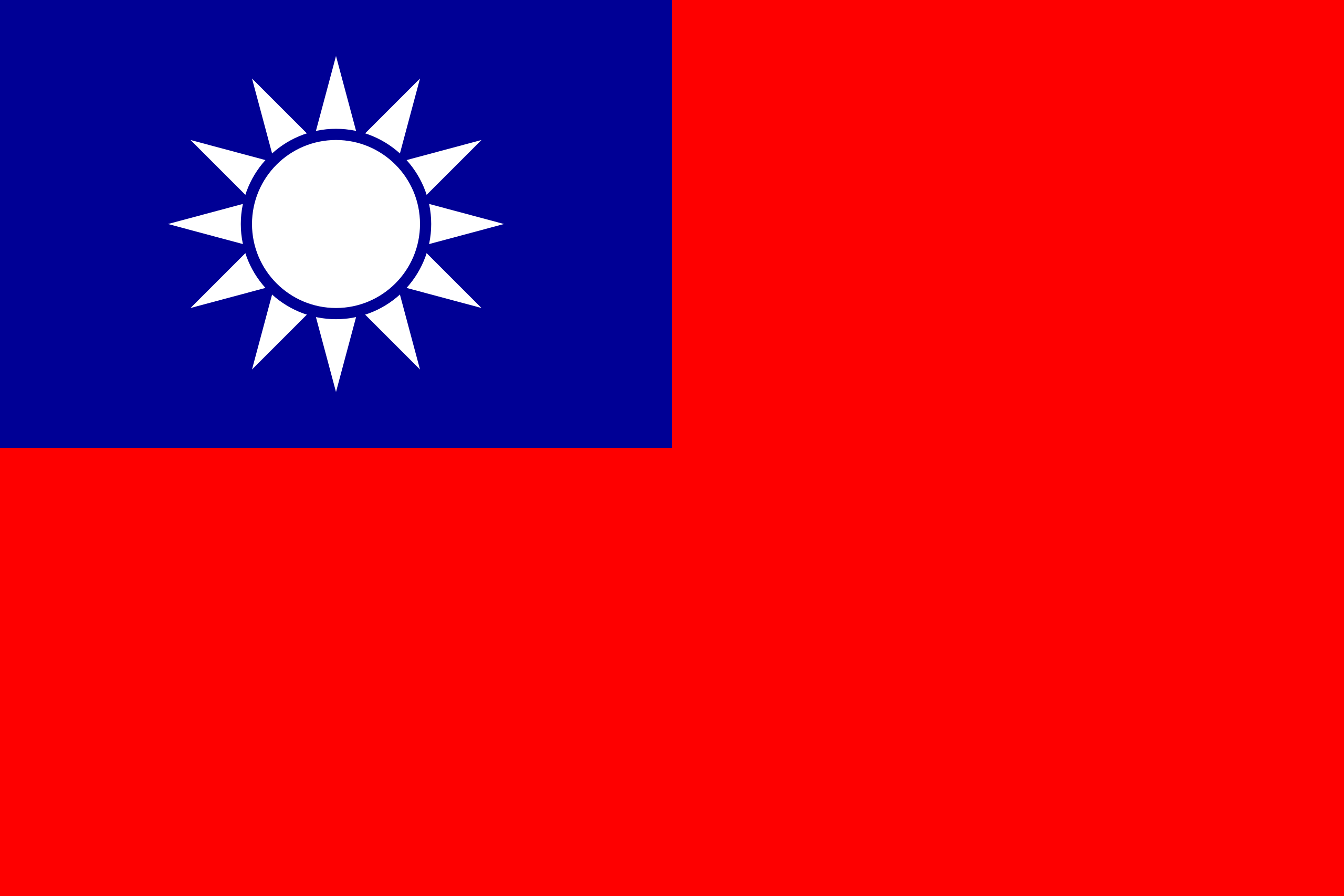
Suffice it to say that for the next 17 years, the history of the pseudo-democratic Provisional Government of the Republic of China was one long internecine struggle after another between various regional warlord factions of Nationalistic China. That struggle can easily be characterized as a long series of duplicitous Chinese warlord led coalitions, assassinations, betrayals, and one strange alliance after another until Shikai’s successor, Sun Yat-sen died (in 1925), and the Generalissimo, Chiang Kai-shek and his Kuomintang political party (the KMT) gained nominal control of this disparate group in 1928. The name Kuomintang literally translates as the National People’s Party.
Chiang Kai-shek Struggled to “Heard the Cats” of the Nationalist KMT Political Party’s Disparate Factions
By the time of Chiang Kai-shek took over the leadership of the Republic of China, in 1928, China was engaged in a Civil War between his KMT forces on one side and the Mao Zedong led Chinese Communist Party on the other. Though Chiang’s rule appeared stable superficially, the duplicitous warlord based internecine rivalry within the various factions of the Republic of China, made Chiang’s rule look like the hopeless struggle of one trying to heard cats. He was never able to unify his command even within the territories the KMT more or less controlled.
The Chinese Civil War Began in 1927
The Chinese Civil War between the disparate Chinese warlord factions of the Nationalist Chinese government coalition, led by Chiang Kai-shek and the Chinese Communist Party which enjoyed a unified control structure under Mao Zedong and mostly funded and supplied by the Soviet Union, raged from 1927 to 1949.
The Chinese Civil War did pause during World War II. However, It resumed with a vengeance soon after Japan’s surrender. Chiang Kai-shek’s Nationalist factions were ultimately defeated by Mao’s Communist Forces, and the Nationalist fled China into exile on the island of Taiwan. The war ended in 1949 with Mao and his fellow travelers in control of mainland China, and Chiang’s forces exiled on the independent island of Taiwan, which was renamed and became the Republic of China. Mao named China, the People’s Republic of China.
Taiwan is No More Rightfully Communist China’s Territory Than The Korean Peninsula Is
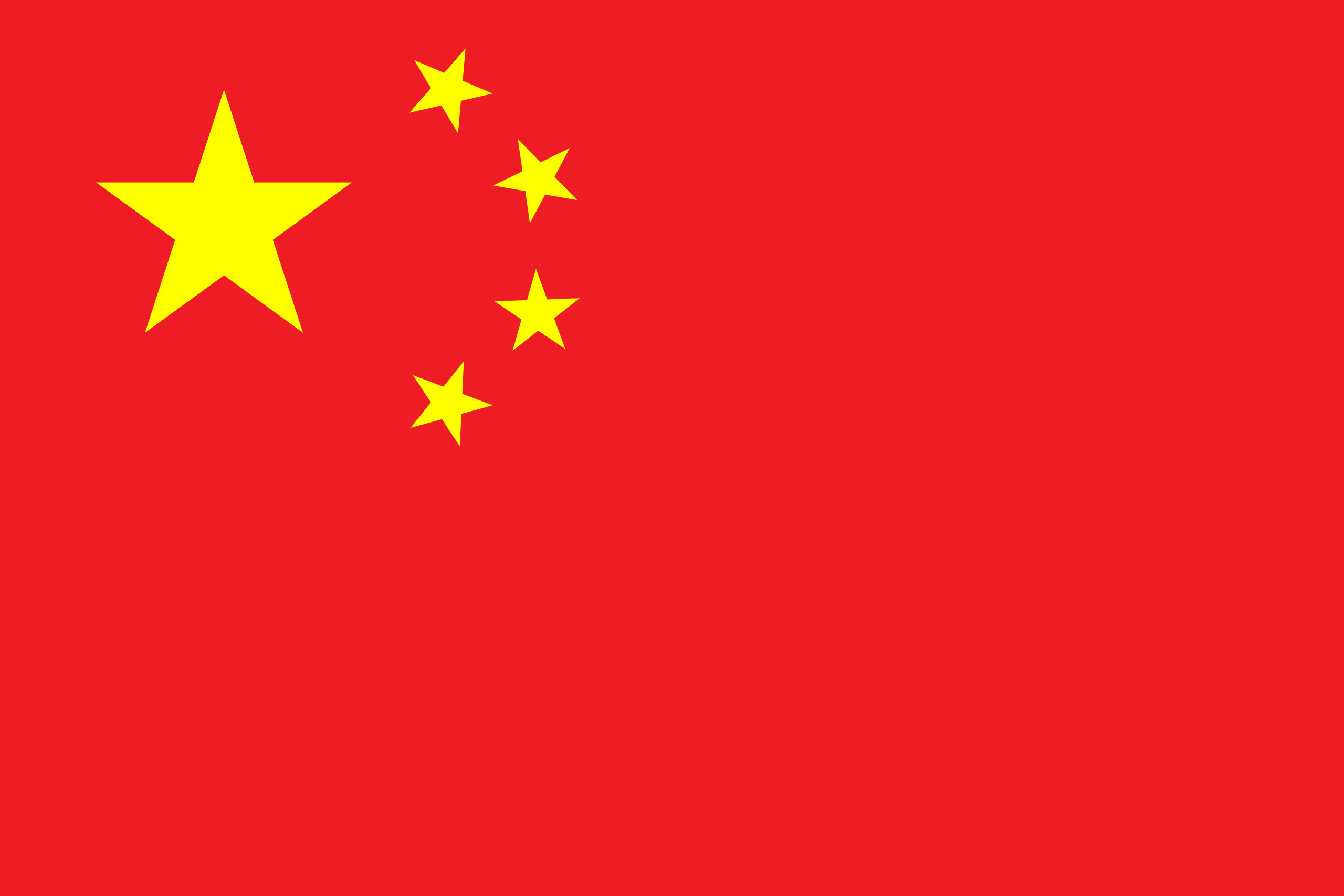
The current Communist Chinese leader, Xi Jinping’s thinly supported claim that Taiwan is rightfully a Chinese Communist territory is as bogus as a similar claim that Taiwan should rightly belong to Holland would be. China’s invasion of the Island of Taiwan in 1683 did not give China a legitimate claim to possess and rule the Island. Nonetheless at the end of World War II Taiwan was given to the successor to of Imperial China, the marshal Republic of China which was still engaged in it futile struggling to assert its authority over the people of China.
The Republic of China was a Founding Member of the United Nations
The United Nations was officially Formed on October 24th, 1945. The Republic of China was one of the founding members it was also given a seat on the UN Security Council. When the ROC lost the Chinese Civil War against Mao Zedong’s communist forces, in 1949, Mao declared the true “China” to be the People’s Republic of China. The remnant ROC’s position at the UN then became a sticky diplomatic problem for the UN administration.
When World War II Ended, Taiwan was Declared to Be Part of The Republic of China
World War II ended with the surrender and occupation of Japan on September the 2nd, 1945.
On October the 25th of that year the impoverished islands of Taiwan and Penghu were placed under the governance of the Republic of China (ROC) which as stated above had been established in 1912. That day is remembered on Taiwan as Retrocession Day. Ironically retrocession is the term used to describe a transfer of risk between two different insurance companies.
After 50 years of an oppressive occupation by the Empire of Japanese, the people of Taiwan initially received their new occupation by China with optimism and hope. The school system immediately shifted from teaching Japanese to teaching Mandarin Chinese.
After the Retrocession, the Taiwanese people soon began to experienced many new trials and tribulations. General Chen Yi was appointed as the new military governor of Taiwan, and the close of World War II signaled the resumption of the Chinese Civil War. Yi was tasked with exporting the scant physical resources of Taiwan to areas where Nationalist Chinese forces needed them more. After a decade of Japanese war mobilization the Taiwanese were again being subjected to the deprivations of a wartime economy. Their scant food stuffs were being gathered up and sent to Chiang Kai-shek’s troops fighting in China.
The Banking System in Nationalist Taiwan was State Owned
The Nationalist government took over the previous Japanese Colonial Bank and it became the state owner Bank of Taiwan (BoT), which was also the main Bank of Issue for the currency of the Republic of China (the Taiwan Nationalist Yuan). The BoT continued to issue the national currency until 1961. In 1961 the state controlled Central Bank of the Republic of China (or CBC) took over the issuance of Taiwan’s national currency.
Early on Systematic Corruption by KMT Leaders was Commonplace
Signs of exploitation and official corruption were visible everywhere. The government agents were clearly more interested in enriching themselves than providing for the needs of the Taiwanese population. Meanwhile inflation of the mandatory Nationalist Chinese currency was rising out of control.
The Taiwanese who had lived under Japanese rule for the last half of a century found their new Chinese overlords strange, and the mainland rulers viewed the Taiwanese with suspicion. Resentment and distrust grew rapidly on both sides.
The Atrocious and Murderous February 28th Incident – “228“
On the evening of February the 27th, 1947 a group of government agents in Taipei confronted and widow who supported herself by selling contraband cigarettes. When she resisted them seizing her merchandise, the agents physically assaulted her. The watching crowd became agitated and threatened the agents. The agents responded by firing their pistols into the crowd of rescuers. One bystander was struck and killed.
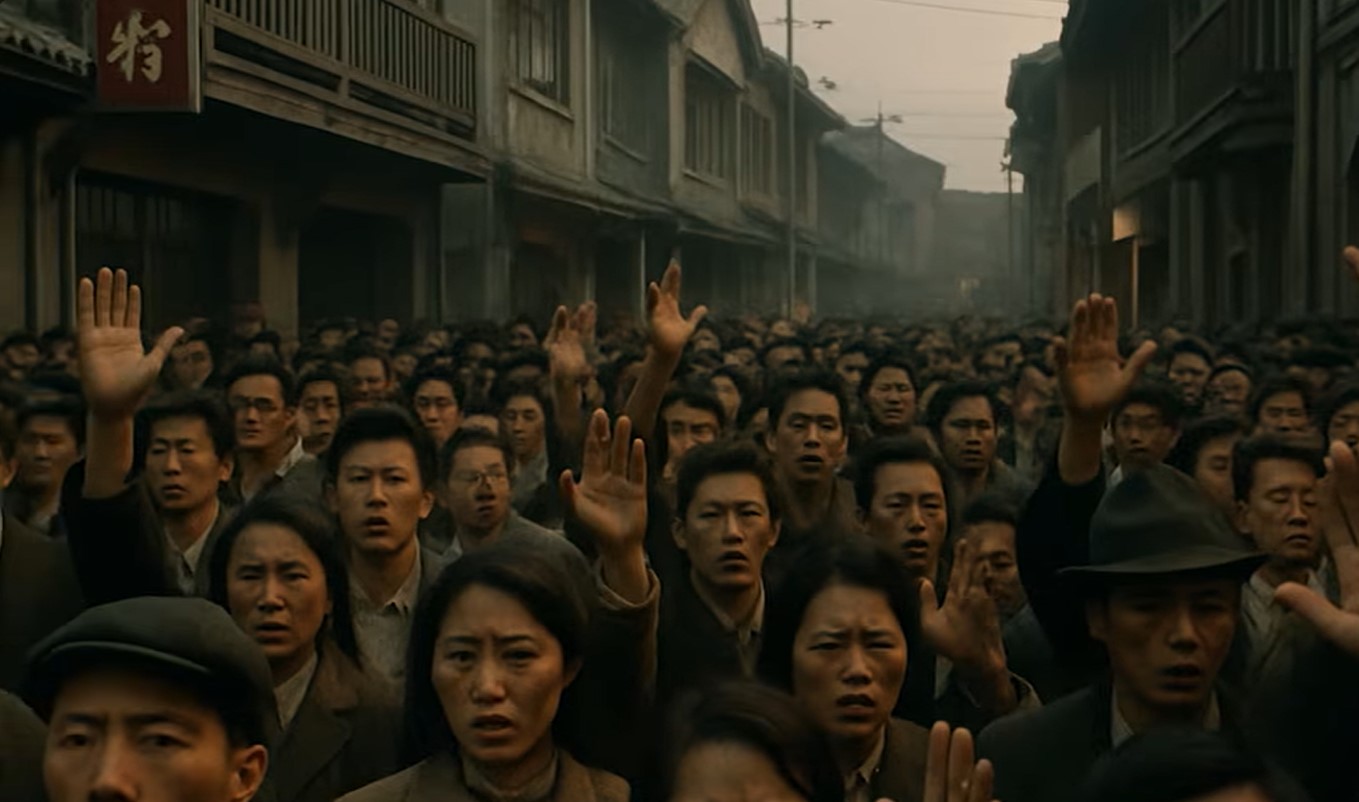
News of this incident spread quickly throughout the city and by the following morning demonstrators filled the streets, demanding justice for the woman, and accountability from the authorities.
What began as anger over a single act of brutality soon escalated into an island wide uprising driven by long standing and generalized resentment toward the new authoritarian regime. In Taipei and other cities protestors took over government buildings. They broadcast their grievances over local radio stations, and called for reforms.
For a brief moment, it appeared that the Taiwanese people had created a constructive dialogue with the KMT administration.
The White Terror – The KMT Became a Harshly Repressive Dictatorship
This fragile “opening” closed quickly when military reinforcements arrived from the mainland. The troops had orders to crush the protests completely. Soldiers moved through towns and cities executing suspected leaders without trails, and arresting thousands of others. Entire neighborhoods saw men dragged from their homes.
Estimates of the final death tolls vary widely, but thousands were killed by the government authorities within weeks. Martial law was imposed on all of Taiwan. The KMT leaders established a deeply repressive authoritarian dictatorship in Taiwan.
In the years that followed this incident, the KMT’s administrative distrust of the Taiwanese deepen into systematic repression. The martial law was initially justified as a measure against communist infiltration, but it quickly expanded into a broad campaign that targeted political dissent of every form.
The KMT Rulers Made Taiwan into a Surveillance Police State
Free speech was curtailed, publications were censored, and discussions of government misconduct became too dangerous to engage in. This environment shaped Taiwan’s political culture for decades. These oppressive measures created a deep divide between the Taiwanese people and their mainland Chinese overlords.
This period of martial law was not lifted in Taiwan until 1987. The Island of Taiwan endured the longest period of martial law anywhere in the world (excluding the de facto continuous period of martial law throughout the entire soviet era in Russia).
When Chiang Kai-shek and the KMT Lost the Civil War, they Retreated to Taiwan
When Chiang Kai-shek and the KMT lost the Chinese Civil War, in 1949, roughly 1.2 million mainland Chinese Nationalists evacuated mainland China and fled to the Island of Taiwan. This sudden migration did not just involve soldiers. It included government officials, bureaucrats, artisans, Nationalist collaborators, and their entire families who were fleeing the inevitably oppression and persecution which Mao Zedong’s Communist victory would mean for them if they had stayed behind in mainland China.
The huge and sudden new influx of refugee Chinese foreigners speaking different dialects of Chinese and carrying themselves as if they were the rightful rulers of Taiwan further chafed the Taiwanese people. The KMT government’s suspicion and oppression of the Taiwanese people worsened even further. The new arrivals took most of the top government position and local Taiwanese were often shut out of powerful administrative positions entirely.
Housing shortages were severe. Competition for food and other resources, and cultural clashes made the integration and assimilation problem of Taiwan’s “new guests” even more severe, and it caused deep resentment on the part of the Taiwanese people.
The Worsening Cold War and the Korea War Brought Western Intervention and Western Military Assistance to Taiwan
Taiwan became a globally strategic island, making it a front line outpost for the western interests in East Asia. The American Navy routinely cruised the Taiwan Straight signaling the Communist Chinese military that any attempt to invade Taiwan would be vigorously resisted.
The US-Taiwanese alliance was formalized in 1954 with the signing of the Sino-American Mutual Defense Treaty. US military advisors and equipment began arriving in Taiwan in mass. While American support provided Taiwan with security from external threats, it also ignored Taiwan’s martial law and it passively supported Taiwan’s domestic authoritarianism. Political opposition to Chiang Kai-shek’s one party state remained tightly repressed. Nonetheless, internationally Chiang promoted Taiwan as “free China,” and contrasted it with Red China across the straight.
Chiang and his KMT Administrators Slowly Began to Adopt Friedrich List’s Economic Development System for Taiwan
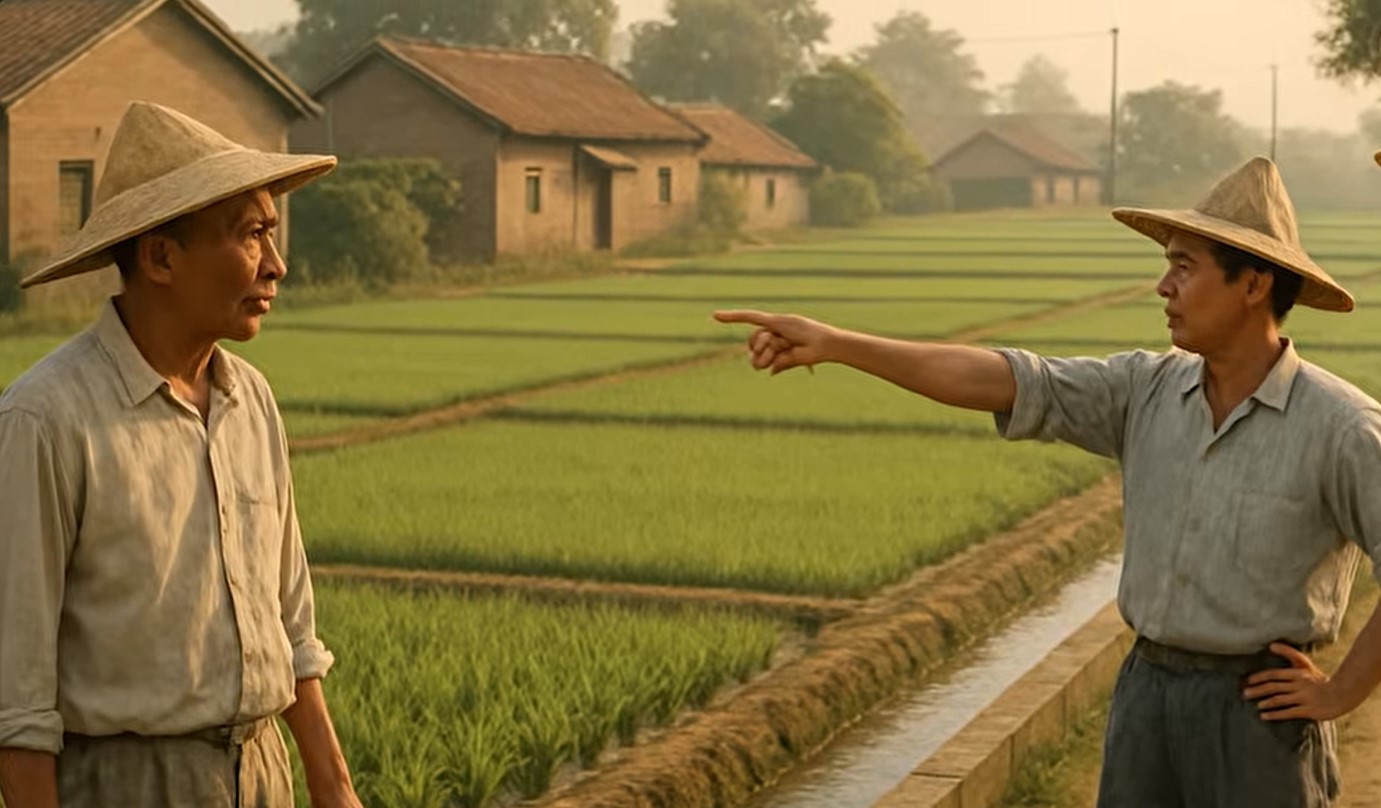
Prudently, Taiwan started with a Land Reform Program which broke up large estates and distributed arable farm land into the hands of small farmers. Crop yields increase immediately, benefiting and stabilizing rural society. The surplus produce was sold internationally creating hard cash income for which Taiwan could use for its economic development.
In the early 1960s, Taiwan began to shift away from just being an agrarian society with modest import substitution industries producing limited amounts of export products like cheap clothing. The government began focusing on modernization and infrastructure development, such as electrical power plants, irrigation projects, and improved transportation networks. These measures provided a base for the island’s further economic development. The national education system was expanded even within the constraints of a tightly controlled political system. Increased university enrollments, and technical training programs were fostered. The state owned national banking industry began offering promising entrepreneurs government subsidized low interest rate loans to develop export industries.
In fits and starts, Taiwan was becoming an emerging industrial hub. The government supported light industry development such as textile manufacturing and producing machinery specifically for exportation. Plastic production and the petrochemical industry became another area of Taiwanese expertise and expansion. Taiwan found that international markets were hungry for affordable goods they could produce.
As foreign demand for Taiwan’s products increased, so did the job opportunities and the wages paid to Taiwan’s workers. Taiwan’s rural populations began to migrate to the cities to avail themselves of the new industrial job opportunities available there.
Taiwan Shouldered the Shame of Being Expelled From the United Nations
In 1971 Taiwan was expelled from the United Nations. The UN’s administration strongly wanted mainland China to have a seat at the table. Mao and the Communist Chinese Party refused to allow the UN to recognized “both Chinas” in anyway, so when push came to shove, Taiwan was expelled from the UN. Many nations then withdrew diplomatic relations from Taipei. Taipei wisely understood the Taiwan’s commercial relations with those same countries was a way Taiwan could maintain communications with them, through multiple commercial back doors and informal channels.
The Goose that Laid the Golden Egg for Taiwan was Electronics
During the 1970s Taiwan’s industrial base expanded further. Numerous entrepreneurs initially set up final assembly lines for electronic devices. Soon they were making individual components. A nascent semiconductor industry was fostered. Taiwan made radios, televisions and other electronic components which quickly became part of the growing global supply chain.
Taiwan’s high quality electronic manufacturing endeavors attracted foreign investment into Taiwan’s industrial system, which was providing a needed less-costly service to the fast growing markets in the United States, Japan, and Western Europe. Global demand for electronics was accelerating. This was not only helping Taiwan internationally.

The general living conditions and prosperity of average Taiwanese workers and their families was improving rapidly. The rapid rise in urbanization was associated with a rapid rise in Taiwan’s middle classes. All of this was occurring while Taiwan’s political system was still an oppressive, authoritarian dictatorship.
Taiwan also stayed focused on continuing to improve the technical skills of its population.
Taiwan Forms Special Industrial Zones
The Taiwanese government then declared several Special Industrial Zones. These sites had robust infrastructure, open land for industrial expansion, and active assistance from university professors, and from the Industrial Technology Research Institute.
One of the most famous of these sites is the Hsinchu Science Park, founded in 1980, which brought together academic scientists, government planners and private industry to coordinate advanced economic development programs. These special industrial zones created the foundation for Taiwan’s emergence as a world technology leader. Semiconductor production, computer components, and information technology firms gradually clustered there. This became one of the world’s most important center for high tech development. The park was a deliberate state strategy to allow Taiwan to leap from an economy based on exports of low cost goods to one competing on innovation and advanced manufacturing.

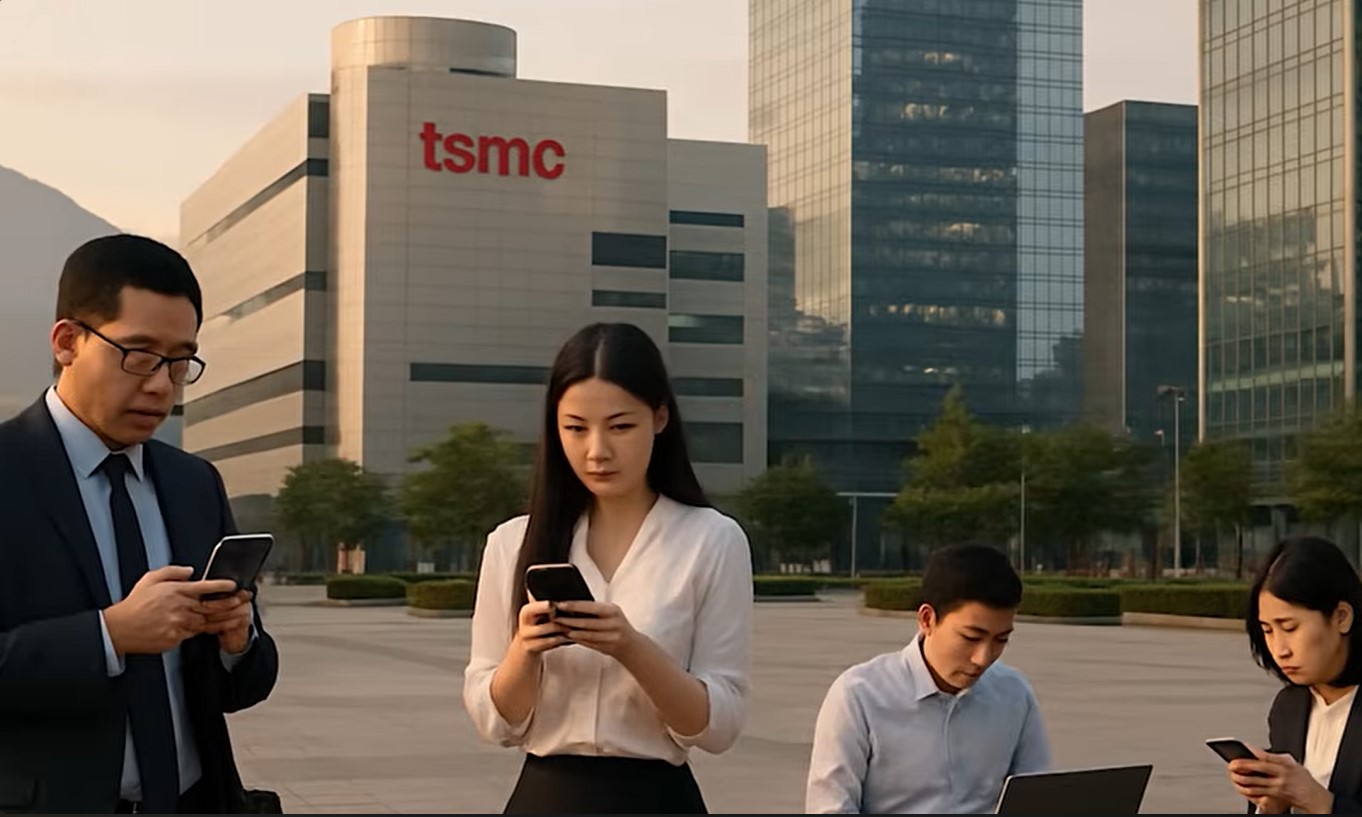
The seminal Taiwan Semiconductor Manufacturing Company (TSMC) was started in 1986. this chip designer and manufacturer grew to become a chip supplier to every major electronics brand in the world. TSMC’s chips are the core processors in smart phones, automobiles control systems, computers. More recently TSMC has become the key global manufacturer of the most advanced modern ultra high performance chips for operating artificial intelligence algorithms.
Taiwan’s Economy Had Become One of the “Four Asian Tigers”
By the mid 1980s, Taiwan’s economic performance was akin to that of Hong Kong, Singapore, and South Korea. Together these nations became known as the Four Asian Tigers. Taiwan’s development program had been based on the impact of calculated reforms and global integration.
The transformation of Taiwan opened possibilities for the Taiwanese people that had previously been unimaginable. The harsh political limits imposed on the common people did not limit the upward mobility they experience economically.
At Long Last Taiwan’s Brutal Open Party Dictatorship and Martial Law Soften
In 1987 Taiwan crossed an invisible line that had shaped every aspect of its society for nearly 40 years. Martial law was finally lifted on orders from President Chiang Ching-kuo. For the Taiwanese people the lifting of martial law ended a climate of constant surveillance and opened the door to an unfamiliar political landscape. One where opposition to government policies could be openly expressed and discussed publicly.
A second political party called the Democratic Progressive Party or DPP, soon surfaced. It was the first organized political alternative to Kuomintang’s absolute control of power. The changes went far beyond political parties.
Restrictions on assembly, speech, and the press were loosened almost over night. Student activist began to organize political demonstrations without fear that the military would shut them down. Religious and cultural groups, some of which had been monitored for decades now revived rituals and traditions that had been muted by one party rule.
Public debate shifted quickly from whispers in private homes to loud conversations in open forums. Labor organization, long stifled under an economic system design for stability above all else, began agitating for better wages and improved workplace conditions. Boundaries which had been untouched for decades were crossed with impunity. The Taiwanese people breathed a collective sigh of relief.
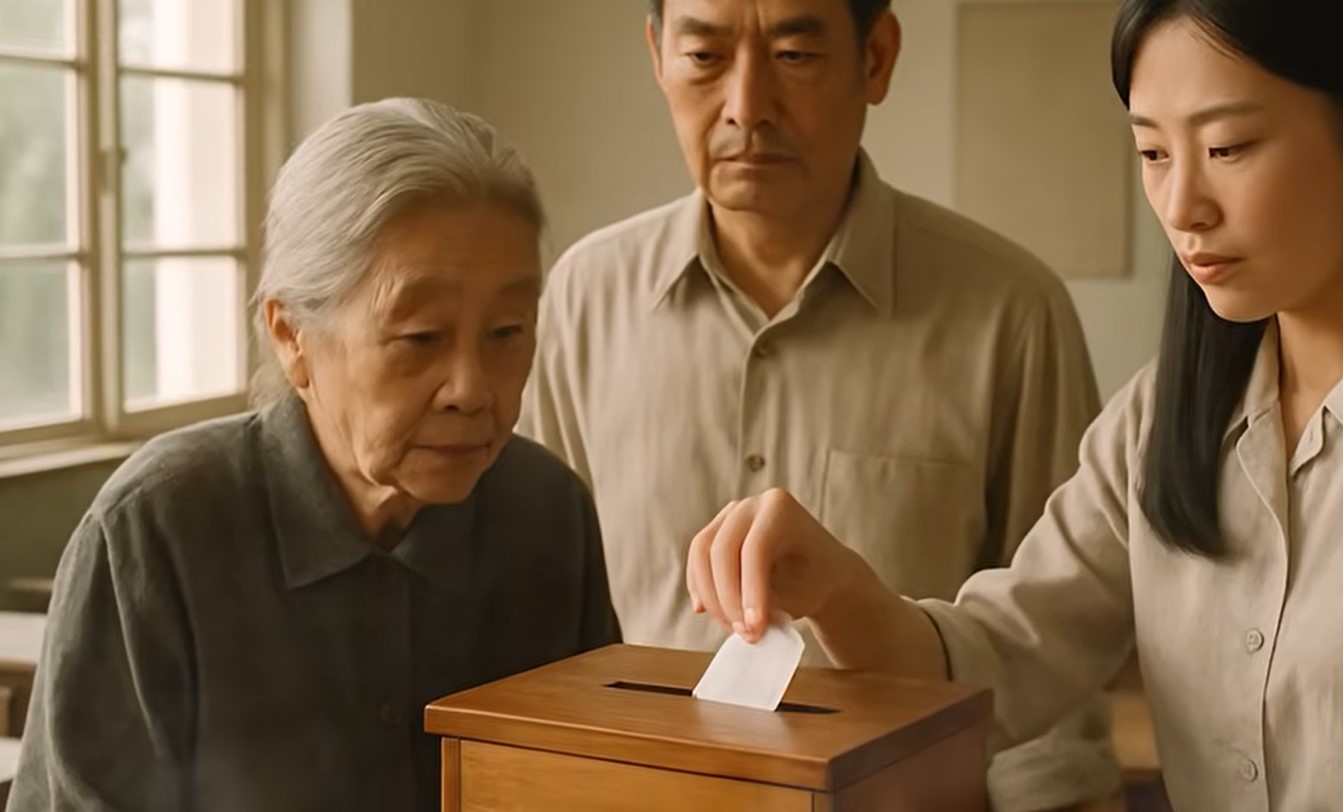
In 1996 Taiwan reached its next national milestone, the direct election of Taiwan’s president. The incumbent president, Lee Teng-hui stood at the center of this change and he is often referred to as the father of Taiwan’s democracy. He was the first president chosen by the people in the history of Taiwan. This was a decisive beak from authoritarianism.
In 2000 the opposition political party, the Democratic Progressive Party candidate won the presidential election against the candidate running for the KMT. The subsequent peaceful transfer of power from the long entrenched KMT to the DPP was proof that the nation of Taiwan had in fact become a true democracy.
Conclusions
Taiwan’s “Asian Tiger” economic miracle did not have anything to do with the typical western love of the ancient Greek city-state ideal of democracy. Nor did it happen because the people of Taiwan embraced the American constitutional ideals of personal freedom or individual liberty. Those things only came to Taiwan long after it had paid the blood, sweat and tears of developing its national economy, mostly on its own.
American constitutional republican democracy and its Western imitators is not the only road to a happy and functional society. Our national emphasis on individual freedoms and personal liberty has been a precious asset to the Western nations which have lived it. However, in recent times, it has not been adequately defended or maintained. It cannot be continue without steady vigilance on the part of the common people, and it has been badly eroded in the last few decades in both America and in the EU.
The alternative, discussed in this post, of Taiwan’s state-controlled, market price based commercial exchange system can be paired with a generous system of social benefits which work for the good of the common working people of a nation. This can be true despite severe restrictions on the people’s personal freedoms. The Kuomintang’s Taiwan is a shining example of such a process. The KMT’s dictatorial totalitarianism and repression eventually made regular, average Taiwanese relatively wealthy, smart, and happy.
The current neo-Maoist authoritarian leader of Communist China, Xi Jinping continues to assert a largely unfounded claim that Taiwan is a rightful territorial possession of Communist China. The lack of international recognition of his bogus claim does not thwart his pledge to “reunite” Taiwan under the communist rule of modern day Red China, by any means necessary, including by military force if needed.
Today Taiwan’s combination of technological importance, evolving cultural identity, and unresolved geopolitical status places it at the center of global attention. Its story in the modern era is one of resilience under pressure and innovation under constraint, showing how a relatively small island can exert influence far beyond its borders.
As both Taiwan and China have prospered in recent times a considerable amount interdependent trade and tourist travel has developed between the two countries, but this has sadly not toned down Xi’s frequent, and militant rhetorical flurries against a free Taiwan.
Taiwan’s history is full of turning points each reshaping the islands place in the world. From its early Austronesian migrations to its period of Japanese colonial rule; from authoritarian control to democratic reform, its trajectory has been one of constant change and adaptation.