Singapore, One of the Rare Jewels of the Civilized World
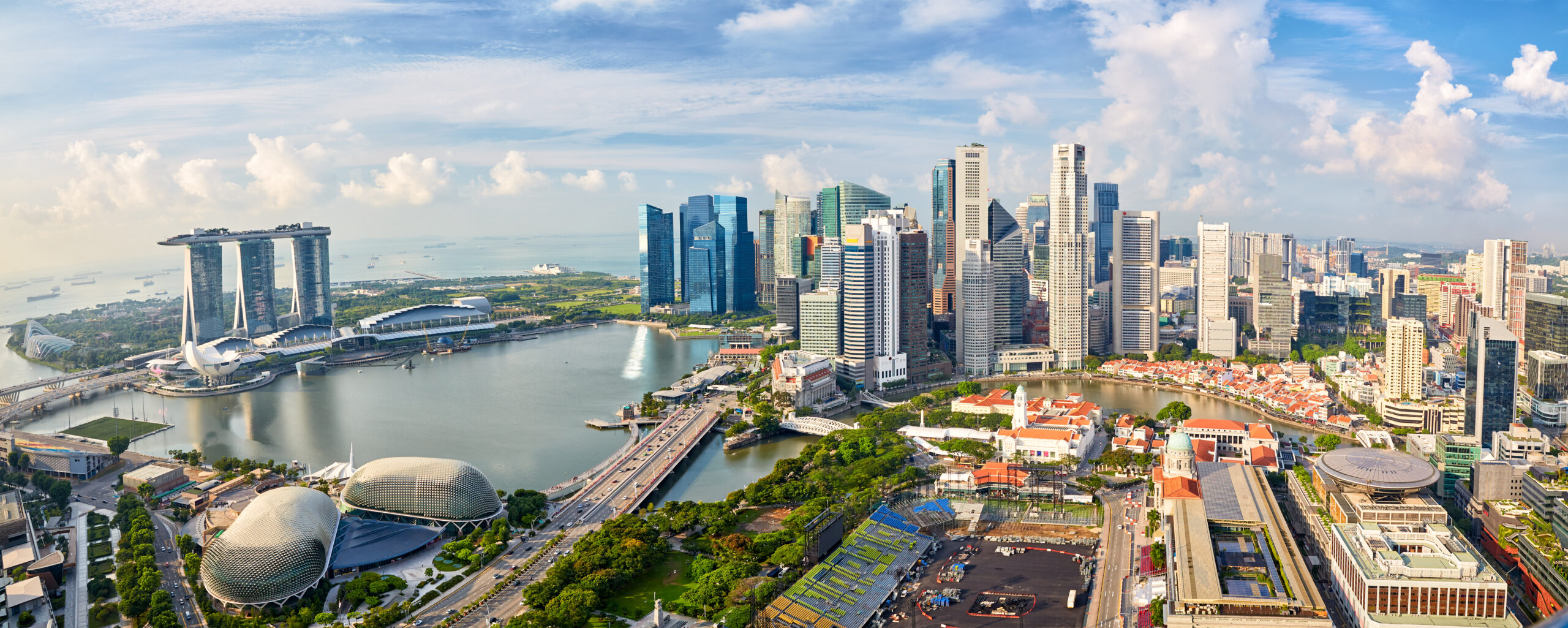
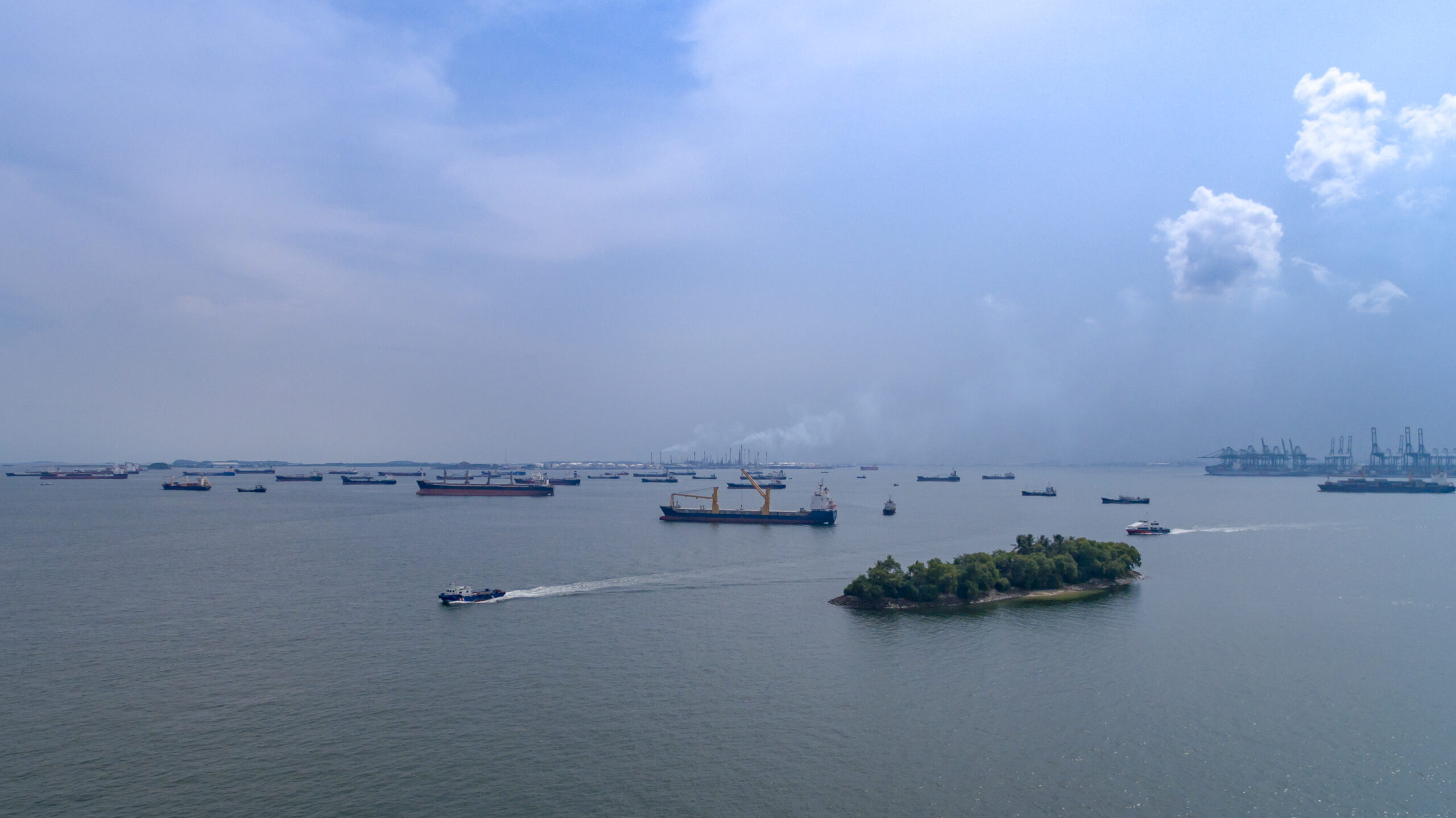
Singapore is one of those few places that is both a city and a nation. The city-state stands as a testament against the primacy of philosophical or religious systems and it is ardently in favor of whatever actually works in human affairs. It has made the pragmatic triumph over the ideal. The city occupies a natural deep water port located at the end of the Malaysian Peninsula. Singapore is located at the mouth of the commercial funnel of the Malacca Straight, the narrow, 560 mile long body of water which connects the Indian Ocean and the South China Sea. Over 94,000 commercial vessels sail to or past Singapore every year.
The ancestors of Singapore belonged to ethnic and tribal groups that made their earnings on the high seas and especially off of piracy – Chinese, Indians, Siamese, Riaus, Javanese, and Malays.
The history of the nation of Singapore dates back to its founding as a trading settlement in the early 19th century, although evidence suggests that a significant settlement existed there as early as the 14th century. It became a British colony in 1819. It was invaded and seized by the Japanese in 1942, during World War II, and gained full independence in 1965. After all that, Singapore developed itself into a modern, and very prosperous, nation.
That’s the Hallmark card, tourist description of Singapore. The fact is that in 1965 Singapore was thrown out of the Malay-dominated federation for not supporting Malaysia’s nationalist and racist pro-Malay peoples program.
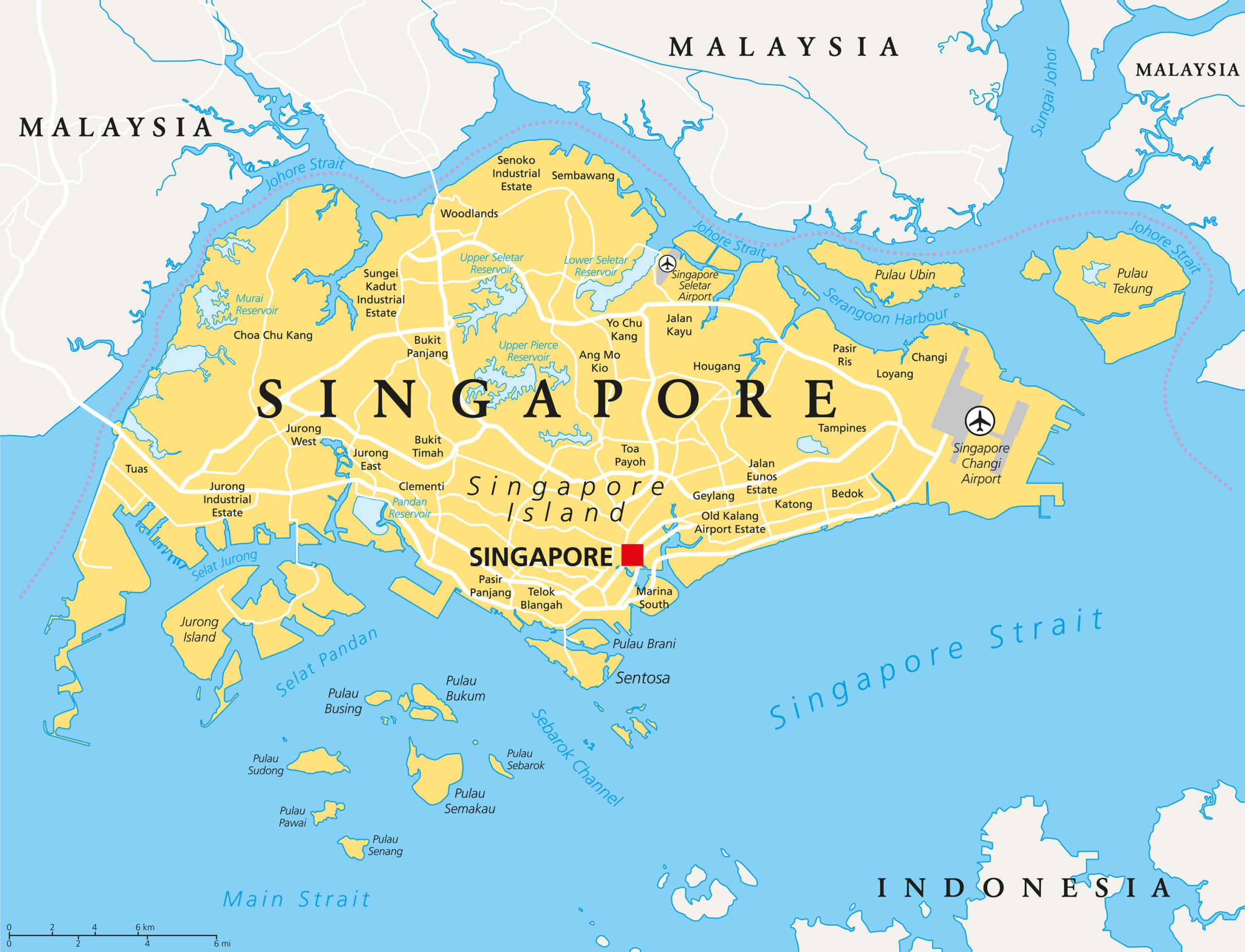
At the end of the Second World War the British chose to grant independence to the land of British Malaya. The Malayan Union was formed in 1946. The dominant social group of the union was the Malays. The Union was reorganized as The Federation of Malaya in 1948. It was initially a self-governing colony of the United Kingdom. Malaya became fully sovereign on the 31st of August 1957, and on the 16th of September 1963, Malaya was superseded by the nation of Malaysia when it united with Singapore, North Borneo (Sabah) and Sarawak. When the British finally left Singapore, in 1959, the island made the inimitable Lee Kuan Yew its Prime Minister.
The Communist Supported Konfrontasi Insurgency Attacks
In March of 1965 two Indonesian marines bombed Singapore’s MacDonald House (a model modern office building), killing 3 civilians and injuring thirty-three. The attack was part of the Konfrontasi insurgency into Singapore supported by Indonesia’s President Sukarto. Sukarto’s violent campaign against the new Federation of Malaysia (of which Singapore was then still a part) was not going to be a constructive element in Southeast Asia. Lee Kuan Yew’s police captured the foreign terrorists (who were considered patriots back home in Indonesia). They were tried and executed in Singapore. The Singaporean embassy in Jakarta was then stormed by students. Lee flew to Jakarta and presented flowers on their graves, but he did not apologize for the justice Singapore had dispensed to them. Singapore needed Indonesia to be its partner, not its enemy. Lee walked the fine line of publicly humiliating himself in order to accomplish that more important goal.
The Federation of Malaysia Expelled the Island of Singapore
On the 9th of August, 1965 Singapore was expelled from the nation of Malaysia because Singapore’s leader insisted on being a multi-ethnic meritocracy. Singapore was orphaned from Malaysia because of its pragmatic approach to governance. Singapore’s dominant population was Chinese, not Malayan, and not Muslim, yet it had large minority populations of Malaysians, and Indians.
Singapore was Isolated & Impoverished and Had Few Real Prospects for its Future
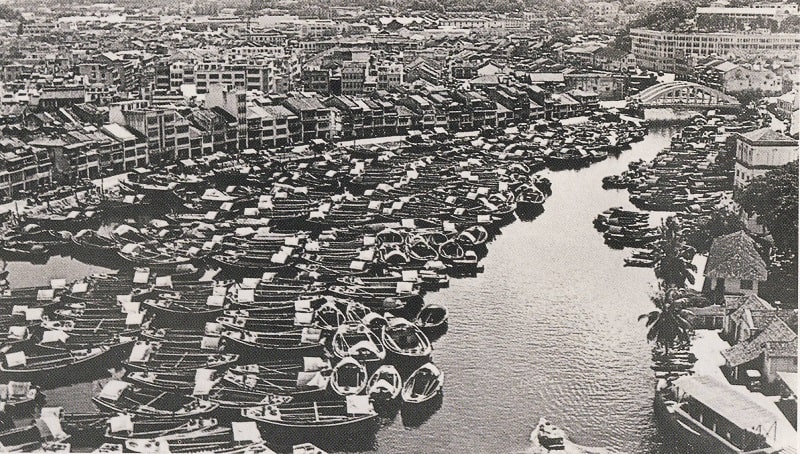
Thus Singapore found itself alone amid a newly constituted and hostile Malaysia which controlled Singapore’s access to fresh water, while a pro-communist Indonesian demographic behemoth was breathing down Singapore’s neck from the south and the west. Poverty, a high unemployment rate and sprawling urban slums were Lee’s true inheritance as Singapore’s Prime Minister.
With Singapore’s Expulsion from Malaysia, Lee Kuan Yew continued to be Singapore’s prime minister. In 1965, Singapore was a slum-ridden, over-crowded island port. At that point, 75% of Singapore’s families lived in wooden shacks or squatter huts without toilets or running water. The inhabitants cooked over open charcoal fires. More than half the population could not read. Ethnic riots between the Malaysian and the Chinese populations erupted in the streets, leaving dead bodies in the gutters.
Heartbroken Lee Kuan Yew Seized Control and Restored Peace
Despite forming the nominally democratic Republic of Singapore, Lee Kuan Yew declared essentially absolute dictatorial control of the city-state. Lee was so boldly audacious that on September 1st, 1965, when a CIA spy tried to bride him. Lee had the spy arrested and imprisoned. Lee ransomed the spy’s release to the US with a fine of $100,000,000.00. It was a fine which America paid! Lee also famously referred to the Australians as “the poor white trash of Asia.” Within one month Lee got the Republic of Singapore into the then important United Nations organization and recognized them as an independent nation.
Lee’s Singapore Forms a Military
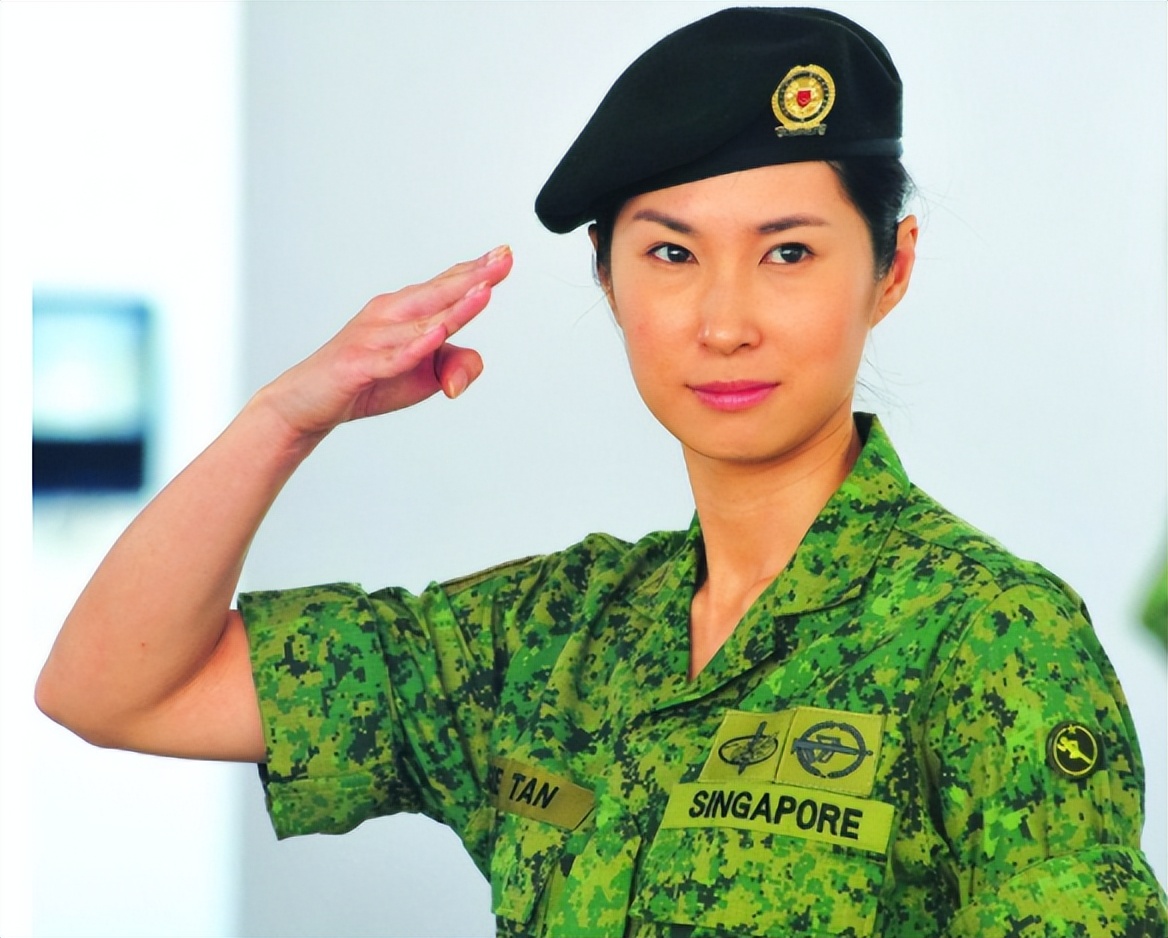
Also in 1965 Lee secretly turned to Israel for defense advisors and direction on how he should organize his citizens to form an armed force. At that point Singapore did not have a military of any kind, only a domestic police force. In 1967, Lee created the National Service; every young man must serve. By 1971 Singapore armed forces are comprised of 16,000 men, fully trained and organized. Lee famously states: “If you cannot defend yourself, no one else will.”
By 1967 Lee co-founded ASEAN with Malaysia, Indonesia, Thailand, and the Philippines. Singapore was no longer alone. Now it was cooperating with its neighbors.
Lee Declared Singapore a Tolerant Multi-cultural Island
Now Lee’s organizational skills turned inward. Singapore was inhabited by numerous Chinese, Malays, and Indians. These groups often clash violently. Lee declared that “all races are equal in Singapore.” Singapore recognized 4 official languages, Chinese, Malay, Tamil (of India), and English. Every child was allowed to learn his mother tongue but were required to learn English, the common language which would unite them. Lee also made religious evangelism, which is in anyway divisive, to be illegal.
Lee Began to Unroll His Economic Plan for National Development
In those early days the national economy of Singapore was still collapsing. Lee recruited the Dutch economist Albert Winsemius for help. Winsemius had first arrived in Singapore at the head of a United Nations economic advisory team in 1961. Winsemius advised Lee to:
“Forget ideologies and forget nationalism. To make Singapore succeed: keep taxes low, fight corruption, ensure stability, keep the island clean, build factories, and train workers. Then the multinationals will come.”
Universal Education was Emphasized & Provided for All
At Winsemius’s urging Lee’s first emphasis was to expand his already existent universal basic education agenda. Lee also began work to create jobs, and increase foreign investment in Singapore. He also encouraged a large-scale public housing program since he believed that it would bolster the country’s image, which would attract foreign investors.
Cleanliness is Part of Indonesia’s Grand Plan
In 1967 Lee launched his Garden City Campaign to clean up Singapore. He ordered trees planted along highways, river sewage and debris clean-up programs, and parks to be carved into the city. Cleanliness and greenery became propaganda to signal to the world that Singapore was no longer a slum.
Foreign Direct Investments in Singapore Welcomed & Protected
Lee’s ten year plan was to transform Singapore from a trading port to a center of manufacturing and industrialization. With Winsemius’s help, Lee attracted two large oil companies, Shell Oil and Esso, to establish refineries in Singapore.
In 1971 Lee spearheaded the establishment of Singapore’s Five Power Defense Arrangements. The FPDA was a military alliance involving Australia, Malaysia, New Zealand, Singapore, and the United Kingdom. It served as a consultative framework for these countries to discuss responses to potential threats or armed attacks against Malaysia or Singapore. It was focused on mutual defense and regional security.
In the 1970s, Singapore was upgrading its industrial capacity to use higher technological methods, including electronics. Winsemius personally went to persuade large Dutch electronics companies such as Philips to set up production plants in Singapore. He also proposed for Singapore to be developed as a financial center, and as an international center for air traffic and sea transport with containerized shipping. Lee focused on infrastructure developments of its port facility and its International Airport (which opened in 1981). Texas Instruments, Hewlett Packard and General Electric set up final assembly plants in Singapore. The dockyard region the British had left was converted into shipyards for shipbuilding and major repair operations. In 1972 Lee funneled subsidies to help start Singapore Airlines. Lee also upgraded his University to reorient towards training engineers and skilled workers who could serve the newly arriving companies.
Massive State Housing Provided to the Poor and the Working People
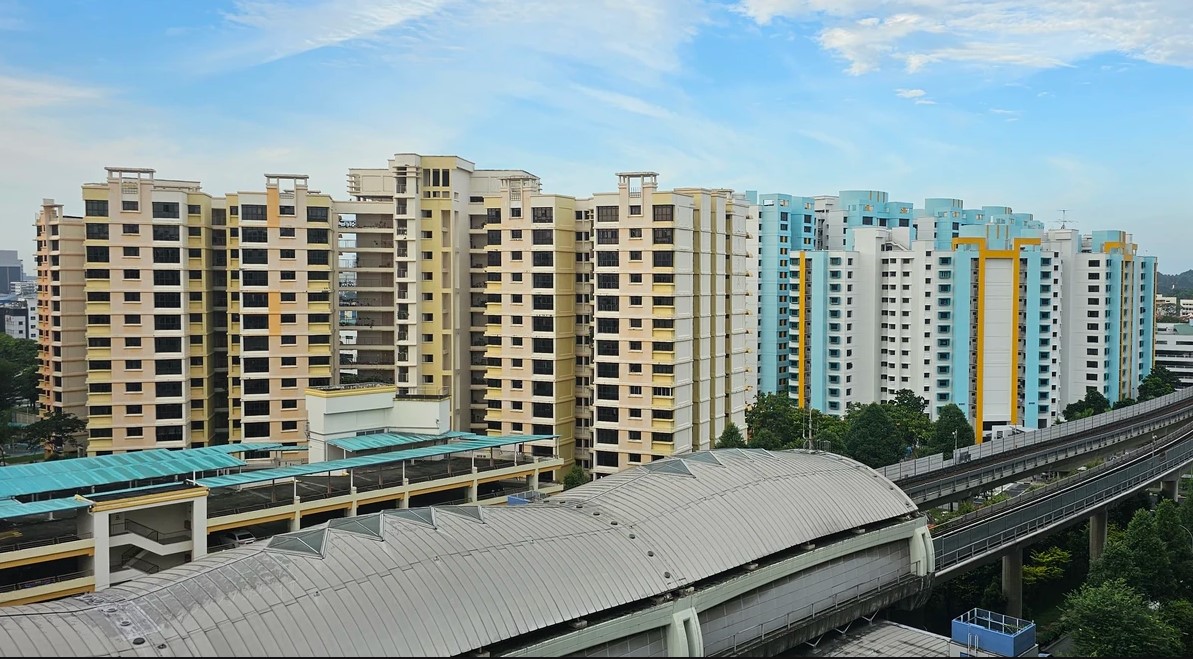
By the mid-1970s Lee was diverting the national earnings from the new industries to transform daily life of the common people. The Housing and Development Board, established in 1960 was refocused to eliminate the kampong village slums, by building extensive public housing apartment complexes to upgrade the housing quality of the common people in Singapore. Hundreds of thousands of people were moved every year into concrete construction apartment buildings with running water, flush toilets, and electricity. To pay for these projects workers were required to deposit roughly 20% of their wages into his Central Provident Fund. Lee’s housing program required Chinese, Malays, and Indians to live side by side. No segregation. English become the language that united them.
Lee Launched an Aggressive Anti-Corruption Campaign
At the same time Lee doubled the salaries of government employees to enhance their commitment to their jobs. He then unleashed a massive anti-corruption campaign via his Corrupt Practices Investigation Bureau (CPIB) which acted against corrupt government officials. Anyone caught taking bribes went to jail. When his own top Minister for National Development, Teh Cheang Wan, was caught taking bribes of over $1,000,000.00 from two companies the CPIB swept in and arrested him immediately. Lee was unsympathetic about him and Lee was adamant about stopping corruption wherever it occurred.
Chewing gum was outlawed. People caught littering, spitting, or jaywalking were fined thousands of dollars. Long-haired men are banned from public service. Drug traffickers operating in Singapore were arrest, tried and if convicted they were executed by hanging.
Lee’s political opponents were bankrupted by lawsuits or detained without trial. The press was aggressively controlled and censored. Make no mistake about it, Lee Kuan Yew was an absolute autocratic dictator! Women were pushed into schools and then jobs. For a period of time Lee’s Stop At Two Program limited larger families.
Lee’s foreign policy is brutally blunt and frank. When Deng Xiaoping started China’s Reform and Opening Up Program, numerous Chinese communists studied Singapore. The world’s most populist nation was now learns from one of the world’s smallest.
Lee Kuan Yew Relinquished Control of Singapore and Retired in 1990
By the time the autocratic Lee Kuan Yew relinquished his office of Prime Minister to his successor Goh Chok Tong in 1990, Singapore had become an obvious modern success story. In 2000 Singapore’s per capita GDP was $24,000 per person, matching France’s and Canada’s that year. By 2024 it had reached $90,000 per person, which exceeded the US value of $85,000 for that year, and which was far above that of any of Singapore’s neighbors. In education Singapore ranks at the top of the OECD PISA tests for math, science and reading skills, beating out Finland, Japan, and South Korea. A country with no natural resources other than its people has become one of the world’s intellectual and financial hubs.
Conclusion – State Controlled Capitalism Can Be the Best of Worlds
American constitutional republican democracy and its Western imitators is not the only road to a happy and functional society. Our national emphasis on individual freedoms and personal liberty has been a precious asset to the Western nations which have lived it, but it has not been adequately defended and maintained. It cannot be kept without steady vigilance on the part of the common people, and it has been badly eroded in the modern age.
This alternative of state-controlled free market commercial exchange can be paired with a generous system of social benefits which work for the good of the common working people of a nation. Lee Kuan Yew’s Singapore is a shining example of such a system. Lee’s dictatorial totalitarianism made regular, average Singaporeans wealthy, smart, and happy.
Lee Kuan Yew, the man who made Singapore the jewel of the civilized world, died in 2015. His rain-drenched funeral procession was attended by 2,000,000 Singaporeans. The spectacular success of the good Autocrat was undeniable.