
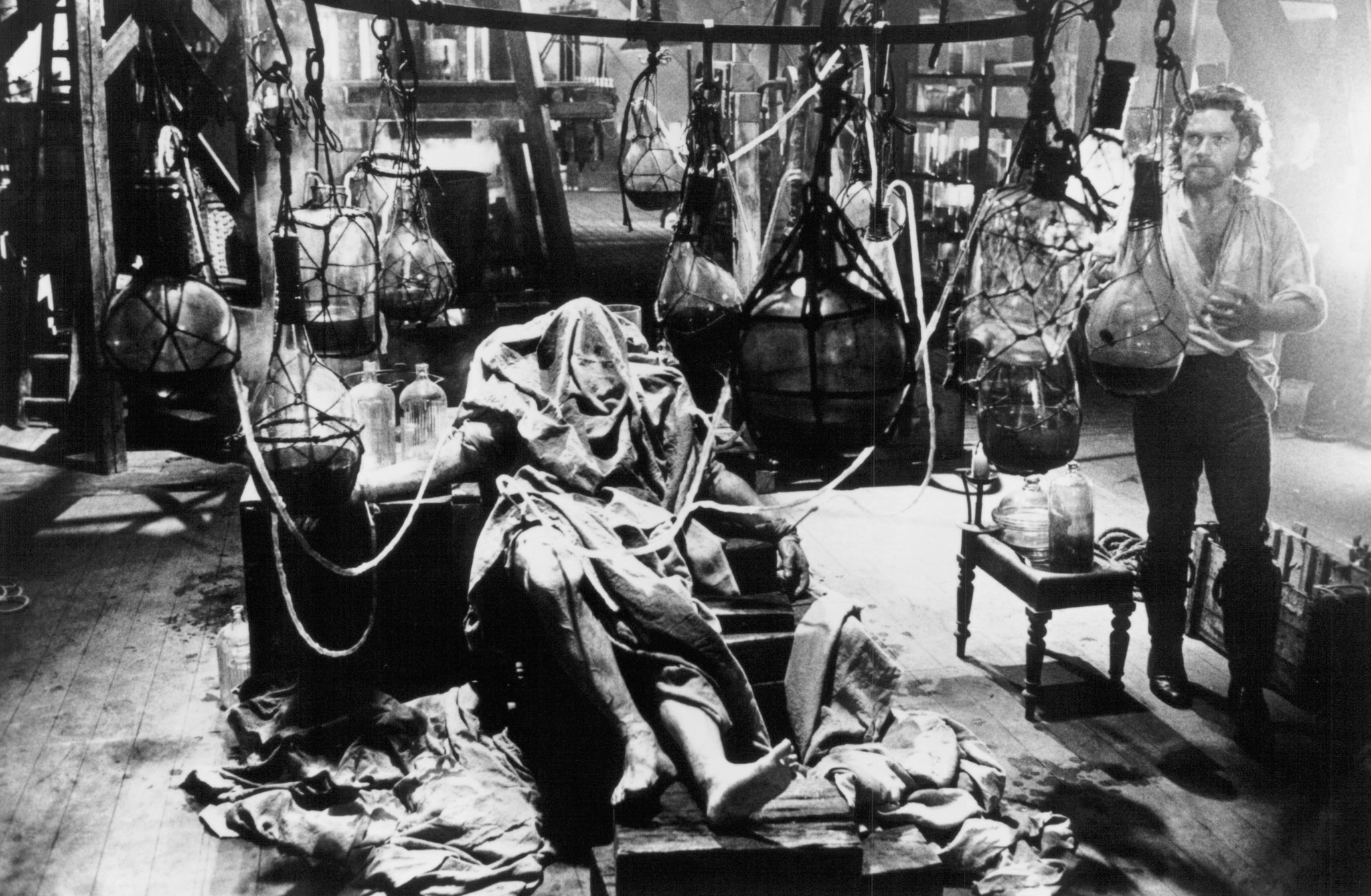
Mary Shelley’s Frankenstein: The Modern Prometheus is a monster of a story. It incorporates the ethics and tropes of the Romantic Era in literature while pointing prophetically to the ethical scientific dilemmas of our own time. This much most of us know: In pride and a desire for importance, Dr. Frankenstein creates a nameless creature known only as “The Monster” out of the body parts of corpses, and through a vague sort of electrical process he animates the monster.
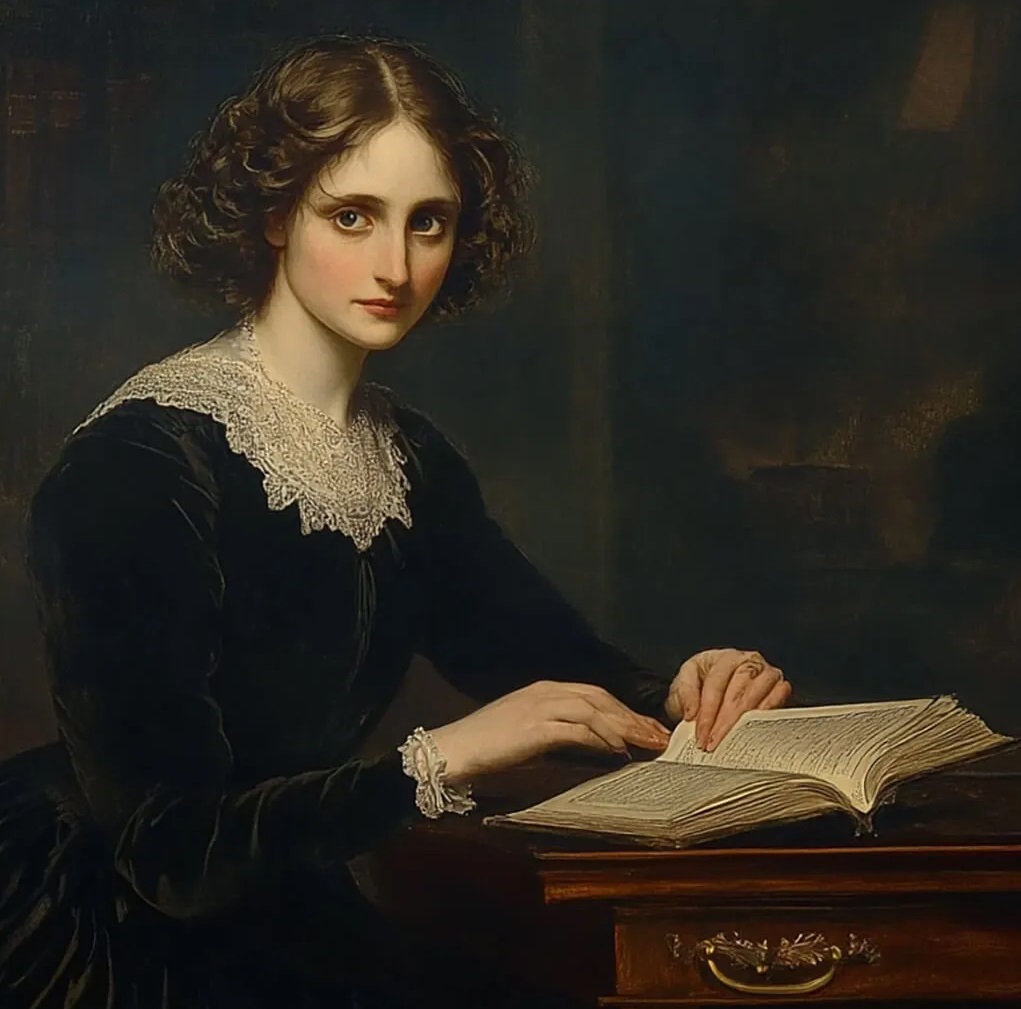
Unlike most 20th century movie portrayals, the original Frankenstein story is not a primitive horror film appealing to our base instinct of fear, but rather, a visionary and prophetic tale which imagines a horrific scenario in which man’s attempts to gain the powers of God result in the creation of a misshapen creature who retains the sensibilities and soul of a human being. Since all those he encounters find his visage viscerally repellent, The Monster cannot find happiness and satisfaction for the longings of his all-too-human soul. He aches for human companionship, including a wife and family, but those he meets reject him in both fear and disgust before he can reveal his compassionate, loving spirit to them.
So the story is both a psychological insight into a person who is rejected by society – an outsider – and a monolithic statement about the devastation which occurs when man tries to play God. As the story progresses we trace The Monster through his agonies: he attempts many times to emotionally connect with others, but eventually the continuous rejection he experiences fosters a pain in his heart so great that his bitterness turns him towards hatred and a revenge so all-encompassing that The Monster becomes a murderer, eventually wandering towards suicide in the barren Arctic landscape.
Today, the invention of AI presents the possibility of a new version of The Monster, which slyly transfers the pain to those of us who interact with it. Shelley’s warped creature agonized over his misshapen and distorted self, which isolated him from love and community. Shelley could not have envisioned the new Monster we have potentially created: AI is not vague, and it is not any more “human” than Shelley’s Monster was, but unlike that creature, AI cannot and never will feel compassion, sorrow, or happiness, no matter what its creators claim. Like the pagans of old who foolishly asserted that their false gods held power to control the weather and the future, AI creators claim it contains the possibility not only of mimicking the traits of both God and man, but of becoming such.
And like the ancients who built the ill-fated Tower of Babel, the techno-globalists who work towards ruling the world through sentient AI are doomed, as is their project. We have only to look at the end of the Babel Project to see the future. We will be spit out like spoiled milk, and our technological accomplishments will be dust in the wind, leaving our elites and leaders bereft of the very tools they depended upon. How will this occur? It’s unknown, but we can imagine scenarios which we ironically bring on ourselves: destruction of our infrastructure through war comes to mind as the most likely event, because our history as human beings reflects the truth that most often, nations and their governments eventually fall through their own hubris and passion for power.
While Shelley did not foresee the specifics, she did accurately imagine the philosophies of the 20th and now 21st centuries, as many scientists now coldly glorify eugenics, create and destroy test tube babies, offer parents the choice of destroying unborn children because of their gender or perceived handicaps, and develop new life from harvested fetal cells. In short, she foresaw the philosophy of Hegel’s “Superman,” borne out first in the Hitlerian Third Reich and in the policies of many “civilized” nations today. The fact that the full title of the first edition of her novel is Frankenstein: The Modern Prometheus reveals the depth of her understanding of the ultimate consequences in a society which was already rejecting the spiritual and sacred meanings of what it means to be human.
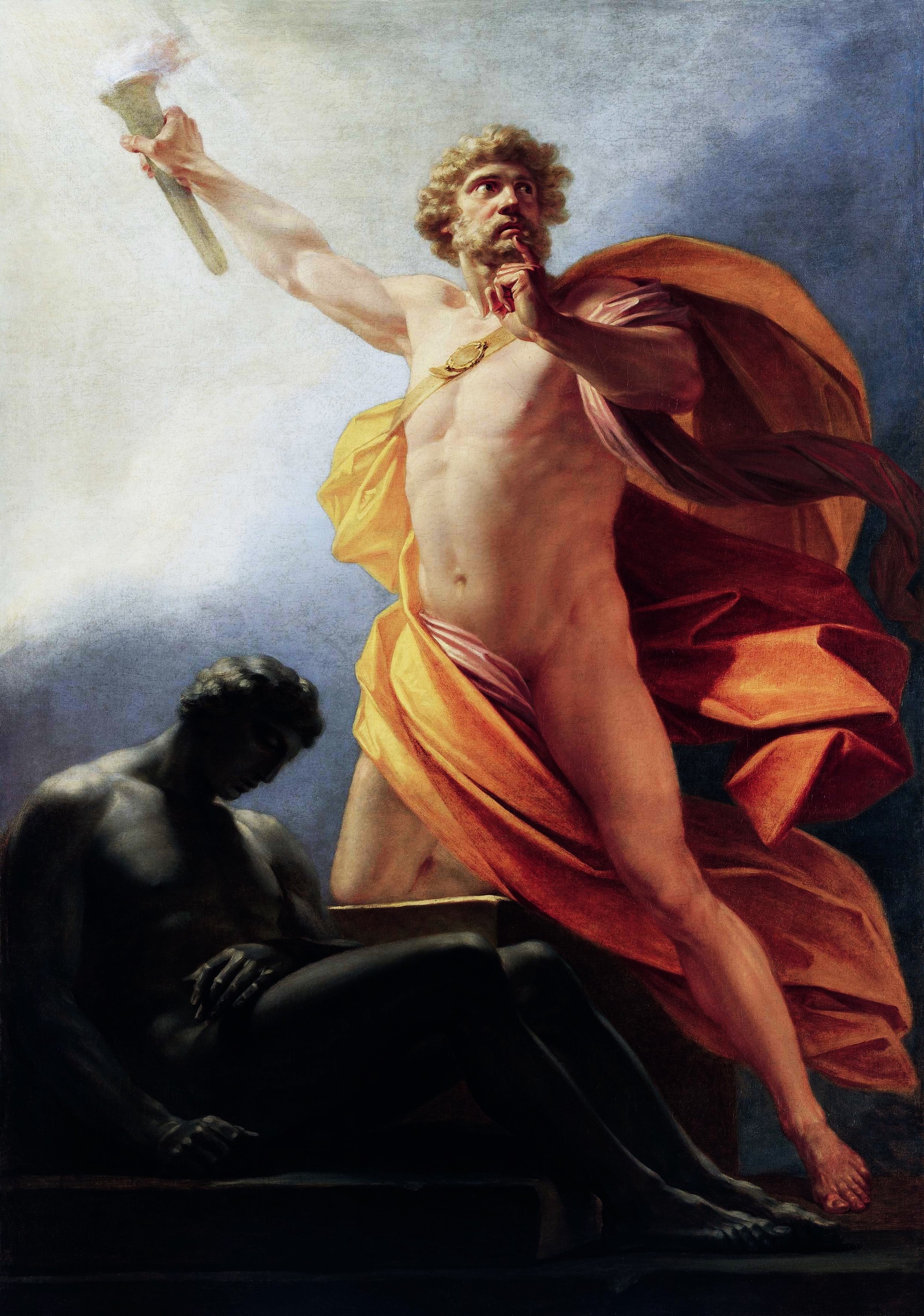
The ancient desire for power – the power to be like the creator, and the ways in which it would be played out in our world today through misuse of the discoveries of the Enlightenment – is so mightily and uncannily portrayed in Frankenstein that it’s almost unbelievable. Shelley truly saw what would happen if we were to choose to believe that the material world is the seat of our being, replacing the beauty of the soul and the true sense of the creator’s natural order with a mythical “perfection” which cannot be attained in this world.
Recommended: Kenneth Branagh’s 1994 movie, “Frankenstein,” which is faithful to the original story.