China’s Long and Noble History
China has been the central power of Asia, the center of Asian culture and the source of the progress of Asian civilization for the last 4000 years. China is and has been the “central kingdom” and as such has considered itself the natural “ruler of all under heaven.” The continuity of Chinese culture is, in general, poorly understood by the “I want it all, now(!)” cultures of the western societies. Except for the brief 140 year long “century of embarrassment” China has been Asia’s bastion of wisdom, culture, technology, and reasoned government for as long as the Han Chinese can remember.
From a Chinese point of view the god of creation gave the Han Chinese people the honor of being the central kingdom to the Han people. This self-image of Chinese superiority is understood as an honor given to the Han Chinese people by their god of creation, and that view point is again held today by most of the current communist Chinese leaders. Again, from the Chinese communist point of view, and from an ancient traditional Chinese point of view, the inevitability and momentum of history, is now restoring China to its natural and rightful place as the ruler of the entire world.
Xi Jinping’s Phony Distortion of China’s Noble History
In the modern narrative of Xi Jinping (and his vast array of 90 million pocket minions in the Chinese Communist Party) he wants the west to be ashamed of its role in the slowly crumbling collapse of the Qing dynasty and the Opium Wars. However he (they) don’t bother to included their own role in China’s Taiping Rebellion/Civil War which cost roughly 25 million Chinese lives between 1850 and 1864, and in which the west was not a factor. Xi also chooses to ignore the deadly, 22 year long Chinese Civil War, which was fought between Mao Zedong and the Chinese Nationalist war lords. He also ignores the massive famine caused by Mao’s deadly Great Leap Forward, and his murderous Cultural Revolution. If the Opium War which began in 1840 marks the beginning for their period of embarrassment then that period did not end until Deng Xiaoping and his able rival and assistant Chen Yun initiated the period of “reform and opening” (the period of gaige kaifong) in 1979.
That would make China’s legitimate “period of embarrassment” almost a century and a half long. Thus a more honest rendition of China’s history would also make Mao and the Communist Chinese party at least equally responsible with the west for China’s “national embarrassment.”
The Communist Chinese reject any rules or restrictions that might limit their national economic process or their desire for global dominance, because their view is that it is the inevitable fate of the Chinese nation to rule the entire world. As a result, Xi and his fellow communist leaders see Chinese Market Capitalism as just another domain being used by China in its, undeclared, unrestricted, and unrelenting war to rule this world.
To this end, as Xi Jinping describes China’s market-based commercial activities as:
“Capitalism with Chinese characteristics.”
Chinese Capitalism is not only about China becoming the world’s only monopoly controller. It is an arm of China’s unrestricted warfare program against America and the west, so China can become that ruler. The western globalist power-elites, and their many detractors who fear them, speak of a burgeoning new One World Order of ruling capitalists. They are knavishly happy to give China a seat at the table with them. They naively fail to understand that China does not, in the end, intend to share that honor with westerners or anyone else.
Ancient Chinese philosophy says “there is no domain which warfare cannot use.” Chinese state directed commerce is just one such domain. The same ancient Chinese wisdom observes that “at the end of our long game there is only one winner.”
Reform and Opening – Gaige Kaifang
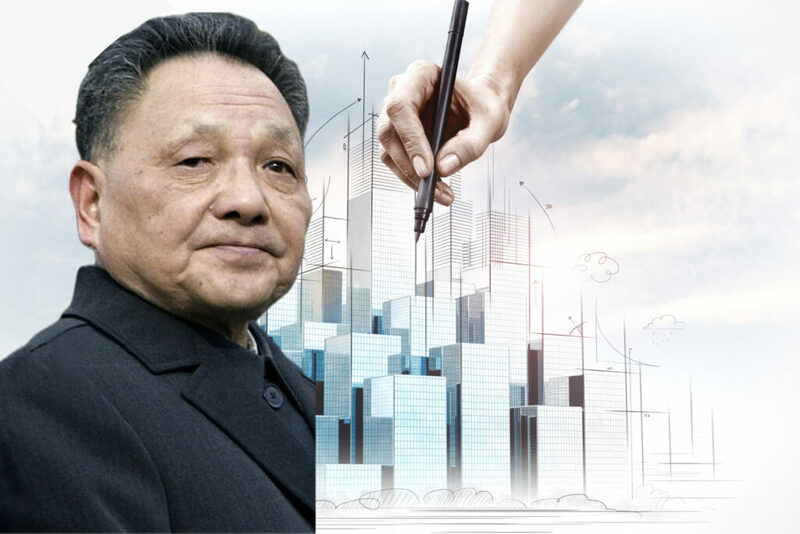
When Deng Xiaoping and Chen Yun opened China up and allowed less restricted markets to set prices, and “private” ownership of businesses and private investment commercial endeavors by various Chinese entrepreneurs, starting in 1979, they did not have a master plan for how to allow market forces to increase prosperity in China. Deng frequently referred to his “make it up as you plan “as crossing the river by feeling the stones.”
However, despite much western hope and optimism, none of China’s leaders nor its many apparatchiks of the Communist Chinese Party ever for a moment considered releasing their absolute totalitarian control over the Chinese people. The party has adroitly observed, managed and controlled every event in the process of allowing market capitalization to occur in Communist China.
The first thing a western observer of China’s initial version of commercial behavior must realize is that in 1979 China shared the then universal western view of China’s clumsy communist social system as a then backwards, broken and severely inefficient structure that had left the Chinese people impoverished and starving which strongly need particular components of the modern western systems of commerce so it could improve and modernize.
Many individuals in the ruling Communist Chinese Party knew or soon learned that China needed market-based reforms to improve the efficiency of their ancient modes of trade. However the Chinese communist rulers never for a moment thought they needed the social systems or the free thinking ideas of the west.
The endlessly naive and condescendingly superior view which most westerners held of China led them to grossly misunderstand China’s pragmatic and “make it up as you go” game plan. The Chinese are magnificent students, and they were always very realistic about their goals. They also understood that they, the ruling Chinese Communist Party, should not be open about their goals and plans with the westerners they were inviting to fund and facilitate their process. They knew they needed to keep their plans and intentions obscure and hidden from the eyes of the western enablers they were going to use to make China more functional and to give China the material assets of modern societies. The classical stereotype of the inscrutable oriental should not be forgotten. It is not an out of date truism with respect to China’s process of “reform and opening” up.
On the western side, the globalist financier type, power-elite businessmen positively drooled over China’s national population of over 1 billion people and growing. The wealthy western businessmen wanted to get his products into that market enormous market. If he or she could successfully solve the numerous distribution and sales challenges it presented then he or she would surely become wealthy beyond their imagination.
The Chinese Communist Party officials were glad to welcome their western teachers into the commercial classrooms of China, in which the wise and able Chinese were the students. These Chinese “students” were happy to lead their western instructor-knaves down the proverbial yellow brick road to their own destructions. The Chinese were carefully not forthcoming about the complex process the Chinese had ready for their American business fools.
These Communist Chinese leaders had also not forgotten to study the lessons of the ancient silk routes, which had traded with the Persian Empire and traveling via its Royal Roads to the Mediterranean civilizations 600 years before the time of Christ. The Chinese experience of the ancient silk route trade was greatly expanded and systematized during the era of the Western Han Dynasty (206 BC to AD 9), and it continued on through the days of the Venician traders that Marco Polo traveled with.
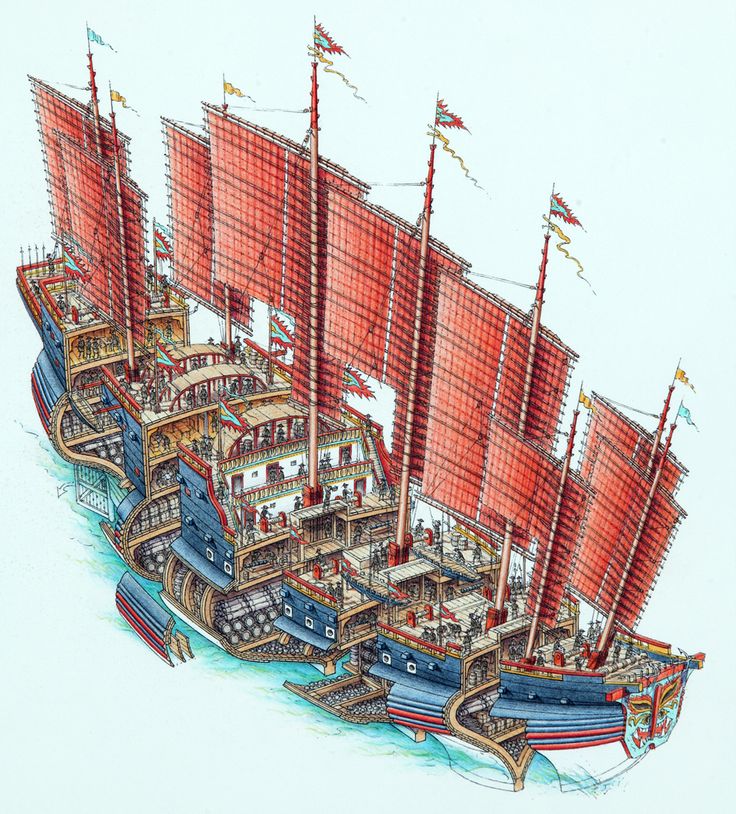
Those leaders also studied their ancient maritime trading experiences, including those of the Admiral Zheng He, who sailed as far as Africa in search of trade and exploration. They also studied and remembered their previous direct trading experiences with the European west during the Ming Dynasty (1368 to 1644) and the Qing Dynasty (1644 to 1991) which sadly crescendoed into the “period of the embarrassment” for China. These capable students learned their lessons well.
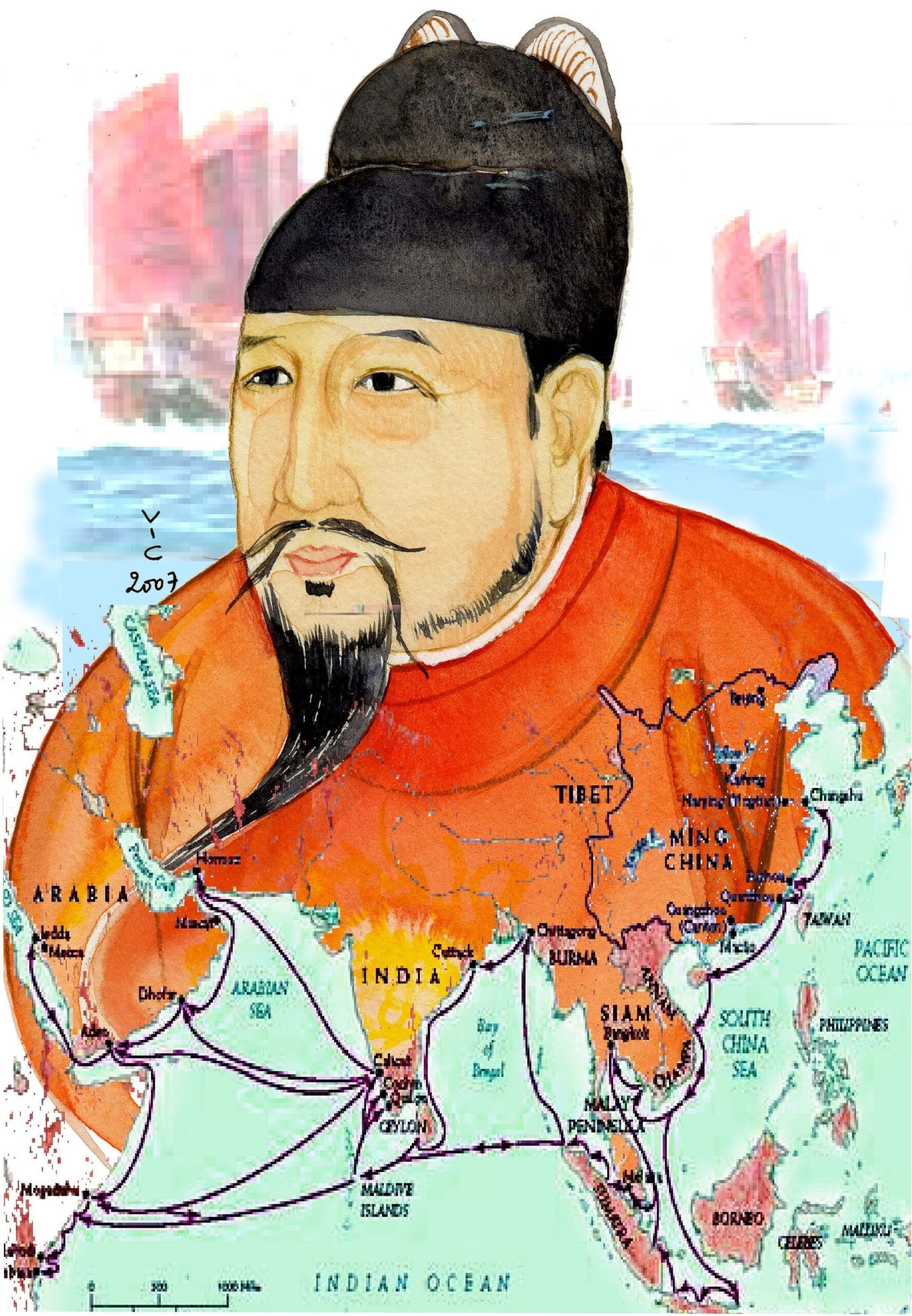
Den Xiaoping, Zhao Ziyang & Chen Yun Give Birth to Dragononmics
The pragmatic modernization drive was led by party’s paramount leader Deng Xiaoping who was willing to trying things he hadn’t really thought all the way through. Deng was balanced by his powerful rival, the conservative “look-before-you-leap” Head of the Communist China’s Economic Planning Bureaucracy, Chen Yun. The powerhouse of the opening up was the pragmatic and economically well-educated Zhao Ziyang (later placed under house arrest for his roll supporting the protests at Tienanmen Square and in many other industrial cities in China). Together these three divergent points of view combined to allow market economics to dramatically improve the well being of the common man in China.
The first important step was reversing of Mao’s inefficient farm collectivization system. In the mid 1950s, under Mao dictatorship, private ownership was abolished in favor of the Leninist Soviet collectivization system. Starting in the village of Anhui, communal farming was replaced with individual families being assigned plots to farm, but also being allowed to chose what they would plant, and to chose the price they sold their produce at.
Between 1978 and 1983 the inefficient Chinese farming system was privatized and productivity of those farms increase of 35% in five years. Zhao Ziyang quickly and strongly embraced this new market-based farming system.
Deng Decides that China Needs to Study Western Commerce in Detail
Opening up also meant that legions of Communist Chinese students and bureaucrats were sent out to study how western economics and commerce worked. The newly successful “East Asian Tiger” economies of Japan, South Korea and Taiwan were of particular interest to Deng and his associates. China’s growing contacts with Western nations resulted in a sharp acceleration of trade throughout the 1980s. The purchases of western equipment to automate Chinese-based manufacturing endeavors was emphasized. Soon Foreign Direct Investment (FDI) was opened up, allowed and then encouraged. This included the Importation of complete modern manufacturing plants (Greenfield Investments).
China Decentralized Central Planning
China learned to decentralize much of its party regulatory systems, but the party was clearly not about to loose or yield its absolute control of these matters. The administration decentralized, the control did not. During this period China developed their system of special economic zones which looked remarkably western to the eyes of westerners. China also set up many private appearing state owned import companies.
Five industries took the greatest initial advantage of the open trade with China: textiles, tourism, petroleum products, computers and high-tech equipment, and insurance. The first western businesses to start trading with the communist Chinese and to endeavor to penetrate and expand its limited markets was Seabrook International Foods, Inc. which imported western made fabrics, home furnishing products, frozen foods, etc. Although the Chinese market was important for some American industries, products, and firms, the Chinese market was intentionally tightly limited against American goods in general by the CCP.
The acquisition of foreign plants and equipment enabled China to utilize the more advanced technology of developed countries to speed its own technological growth and economic development.
By 1979, the softening US military view towards China cleared the way for sales of military support and dual-use equipment. Companies began to sell computer systems with general-purpose simulation capabilities for training and advanced research. Although companies still faced the frustration of having to obtain export licenses to complete sales, “The open door to China seemed to create huge opportunities for those willing to take the risk.”
China Used Forced Foreign Companies into Mandatory Joint Ventures with Chinese “Investors” so China Could Learn and Steal to Trade Secrets and Intellectual Property of Those Companies
Major U.S. corporations were forced to form joint ventures with Chinese companies who were their nominal counterparts. The western companies were forced to share all of their intellectual property such as trade secrets and manufacturing and commercial techniques with their Chinese associates. Their Chinese associates then shared those concepts and techniques with Communist Party officials who were closely monitoring their relationship and who communicated the lessons learned to those who should know such things in the CCP. The CCP then quickly encouraged Chinese entrepreneurs to set up competing companies to work against the foolish westerners.
Many western business got their feet in the door of the Chinese markets only have those feet amputated once the Chinese had learned how to imitate their initial successes. The list of large western business which were duped by the CCP into teaching the Chinese was long and shameful. It included:
Visa, MasterCard, Western Electric Company (Nuclear power plant manufacturing), Magnequench (Rare earth element mining processing and purification), Lucent Technologies, DuPont Industries, General Electric, Advanced Micro Devices (AMD), Apple, Boeing, Micron Technologies, Coca-cola, Google, Yahoo, T-mobile, Adobe, Dow Chemical, Monsanto, Morgan Stanley, etcetera, etcetera, etcetera.
This nefariously ruthless and clearly unfair group of business tactics has been repeated over and over again, to the bane of many western companies. The western win-win paradigm of business cooperation and fairness has no Chinese Communist analog.
The true (but hidden) Chinese paradigm is a fight to the death, and “too bad” for the western looser: “it sucks to be you !!” The Chinese have been at this for 50 centuries and so far the west is far too naive, foolish, and greedy see these 21st century criminal triads coming their way.
The Routine Chinese Modus Operandi Tactics Include:
1. The Chinese government demands that all western companies seeking to enter the Chinese markets set up their endeavors as a “joint venture” with local Chinese partners.
2. The Chinese partner entities use the joint venture to co-op, steal, or copy the western business’s private intellectual property and commercial know how.
3. Within a few years the western company finds itself out of Chinese clients; within a decade the western company finds itself competing with its former Chinese partner on the global market.
4. The Communist Chinese government pulls out all the stops to out commercially out complete the western business that taught them how in the first place. This process is not the “fair,” level playing field, competition as it is accepted and understood in the west. In communist China business competition against western companies is a fight to the death, and the desired endpoint of that fight is the bankruptcy of the western “competitor” and a world monopoly on that market being held by the Communist Chinese Party.
Common Communist Chinese Party Commercial Demands:
Foreign ownership restrictions, such as joint venture requirements, foreign equity limitations, various administrative review, and licensing processes to require or pressure technology transfer from US, and western companies are routine. This is a classic good guy – bad guy ploy. The joint venture partner is a “friend” who is just trying to help the western businessman understand “the Chinese way” of capitalism with Chinese characteristics. The government regulator/enforcer person is the bad guy manipulating and forcing the western businessmen to comply with the CCP government requirements.
China’s regime of technology regulations forces the US or western companies seeking to license technologies to Chinese entities to do so on non-market based terms that favor the Chinese recipients.
China directs and unfairly facilitates the systematic investment in, and acquisition of US and western companies and assets by Chinese companies and individuals in order to obtain cutting-edge western technologies and intellectual property. The stolen western technologies and intellectual property is then covertly transferred to Chinese companies. Remember there is no such thing as a private company in China; all business enterprises in China are government controlled by one mechanism or another.
Under Xi Jinping Chinese Fraud & Duplicity Explode
China conducts and supports unauthorized intrusion into, and theft from, the computer networks of US and western companies to access their sensitive commercial information and trade secrets. China also uses this technique to steal essentially every military secret in the US and its western allies. China literally has battalions of paid professional hackers in military uniforms.
Once the communist Chinese government has set up its Chinese competitor, no holds are barred. The government will aggressively subsidize its industry in every way. It will make the Chinese product prices on the global market so cheap that no western private enterprise could possibly complete with it, until the western producer is financially destroyed, goes bankrupt, and the failed company’s production stops.
The Communist Chinese government supported and subsidized competitor wins, and the western company watches as its intellectual property is weaponized against it to cut away at the profits and the economic health of the western company.
When the communist Chinese have established a global monopoly on that product line or industry, China is in control of that market, and prices will begin to rise, to the bane of the non-producer nations of the world. By 2015 China was the world’s workshop, producing the great bulk of products then being sold in America and in Western Europe.
The final common pathway of this globally nefarious plan is an unsustainable trade deficit which over time will completely deplete the wealth of the US and of Western nations. The capital that has been sent to China is being reinvested in (is being used to buy) those western companies which are left standing. The metric which tracks this process is the Net International Investment Position (NIIP) of a country.
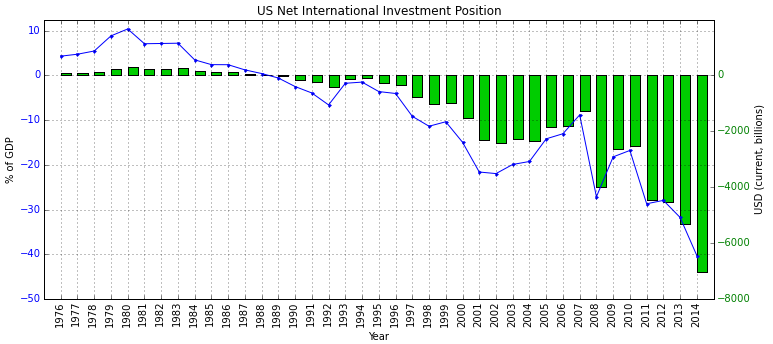
When the NIIP of a country gets bad enough some form of national collapse occurs. According to the US Bureau of Economic Analysis (the BEA), the current US Net International Investment Position is – 24.65 trillion dollars! Correcting this imbalance is the motivation behind Trump’s tariff-mania, and it is the legal basis of Trump’s battle in Supreme Court to defend his right to impose those tariffs.
Conclusions
While the crown-controlled monopolies of the 18th and 19th century were highly obstructive to market freedom and to the general welfare of the common working people, and the impoverished classes of their societies, they were nowhere near as monstrous and horrible of a system as the system of capitalism which is subservient to a fully organized communistic state’s control.
The older nominally crown controlled monopolies like the British East India Company and the many internal monopolies granted by the various monarchies of Europe did not exist for the general good of their societies. Moreover they were not really state controlled. The proto-globalist financier type power-elites still controlled those entities, and via careful and often clandestine orchestration, those power elites generally controlled or at least strongly influenced the monarchies they were nominally subservient to.
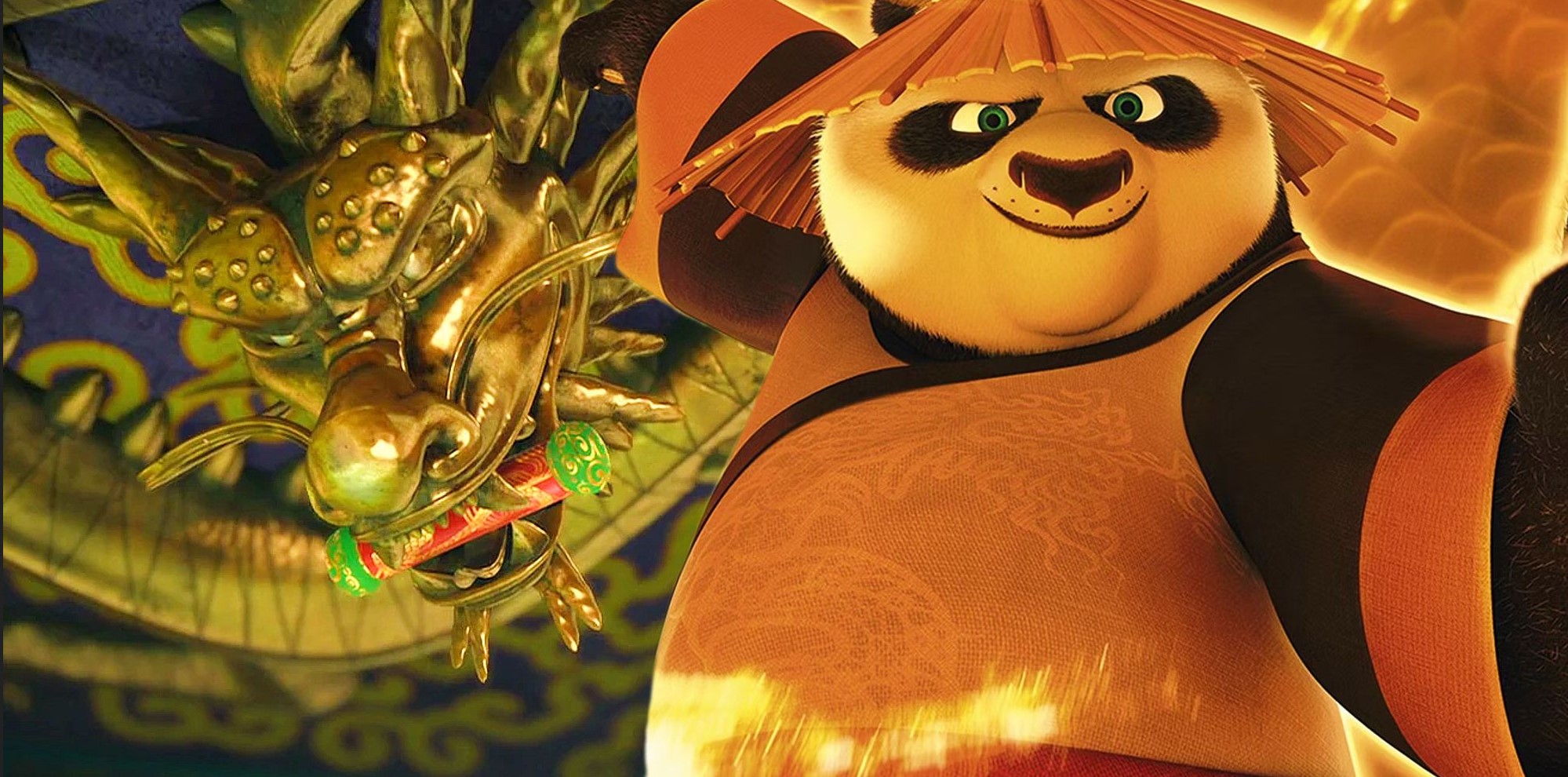
Though neither is a bargain, “capitalism with Chinese characteristics” under the increasingly dictatorial Xi Jinping, is an entirely different and far more nefarious entity than the also destructive monopolies of the western financier type power-elites. Don’t let the cute Panda bear mask fool you; the dragon behind the mask intends his bite to be fatal to the west.
If we the people do not oppose this undeclared and unrestricted war China is prosecuting against us, then the US and western nations will be defeated by Chinese patience and duplicity over an extended period of time. No world war is required. Sun Tzu would be proud of Xi Jinping and his minions.