
The Birth of Naval Aviation
In the 1700s and 1800s, well-trained western professional engineers, scientists and aviation enthusiasts knew that sustained, powered flight by heavier-than-air machines was possible. Birds are heavier (denser) than the air they fly in. However the complexity of all the problems that needed to be solved simultaneously thwarted the invention of the first aeroplane. By the 1890s, most of the well-informed experts thought powered flight was eminent, but none of these guys could get the job done.
On the 17th of December, 1903 all of that changed. After five years of creative, systematic and progressive endeavors two pragmatic bicycle mechanics from Dayton, Ohio showed the world how. During those five years their creative genius, meticulous design work, careful experimentation and engineering development steadily progressed. The brothers Wilbur and Orville Wright finally brought their work to fruition at Kill Devil Hills south of Kitty Hawk, North Carolina. There they successfully demonstrated the first manned, sustained, powered, flight of a heavier than air machine, The Wright Flier, at Kitty Hawk, North Carolina.
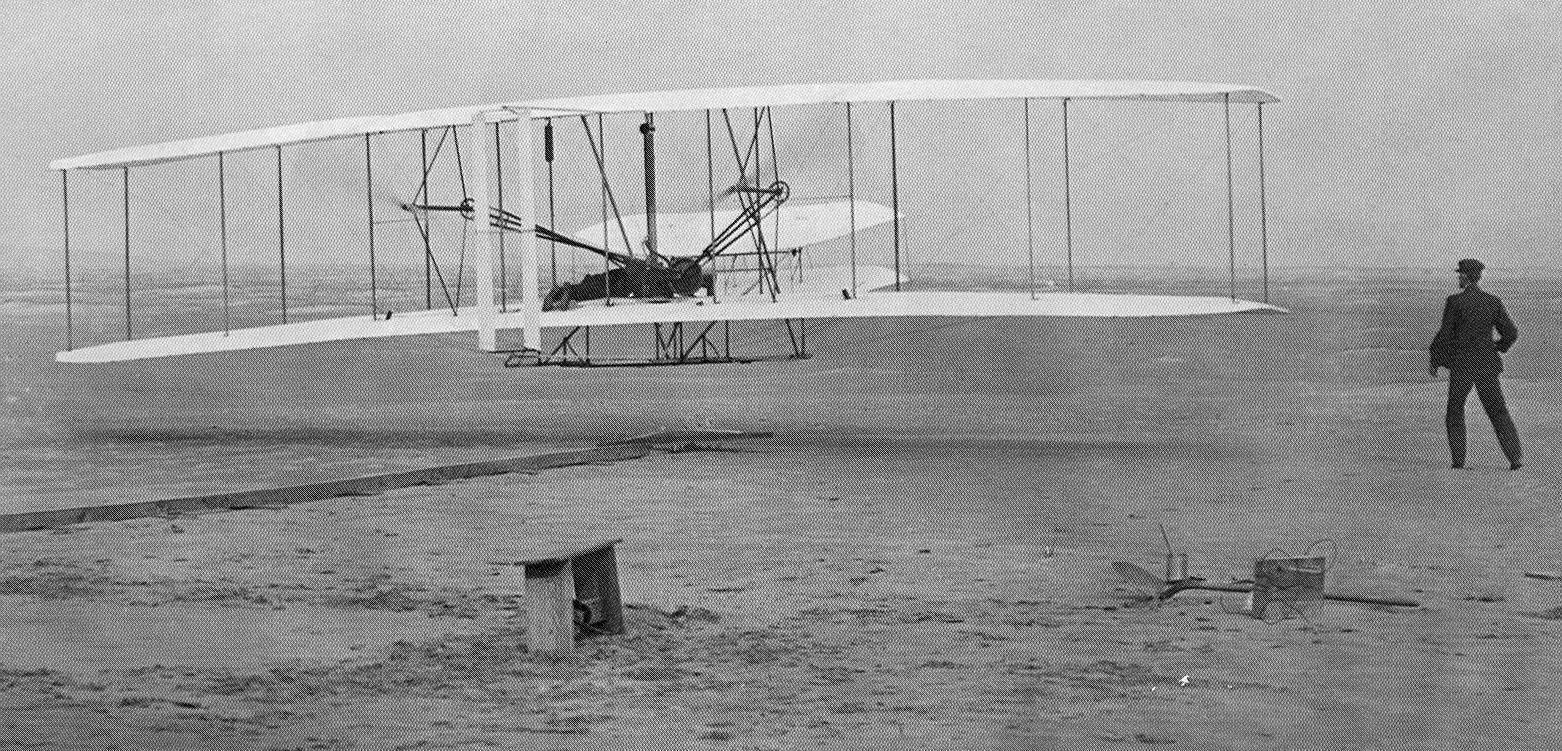
Once that initial threshold was crossed, technical improvements and advancements in aviation quickly came from all directions.
The US Navy Has a Long Tradition of Being Early Adapters of New Technology
The US Navy has long tradition of being early adopters of new technology which might enhance the Navy’s mission in form or another. For example the US Navy was a very early adopter of Marconi’s invention of the radio, which the Navy quickly saw could be of great utility for ship-to-ship, and ship-to-shore communications. Their early adoption of radar is another example. Naval Aviation also fits this pattern. Several Naval officers quickly appreciated the possibility of being able to launch and recover aeroplanes from capital ships. These airplanes could act as long range open ocean scouts or as naval artillery spotters for battle ships or cruisers.
The World’s First Airplane Takeoff from a Capital Ship – 1910
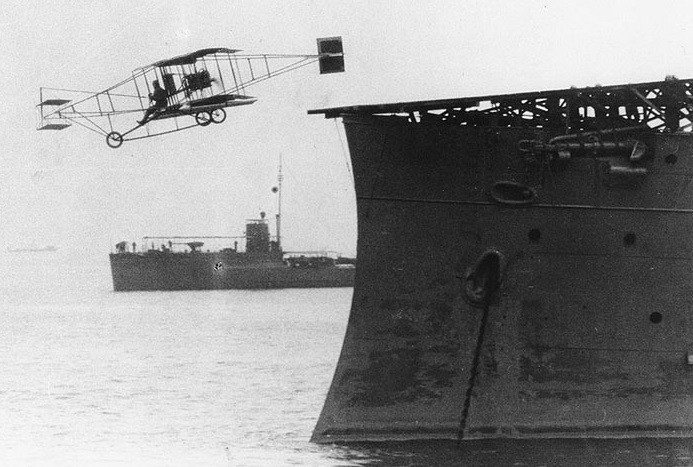
On November 14th, 1910, Eugene Burton Ely was the first pilot to take off from a capital ship. He flew a Curtiss pusher plane from a temporary 83 foot long platform erected over the bow of the light cruiser USS Birmingham at Norfolk Naval Yard.
The World’s First Airplane Landing on a Capital Ship – 1911
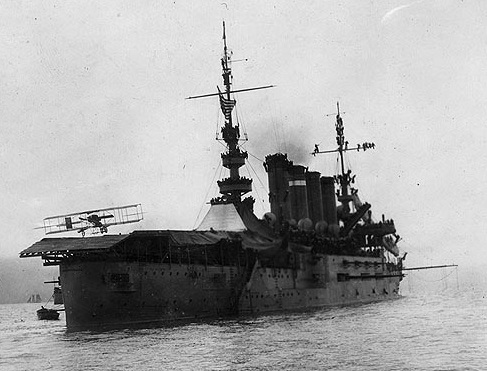
Two months later, on January 18th, 1911, the same Mr. Ely was also the first pilot to land the same Curtiss pusher airplane on a platform on the Cruiser USS Pennsylvania, which was anchored in San Francisco Bay at the time (note the upslope on the landing deck to help stop the plane).
The World’s First Naval Ship Launched Air Attack – 1914
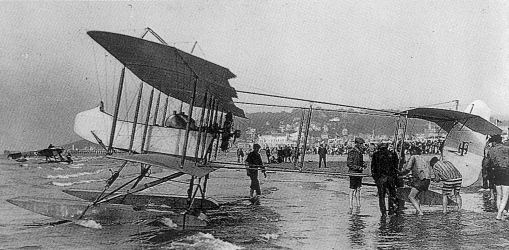
The world’s first Naval ship launched air raid occurred on September 5th in 1914. The Scottish built Russian freighter Lethington had been captured by the Japanese during the Russo-Japanese war in 1905, and they converted it into the Imperial Japanese Navy’s seaplane carrier Wakamiya, which did not have a flight deck or a catapult. The four French designed, but Japanese built, Maurice Farman Seaplanes were lowered into the water by crane, and then took off from the water.
On September 5th, in the opening months of World War I, the Imperial Japanese Navy launched these 4 seaplanes on a bombing raid from Kiaochow Bay off the Qingdao Peninsula of Shandong Province, on the coast of China. The planes attacked the Austro-Hungarian cruiser Kaiserin Elisabeth and the German gunboat Jaguar in Qiaozhou Bay. Neither ship was actually hit by the bombs dropped. Note that the officers of the Imperial Japanese Navy were also early adopters of Naval Aviation.
The First Sinking of a Ship by an Aerial Torpedo – 1915
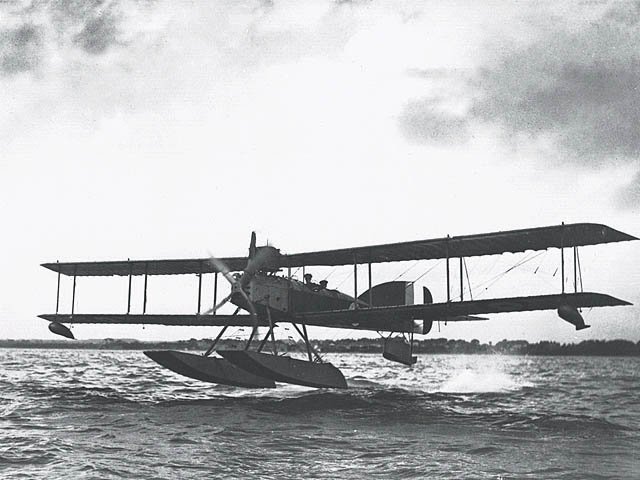
On August 12th, 1915, during the WWI’s Dardanelles Campaign at Gallipoli, Royal Naval Air Service Flight Commander C. H. K. Edmunds was flying a Short Type 184 seaplane with a 14 inch torpedo slung under its fuselage. He released the torpedo from an altitude of 15 feet, and at a range of 300 yards. The ship was a 5,000 ton Ottoman (Turkish) cargo ship, which was hit abreast the mainmast, and it sank. Over the next several weeks, Edmunds hit two more Ottoman ships, one of which was sunk.
One of Edmund’s countrymen, flight lieutenant G. B. Dacre was forced to land on the sea near an enemy hospital ship because of engine trouble. He persuaded the ship’s crew that he was a friend with a friendly wave of his hand. His engine was working well enough to taxi, so he headed away taxiing on the surface of the water. He spotted and approached a large steam tug. He lined his airplane up on it and released his torpedo while floating on the water, and scored a hit! He then came under rifle fire, but was able to take off in his newly lightened plane after a two mile run, and he successfully returned to his base. The tug sank.
Billy Mitchell – The Aerial Bombing & Sinking of Capital Ships Demonstrated Repeatedly – 1921:
In February 1921, at the urging of William “Billy” Mitchell, who was anxious to test his theories of destruction of ships by aerial bombing, Secretary of War Newton Baker and Secretary of the Navy Josephus Daniels agreed to a series of joint Army-Navy exercises, known as Project B, to be held that summer in which surplus or captured ships could be used as targets.
Mitchell infuriated the Navy by claiming he could use aerial bombers to sink ships “under war conditions”, and boasted he could prove it if he were permitted to bomb captured German battleships. The Navy reluctantly agreed to the demonstration after news leaked out that it had done tests of its own using naval aircraft dropping dummy sand bombs on the ships.
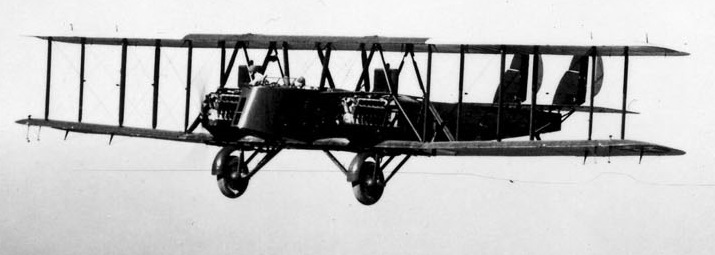
On May 1st, 1921, Mitchell assembled the 1st Provisional Air Brigade, an air and ground crew of 125 aircraft and 1,000 men at Langley Field in Hampton, Virginia, using six squadrons from the Air Service. Mitchell took command on May 27th after testing bombs, fuses, and other equipment at Aberdeen Proving Ground and began training in anti-ship bombing techniques. Alexander Seversky, a veteran Russian pilot who had bombed German ships in the Great War, joined the effort, suggesting the bombers aim near the ships so that expanding water pressure from the underwater blasts would stave in and separate hull plates. Further discussion with Captain Alfred Wilkinson Johnson, Commander, Naval Air Force U.S. Atlantic Fleet aboard USS Shawmut, confirmed that near-miss bombs would inflict more damage than direct hits; near-misses would cause an underwater concussive effect against the hull.
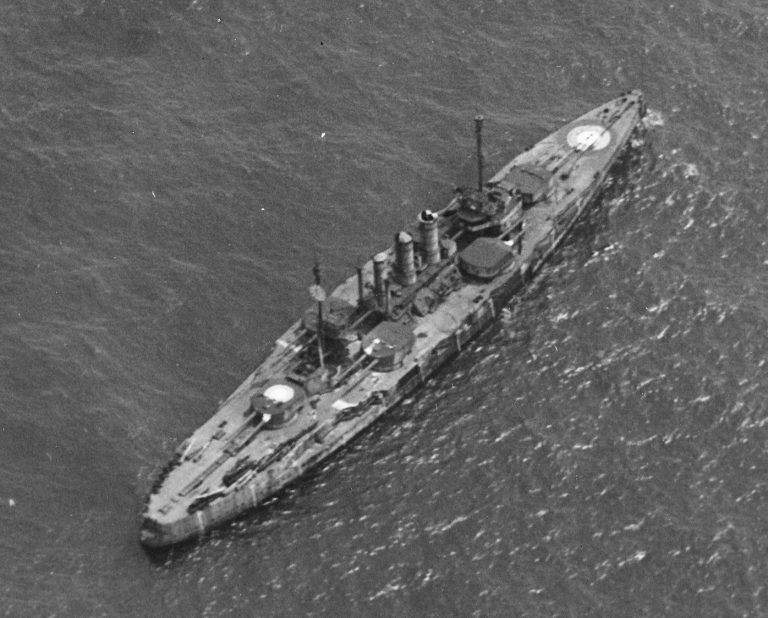
Billy Mitchell’s planes sank the German battleship Ostfriesland on July 21st, 1921.
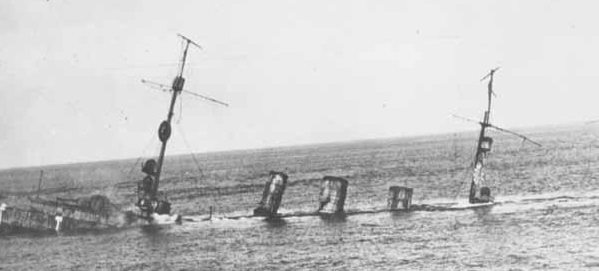
Mitchell held to the Navy’s restrictions for the tests of June 21st, July 13th, and July 18th, and successfully sank the ex-German destroyer G-102 and the ex-German light cruiser Frankfurt in concert with Navy aircraft. On each of these demonstrations the ships were attacked from Army Air Corps Martin MB-2 twin-engine bombers using high explosive demolition bombs.
Taranto, Harbor – British Carrier Launched Aerial Attack on The Italian Fleet in Actual Wartime Conditions – November 12th, 1940
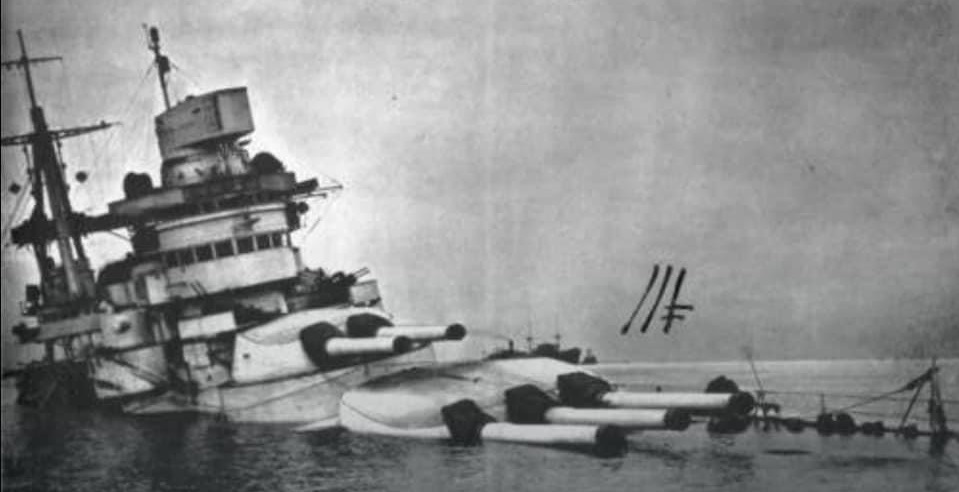
The Battle of Taranto took place in 1940, on the night of November 11th and 12th during the Second World War. The battle was fought between the British Royal Navy forces of Admiral Andrew Cunningham and the Italian naval forces of Admiral Inigo Campioni. The Royal Navy launched the first all-aircraft ship-to-ship naval attack in history. Winston Churchill‘s Navy, launched 21 antiquated but effective slow-flying, cloth-covered, open cockpit Fairey Swordfish biplanes, 15 of which were armed with torpedoes from the British aircraft carrier HMS Illustrious located 150 miles south of the Italian harbor in the Mediterranean Sea. On the way in the British plane had to fly along the coast of the heel of the Italian peninsula.
As part of their defense of Taranto harbor in southern Italy, the wily Italians had mounted microphone based listening posts along their southern coast. The approach of the British biplanes was detected and the harbor defenders were thus on alert prior to the arrival of the air attack on their capital ships. In that sense the Battle of Taranto Harbor was a prelude to electronic sensor rich battlefields of today.
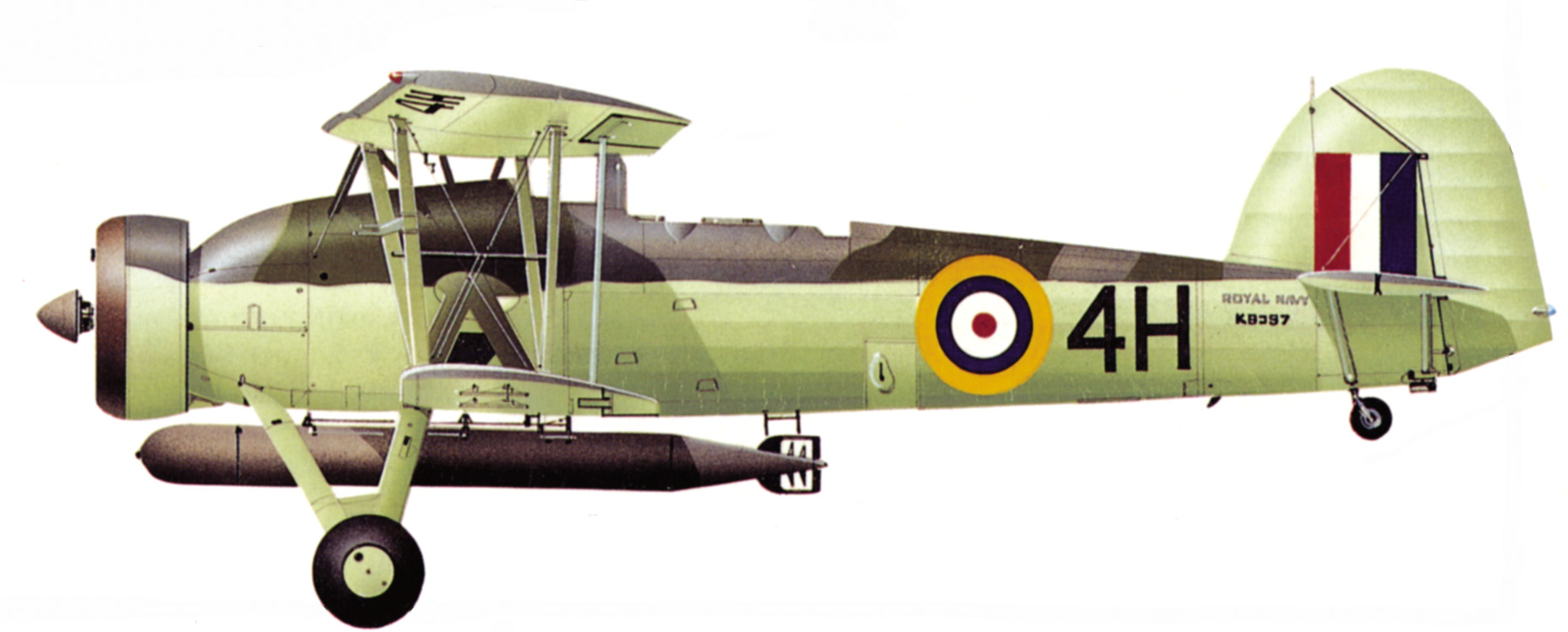
The attack struck the battle fleet of the Italian Regia Marina while it was at anchor in the harbor of Taranto. The British used aerial torpedoes, despite the shallowness of the water. Three Italian battleships were severely damaged.
The success of this attack demonstrated the paradigm shift in naval warfare. The ascendancy of naval aviation over big gun battleships was thus, once again demonstrated to the world and confirmed.
Half a world away, the Imperial Japanese Navy (which had long been attuned to this reality) studied the attack closely, for reasons which would become apparent to the world just over 1 year later.
The Japanese Saw Further Than Western Naval Strategists
The period of rampant imperialism in western history began with the Portuguese navigator Vasco da Gama sailed past the southern tip of South Africa and on into the Indian Ocean to make landfall in India in 1498. It did not end until the end of the Second World War. That spirit of competitive imperialism was unequivocally the primary underlying cause of the First World War, as Barbara Tuchman decisively demonstrates in her renowned book The Guns of August.
Despite the knavish assertions of the progressive types that WWI was “the war to end all wars,” and despite the authors of the Versailles Treaty claiming that it would limit the military power build ups of aggressor nations, the clear-eyed and far-sighted Japanese naval officers got the most important naval lesson of WWI. That lesson was that the newly designed weapon system of the motorized, self-guided, gyroscopically-stabilized torpedo was the greatest “ship killer” yet devised and built. They also deduced that naval aviation which could deliver those torpedoes would be the next decisively important advance in the projection of naval power, and the key to that technology would be the mobile runways of fleet aircraft carriers.
Japan is an island nation, just as England is, and Japan adroitly understood that for an island nation to be an imperial great power, it needed a powerful navy. During the period of time between the first and second world wars, the Japanese Imperial Navy did its homework.
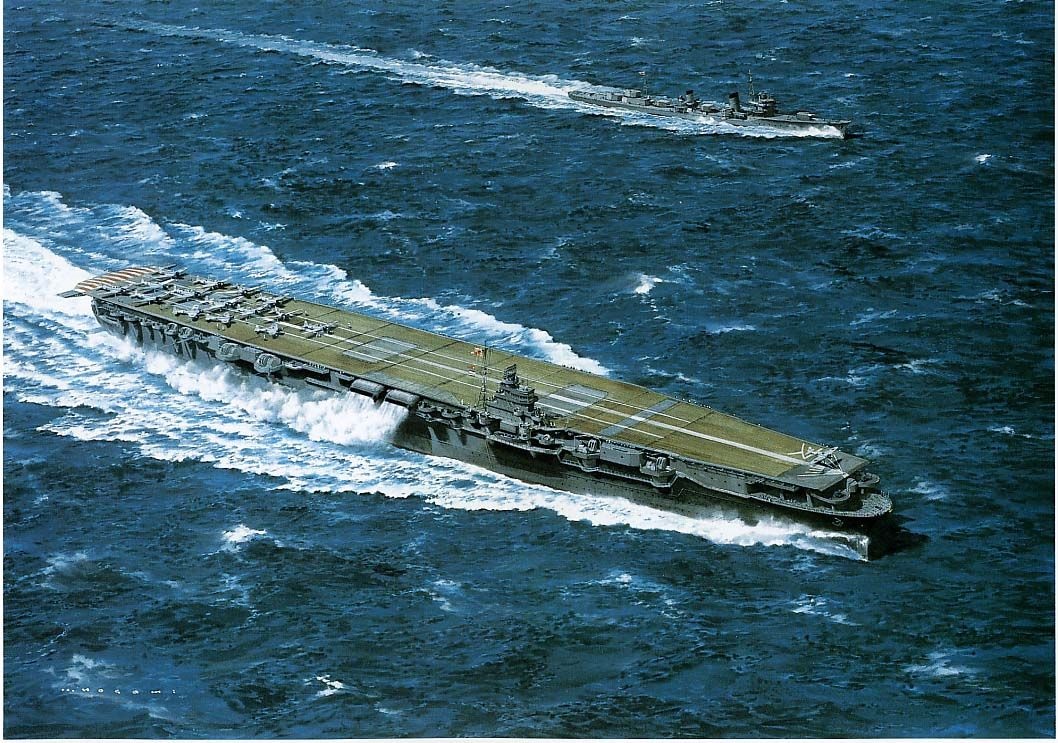
At the outbreak of World War II, the Japanese Imperial Navy had 10 full-sized fleet aircraft carriers, and numerous smaller “jeep” light support type aircraft carriers. The Americans only had three. Furthermore, the Japanese had the world’s best, most reliable and fully developed torpedo, their Type 93, Long Lance Torpedo. They had also developed a fully modern array of carrier launched-aircraft, which included the Nakajima B5N, “Kate” torpedo bomber, and they had well-trained pilots and crewmen to deliver that weapon to their enemy’s dismay.
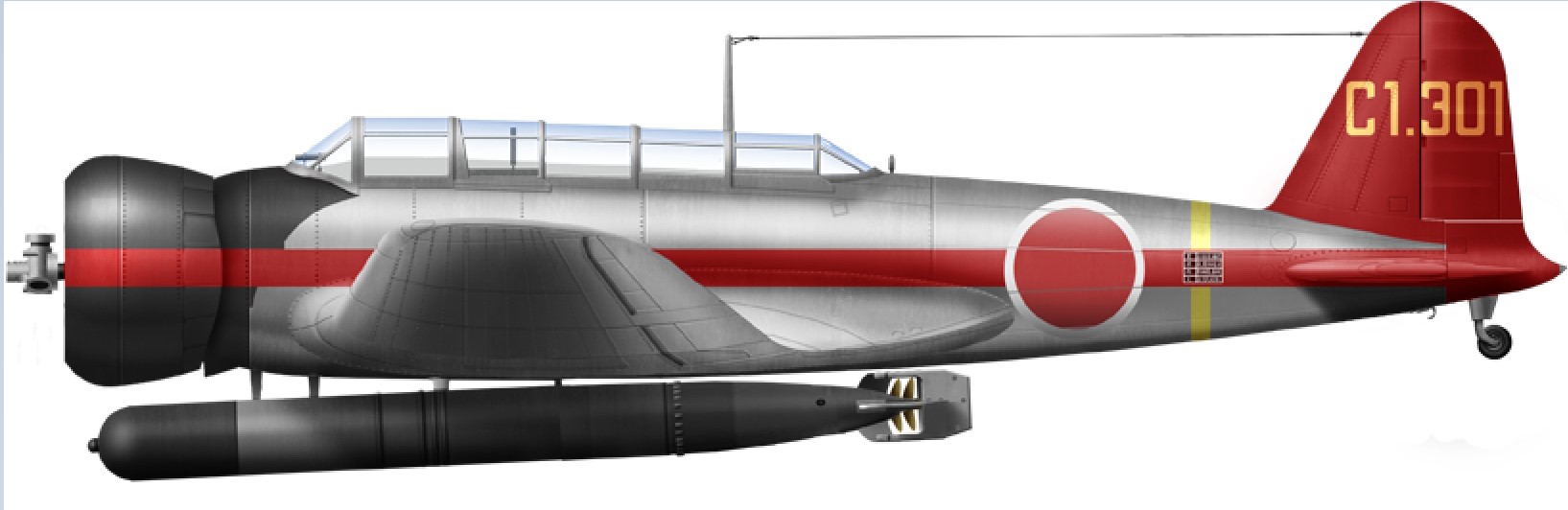
When Japan’s brilliant admiral, Isoroku Yamamoto planned his attack on the US battle fleet moored in Pearl Harbor, Hawaii he had all the details of the British Royal Navy’s successful attack on the Italian fleet moored in Taranto harbor the previous year.
The definitive final proof of the value of naval aviation was world’s first aircraft carrier fleet versus aircraft carrier fleet sea battle. The Battle of the Coral Sea, fought from the 4th to 8th of May in 1942, was a significant naval engagement during World War II between the United States and Japan. It marked the first major battle in which aircraft carriers engaged each other without the opposing fleets ever directly sighting one another. The Americans sank the Japanese light carrier Shoho, and the Japanese forces sank the USS Lexington and severely damaged the USS Yorktown, two of America’s three Pacific Ocean aircraft carriers.
Though the Japanese won the battle, the events of those four days resulted in Japan abandoning their planned to invasion of Port Moresby in Southern New Guinea. That campaign was to have been Japan’s prelude to their invasion of Australia.
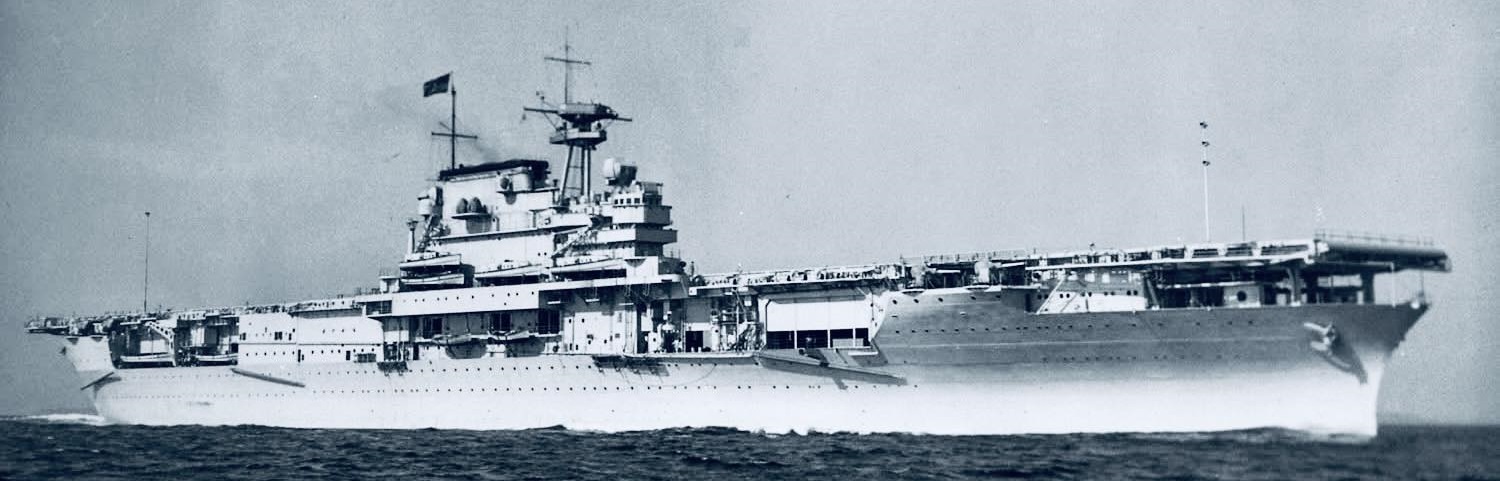
By the end of the war American industry had produced and put into action 26 fast, full sized, new generation aircraft carriers. The final US aircraft carrier commissioned during the WWII the USS Antietam (CV-36) which pioneer an angled flight deck which allowed the ship to have aircraft takeoffs and landings occurring simultaneously.
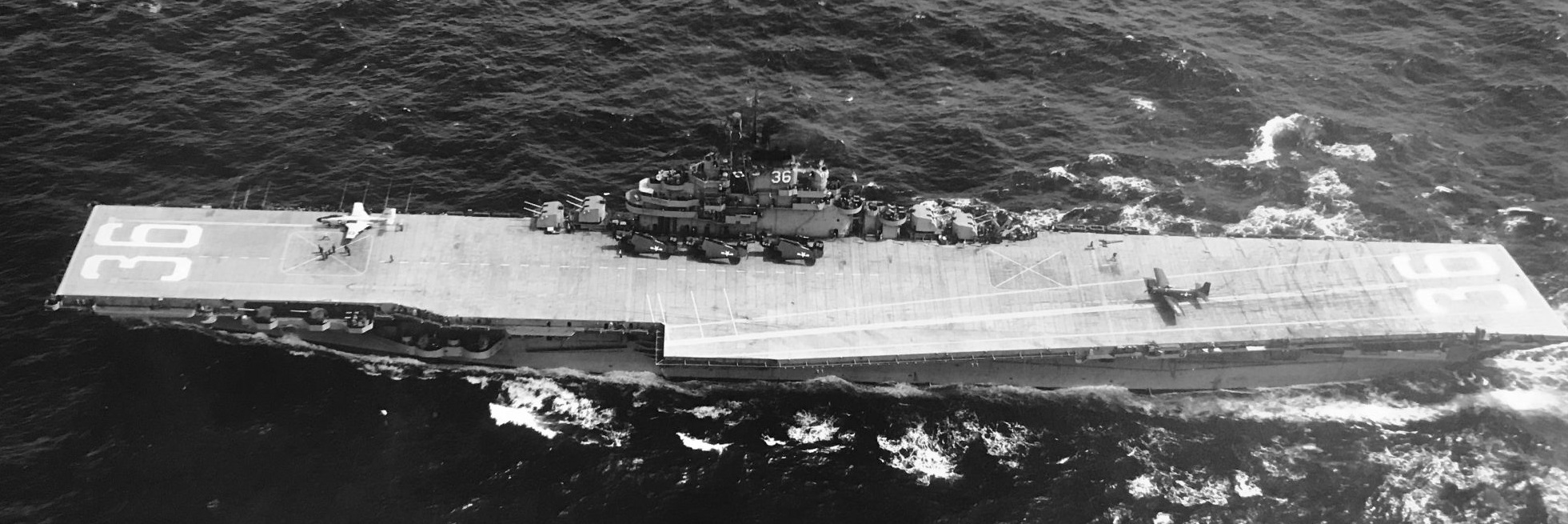
The former pride of the Navy, the big gun battleships were obsolete and only useful for coastal bombardment missions.