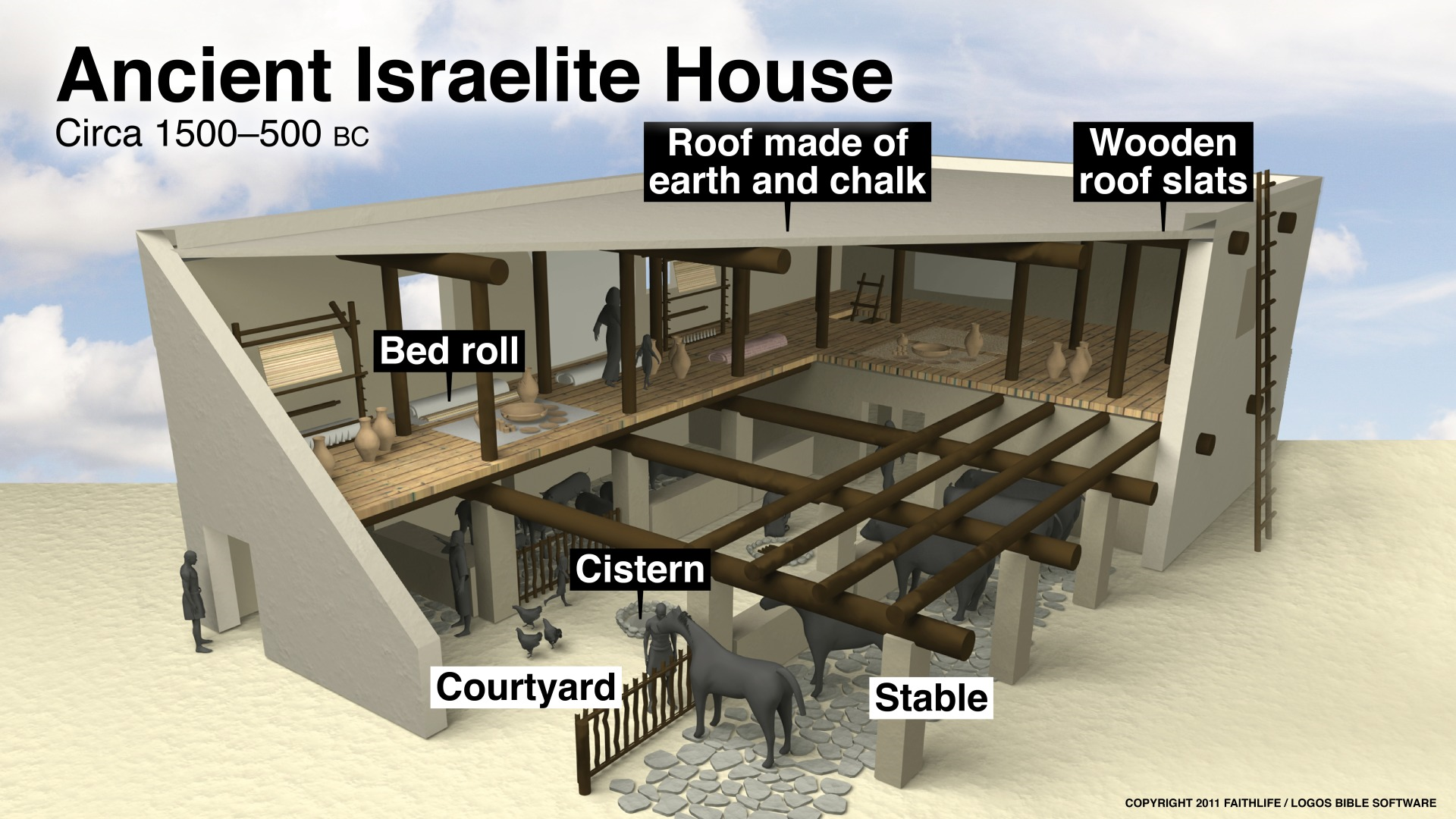
After the Presentation of the Christ and the Purification of the Mary, Joseph, Mary and Jesus then fled to Egypt, where they stayed until the Romanized Jewish King Herod had died. After Herod’s death it was then safe for them to go home to Nazareth in the province northern of Galilee, where Jesus was raised and learned his trade as a carpenter.
The Romanized Jewish king, Herod the Great, died in 4 BC, so the stay of Joseph, Mary and Jesus in Egypt was not a long one. As soon as word of Herod’s death arrived in Egypt they made their way back home to Nazareth, in the province of Galilee.
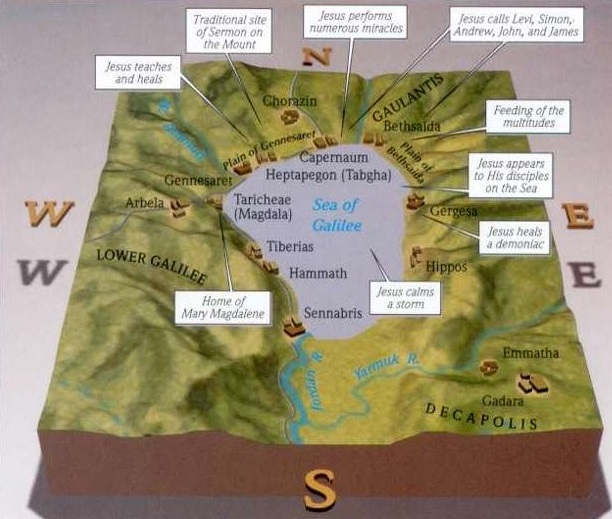
Galilee was about one week’s walk from Jerusalem, where Joseph, Mary and their extended families would journey three times a year to attend the mandatory pilgrimage festivals (required for devout Jews) and to worship God at the temple. Those three festivals are:
1. The Festival of Passover, when the devout remember that the divine angel of the death of all the first born ordained by God passed over the households of the Jews in Egypt who had invoke the blood of an unblemished lamb.
That event was of course a foretype of the Lamb of God, Jesus Christ’s personal sacrifice on the cross for the sins of the whole world on Good Friday.
2. The Festival of Shavuot, also known as the Festival of Weeks, or Pentecost, which occurs 49 days, or 7 sevens, or a Sabbath of Sabbaths after the Passover remembrance.
This festival is an annual remembrance of the grace of God to Israel when He gave the Israelites the Mosaic Law. Though some modern Christians emphasize God’s grace to us and contrast that divine grace against the “tough taskmaster of the law,” they forget that Jesus said:
“Do not think that I came to destroy the Law or the Prophets. I did not come to destroy but to fulfill.” (Matthew 5:17)
God’s law is also a form of grace to his people. As Robert Frost said:
“Good fences make good neighbors.”
The Mosaic Law provided Israel with guardrails, and Shavuot (or Pentecost) is the annual festival where they give thanks to God for that grace.
This ancient festival is also a foretype of the descent of the Holy Spirit upon the nascent Christian church in Jerusalem. The Holy Spirit who indwells the Christian believer during the sacrament of baptism is the transcendental and personal sustainer and sanctifier of the Christian life of each believer. With the indwelling of the Holy Spirit in our lives, we each become living temples of God and at the same time His law is written on our hearts.
3. The eight day long Festival of Sukkot, is also know as the Festival of Tents or the Festival of Booths. Sukkot is the annual remembrance of the time when the refugees from Egypt wandered the desert and lived in tents, and they were utterly dependent on God’s providence for their daily survival in that inhospitable land.
This ancient festival is also a foretype of the Christian understanding of God’s presence among His people and symbolizes the idea of dwelling with God, which Christians believe is fulfilled in Jesus Christ. It represents themes of gratitude, deliverance, and the hope of eternal life with God.