
It will no doubt seem odd to most readers and especially to my Christian readers to learn that the worship of God is not a matter of personal choice, style or preference.
However if one pauses to connect the dots, that reality will become inescapably obvious. To begin with, God is ineffable. He is beyond description or knowing in any real or true sense of one being able to “know” Him.
As living persons, we (His creations) are actually quite finite, and quite fragile. Our choices of style and expression are limited. Our unexamined thoughts are barely worth thinking.
Since the Western Reformation and the subsequent Enlightenment, the prevailing fashion of enlightened thinking has been all about the importance of rugged individualism and personal choice. Being able to do my thing, “my way.” Such unrelenting individualism has little or no place in the transcendent reality of our real lives. Facts don’t care about our feelings.
Here’s the Shocker
God not only desires for us to worship Him, but He told us how to do it. While particular elements of that worship pattern changed significantly after the events of the sacrifice and atonement of Jesus the Christ, the basic form of how God instructed us to worship Him has not.
When!? When Did God Tell Us How to Worship Him!?
That narrative begins over three millennia ago. It is embedded in the last four books of the Pentateuch, the first five books of The Bible which were all written by Moses.
We modern Christians don’t really routinely or carefully read the Old Testament, especially the often tedious books of the Pentateuch. As a rule we are only familiar with a relatively small list of important portions of the Old Testament.
God Brought His People Out of Egypt to Worship Him
The ancient Jewish pattern for worshiping God was established by God, during the early desert-wandering stage of the exodus of the Jews from their captivity in Egypt.
Eight times in the Book of Exodus Moses tells Pharaoh “Let My people go, that they may worship Me.” Some verses translate that Hebrew verb as to “serve Me,” or even to “sacrifice for me.” The meaning is the same, worshiping God is service to God, and that involves a sacrifice to God.
God freed his people from the tyrant who had arisen and who chose to enslaved them. Much of the 430 years Israel spent in Egypt the Israelites prospered. However that changed when a new Pharaoh arose who decided to enslave the Israelites and made them do hard labor for him without any pay or much provision.
God saw the travails of His people, and He ordained the outlaw Moses as his agent to bring His people out of slavery. As a result of this mercy on God’s part the people of Israel transitioned over the next two generations from being a tribal people to becoming a nation and actually inhabiting the land of Canaan.
However God did not do this magnificent act to give his chosen people personal freedom or individuality. He did it so they could worship Him. Unsurprisingly, He did not leave them to make up their own version of worship or to establish some spontaneous and extemporaneous form of prayer to him. God gave specific and detailed instructions to Moses to establish a particular structure, form and pattern of their worship of Him.
At the Base of Mount Sinai God Spoke Directly to his People
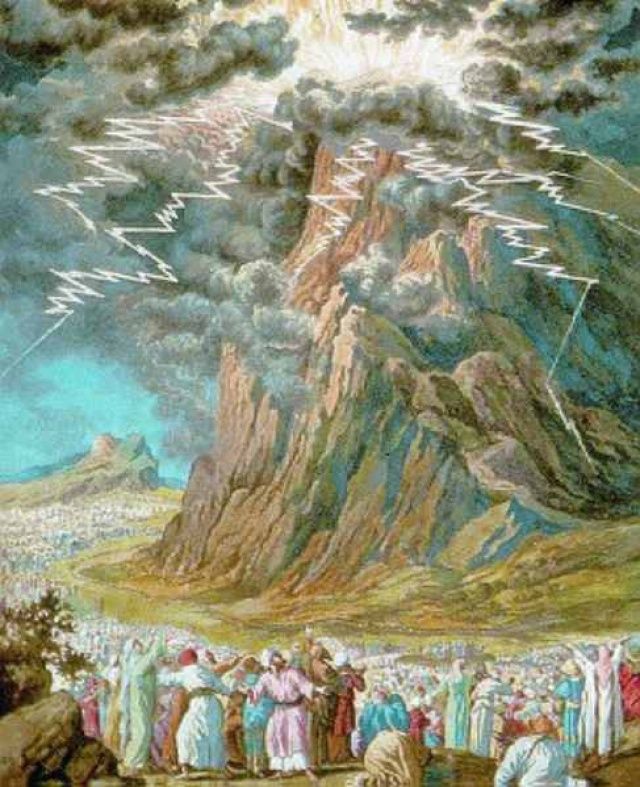
As soon as the Jewish refugees arrived at the base of Mount Sinai, where God had appeared to Moses in the form of a burning bush, God spoke to Moses. When the refugee Israelites had cleaned themselves up and prepare their hearts to listen to God, He spoke directly to them. He recited His Ten Commandments to them directly(Exodus chapter 20). This event most likely happened around 1250 BC, a generation or two prior to the Late Bronze Age Collapse.
God Then Called Moses Up the Mountain
When God called Moses up the mountain, He gave him complete and detailed instructions – including His desired pattern for their worship of Him. In the forty days Moses was on the mountaintop with God, God gave him the complete details of His Law. The Jewish rabbis tell us they have counted a total of 613 laws. Moses spent the rest of his life writing everything down as God had presented it to him, and that became the Pentateuch, the beginning of the Bible. As a clear statement of the importance of God’s law, a copy of that law was placed in the Ark of the Covenant(Deuteronomy 31:26).
God Also Gave Moses His Divine and Exact Plan for His Tabernacle and His Priesthood
The law that was given to Moses (and Israel) did not just include the Ten Commandments. It also included the extensive and divine instructions to Moses which detailed exactly how the Jews were to build his mobile church tent-building (The Tabernacle) and how to equip the tabernacle with an altar and altar implements so the priests and the people of Israel could worship God in a way which was pleasing to God.
Further, God gave Moses specific instructions regarding The Aaronic Priesthood, including specific restrictions regarding who was allowed to become a priest, and thereby to serve God in the priestly office, and to approach His Holy altar. Moses was also given detailed instructions about the vestments to be worn by those priests when they served God at that altar.
Finally, and more important to this narrative, God gave Moses the form and pattern of the worship the Jews were to perform to God. This form or liturgy did not just included the instructions regarding sacrificial offerings to be made to God. It also included God’s instructions to Moses regarding how we, the people of God (and our priestly intercessors) should approach God in worshiping Him, at His alter, in beauty and in truth.
As It Is In Heaven
The divinely ordained pattern of worship was and is modeled on the pattern of worship that is practiced in Heaven. Earthly worship is to be “as it is in heaven.” The biblically ordained model of earthly worship to God is clearly modeled after the scripturally revealed descriptions of worship to God in heaven which are provided for us in the first chapter of Ezekiel, Isaiah chapter 6, and Revelation chapters 4 & 5.
God ordained exactly how His people were to go about worshiping Him (the exact order and sequence of service and sacrifice to God), the Liturgy of the Tabernacle. God’s was immediately present with his people, in His Arc of the Covenant, in His tabernacle.
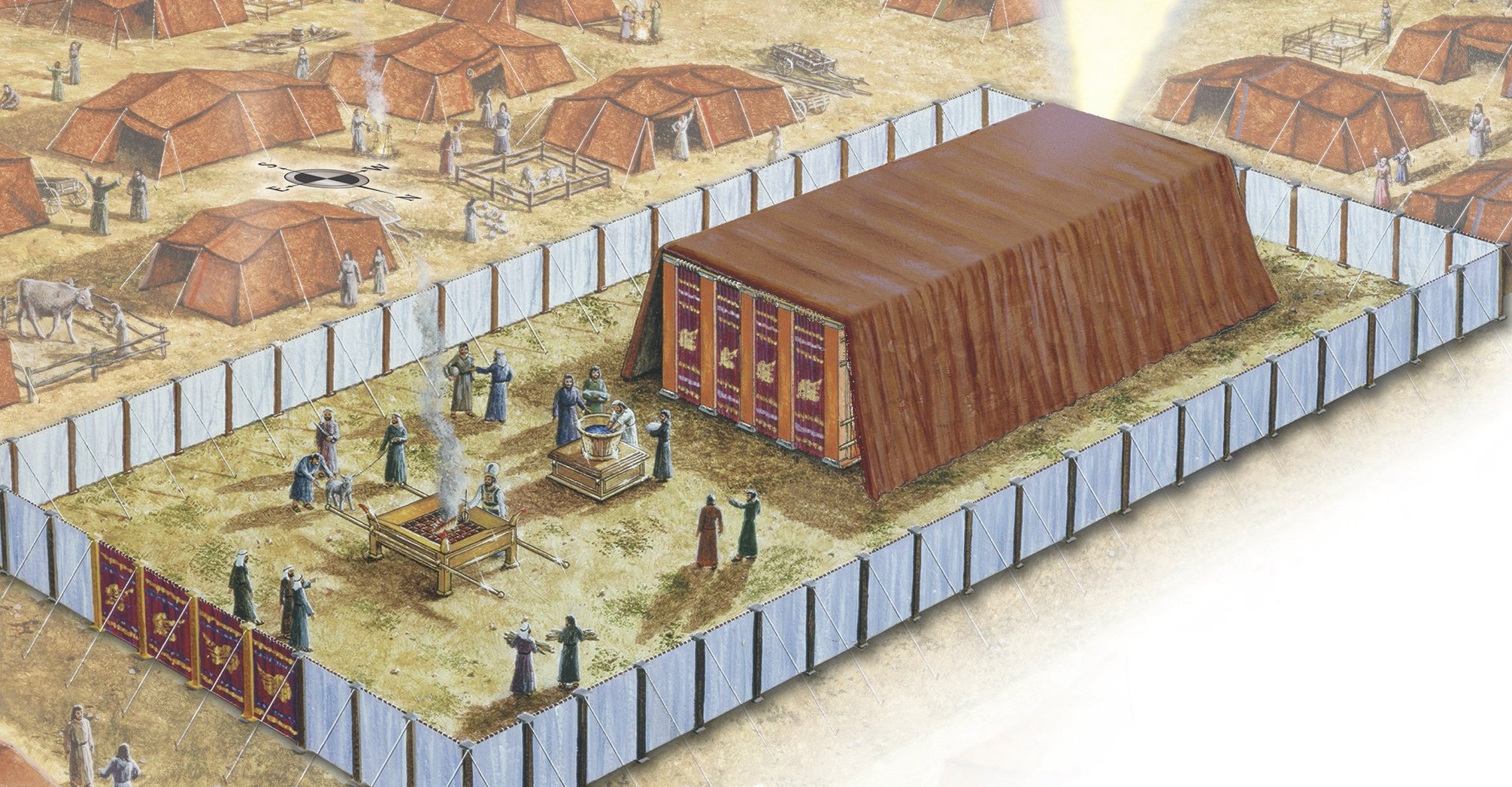
The Particularity of God’s Instructions to US
God was, and is, clearly quite particular about church architecture and design. He is also very specific about who is eligible for priestly ordination, and the specifics of priestly vestments and polity. It is equally clear that He is particular about order, content and patterns of proper worship to Him, that is to say that He seems to care, a lot about His Holy Liturgy.
After God Led Israel Into the Promised Land, He Instructed Solomon About How to Build His Temple in Jerusalem
Many generations after Israel inhabited Canaan, God instructed King Solomon about how to build Solomon’s Temple and He ordered that when it was completed, that the Ark of the Covenant was to be placed in the Holy-of-Holies in the inner portion of the Temple. The Liturgy of the Tabernacle was slightly modified to become the Liturgy of the Temple.
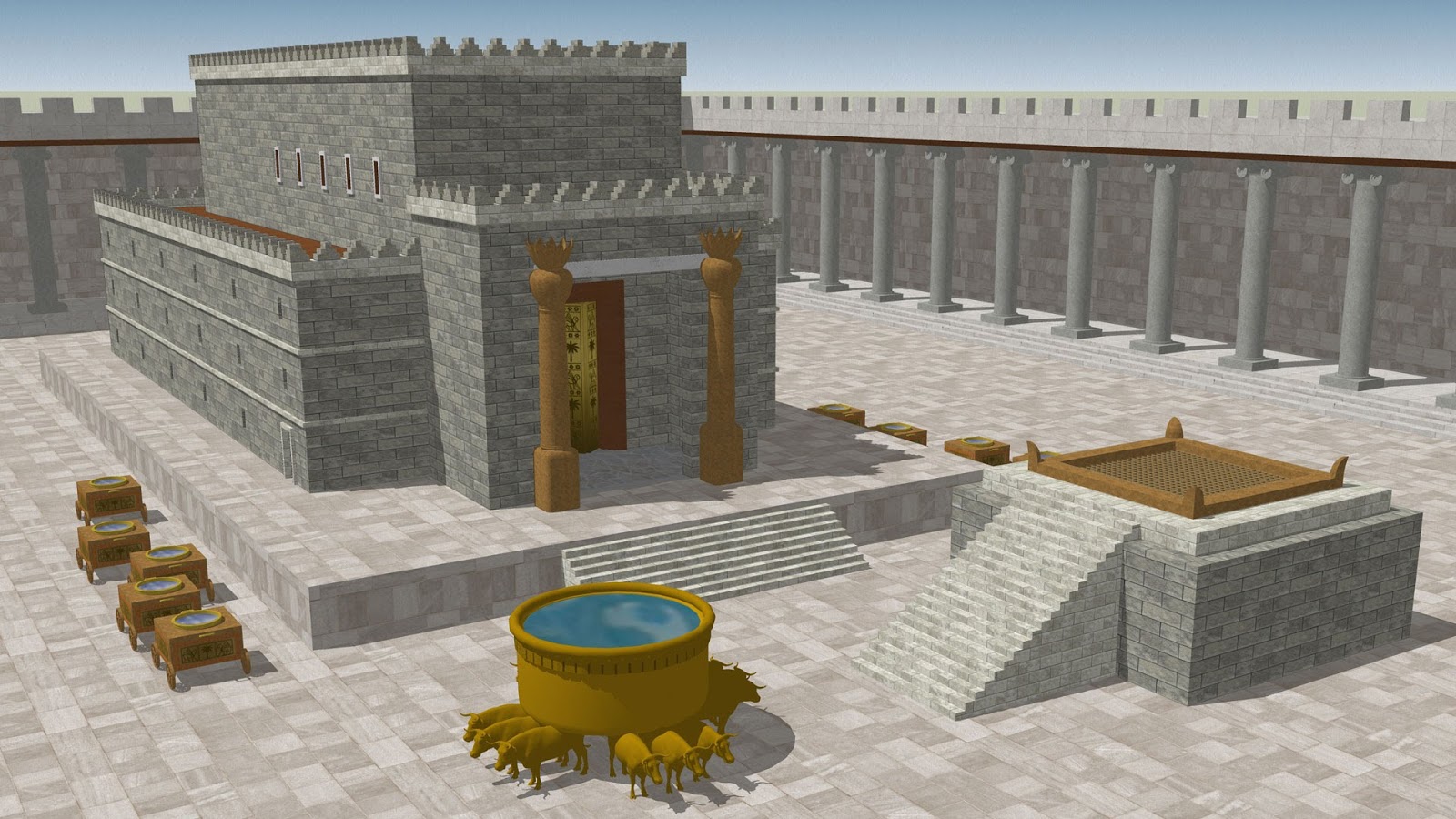
As had been true with the tabernacle, God was always present with his people in His Holy temple in Jerusalem, within the Arc of the Covenant in His temple (and beyond).
The Needs of the Diasporic Jews
The book of Numbers catalogs a census of the Jews taken at the time of their exodus from Egypt and it records some 650,000 military age males, which equates to two or three million people.
A Roman census at the time of the birth of Christ reports that there were roughly 45 million inhabitants in the Roman empire and 4.5 million of those inhabitants were Jews living somewhere within the Roman Empire. Roughly 500,000 lived in the Levant (the area of modern-day Palestine), so there were roughly 4 million diasporic Jews living in various other locations around the Roman Empire. There were also substantial numbers of Jews living outside the Roman Empire, for example some 2 million previously exilic Jews still living around Babylon and elsewhere in the Parthian Empire.
These diasporic Jews worshiped God on the Sabbath in Synagogues. The Jewish Liturgy of the Synagogue was developed for Jews who couldn’t make it to the Temple in Jerusalem to regularly to worship God. Esther and Mordecai lived in the Persian capital of Susa. Saul of Tarsus, was born and raised in the diasporic community in the city of Tarsus in coastal Provence of Cilicia (in the southern region of modern-day Turkey). Mark who wrote the Gospel According to Mark was born and raised in the Jewish diasporic community in Cyrene (located on the coast of Northern Africa, between modern-day Egypt and Libya). These are each scriptural examples of diasporic Jews who all lived well outside the Holy Land. The Liturgy of the Synagogue was presumably developed sometime not long after the Jews entered the promised land and occupied Canaan.
The Typical Order of the Ancient Jewish Liturgy of the Synagogue Involved:
1 – The opening prayer of the Keriath Shema (“Hear, O Israel, the L-rd is our G-d; the L-rd is One. Blessed be the glory of His kingdom forever and ever. . . “).
2 – Chanting or singing of one or more of the psalms written by King David; most of which were most likely written to be proclaimed during the liturgical worship services of the day.
3- The reading of the Ten Commandments.
4- Readings from the Law and the Prophets.
5 – Addition standardized (non-extemporaneous) prayers prayers were then offered by each reader.
6 – The Rabbi or an elder present would teach on the meaning of the reading.
7 – The parting benediction of Aaron, and an Amen.
Scriptural Basis of the Benediction of Aaron(Numbers 6:22-26)
22And the Lord spoke to Moses, saying: 23“Speak to Aaron and his sons, saying, ‘This is the way you shall bless the children of Israel. Say to them:
24 “The Lord bless you and keep you;
25 The Lord make His face shine upon you, And be gracious to you;
26 The Lord lift up His countenance upon you, And give you peace.” ’
Notice that again, in this passage, God is quite specific about the exact pattern and specific words He ordains His priests to speak during a worship service. This pattern of particularity is clearly perpetuated by Christ in the New Testament when when He tells his disciples to pray in the pattern given in The Lord’s Prayer(Luke 11:1-4 and in Matthew 6:9-13).
In the Gospel According to Luke Christ says: “When you pray, say:
Our Father in heaven, Hallowed be Your name.
Your kingdom come. Your will be done On earth as it is in heaven.
Give us day by day our daily bread.
And forgive us our sins,
For we also forgive everyone who is indebted to us.
And do not lead us into temptation,
But deliver us from the evil one(NKJV).”
In the Gospel According the Matthew Christ’s Preface states:
In this manner, therefore, pray:
The fact that in the New Testament Jesus is just as specific and particular as God was with Moses is a clear indication of the continuity between God’s detailed instructions to Moses and Christ’s similar instruction to his apostles and disciples. For further reading on this subject one start with Father Castellano’s book: As It Is In Heaven
The New Testament Followers of Christ Were All Jews
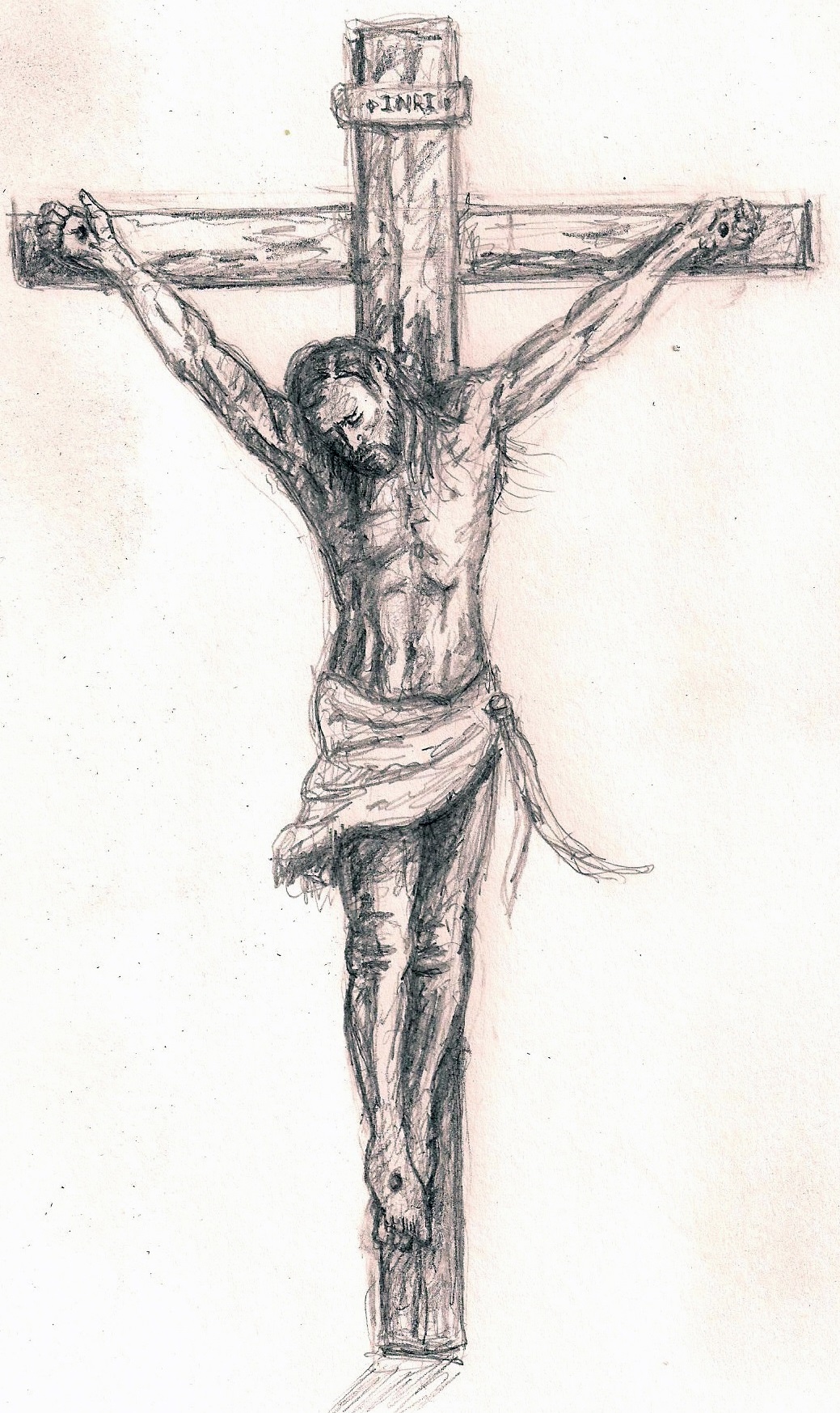
Jesus Christ and His chosen apostles and disciples were all Jews. They were presumably all quite familiar with God’s ordained Temple and synagogue worship patterns. Of course, the ancient practice of offering sacrifices of atonement to God was clearly completed when the ultimate sacrifice of atonement occurred on Mount Calvary, on that first Good Friday in AD 33 and the veil between the Holy Place in the Jerusalem temple and the Holy-of-Holies was “rent in twain from top to bottom(Matthew 27:51).”
Nascent Christianity
After all the important events in the spring of AD 33, there was an explosion in the membership of the nascent Christian Church during the Jewish Festival of Pentecost. Those events are described in detail in by Luke the early chapters of The Acts of the Apostles That burst caused the Apostles to begin the process of organizing the rapidly growing Church.
As word continued to spread beyond Jerusalem, the new Christians (as they began to be called by the Church in Antioch) regularly met in local synagogues, and their worship followed the liturgical pattern established by God through Moses and subsequently through the Aaronic priesthood to the time of Christ.
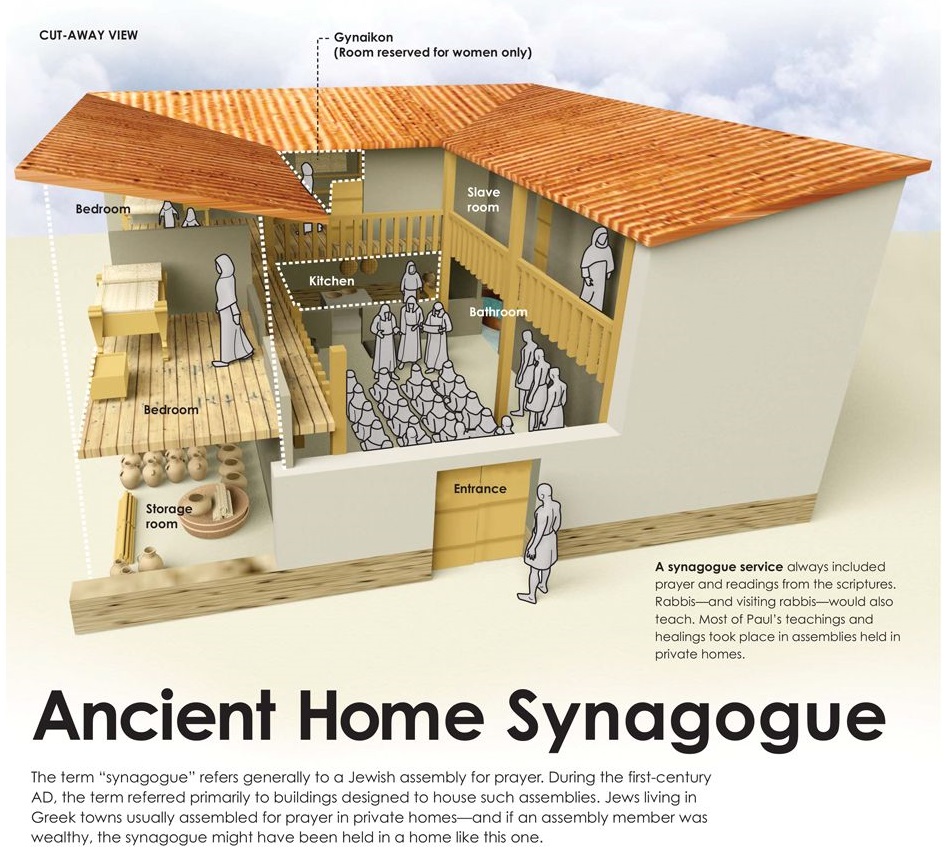
In the first century many rural area Jews met and worshiped God in home synagogues. The obvious conflicts between those Jews who did not accept that Jesus was God’s promised Messiah, and those who did, would naturally have led to a need for a separation between the two groups. The Christians, no doubt began to worship God in separate home synagogues (churches) which were becoming established in many of the communities in the Levant.
The Liturgy of Saint James, the Brother of Christ
The Liturgy of the Synagogue described above was modified into a new form appropriate for the worship needs of the new Christian churches. The earliest example of this new Christian liturgy is the Liturgy of Saint James. compiled by James, the Brother of Christ who had become the first Bishop of Jerusalem. This liturgy was known to be in use around AD 60, and it had almost certainly actually come into use much earlier. Though there is no specific historical record of it, the worship of formerly Jewish converts to Christ would have stimulated a modified liturgy almost immediately, that is around the later half of AD 33.
Summary of the Liturgy of Saint James
1 Worship service to God starts with readings from Scriptures which transitions from a reading from the Old Testament and a reading from the Psalms, and then a reading from the epistles, the Book of Acts and then one of the Gospels.
2. A sermon from the priest or the bishop directed to the catechumens (the not yet baptized new converts preparing to enter the church).
3. Dismissal of the catechumens for the service (they were not invited to observe the holy mysteries of the communion of the faithful with God).
4. A standardized prayer for the faithful (meaning baptized Christians).
5. The kiss of peace and words of greeting from the priest or bishop.
6. The washing of hands.
7. The offering of gifts to God.
8. The mystery of the Eucharist, including confessional prayer, preface; the Sanctus (Holy, holy, HOLY!); the words of institution; the anamnesis (remembrance of the dead); the epiclesis (invocation of the Holy Spirit); intercessory prayers for the church; for the living, and for the dead, preparatory prayers for communion, celebration of communion, and prayer of thanksgiving
9. The final Aaronic Blessing from the priest or bishop.
This Pattern was Modified Slightly by Various Early Christian Diocese
Other extant early liturgies existed. These include the Liturgy of Antioch, The Liturgy of Ephesus (developed by John the Apostle), which became the Gallican Liturgy (of Gaul or modern-day France which also became the Anglican Liturgy by AD 500), the Liturgy of Saint Gregory (the Roman Catholic Pope in AD 600), et cetera.
Suffice it to say that these highly structured forms of worship to God were maintained by the one, holy, apostolic and undivided Christian Church of the first thousand years of Christianity, and onward up through the disruptive period of the Restoration, and beyond.
This common form of worshiping God was and is an affirmation of the prayer of Christ found in the seventeenth chapter of the Gospel According to John verse 21:
“I do not pray for these alone, but also for those who will believe in Me through their word; that they all may be one, as You, Father, are in Me, and I in You; that they also may be one in Us, that the world may believe that You sent Me.”
“Now in the catholic church itself we take the greatest care to hold to that which has been believed everywhere, always and by all (ubique, semper, ab omnibus)” Vincent of Lerins, AD 434