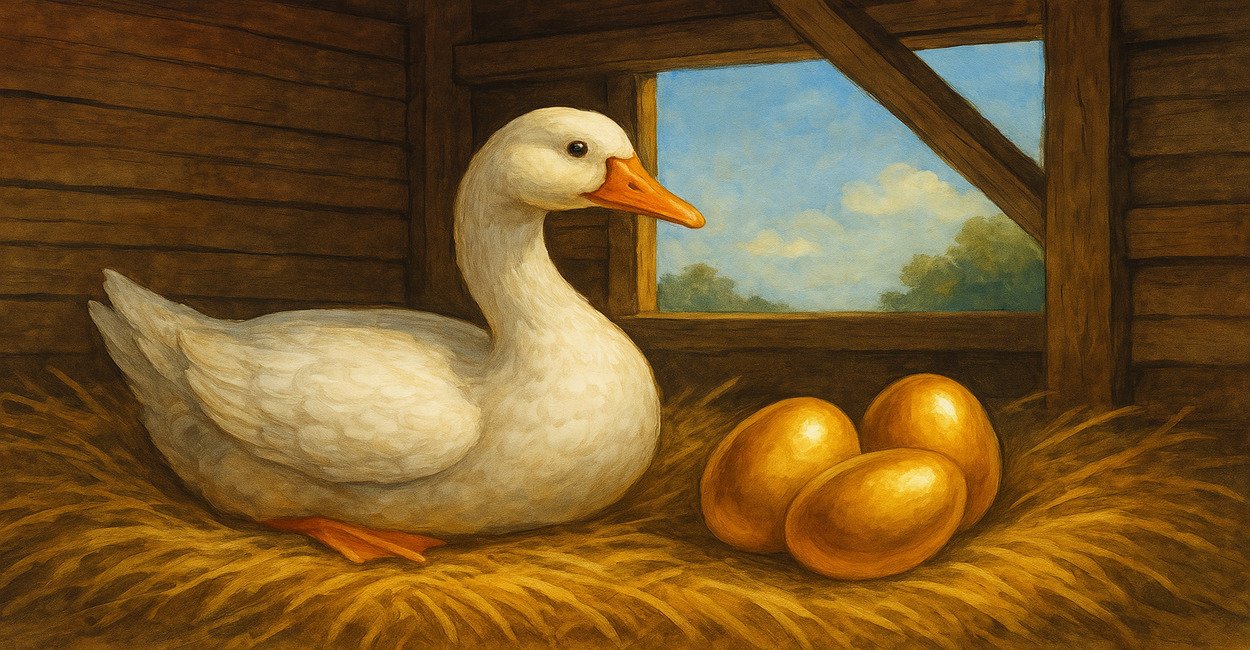

Good capitalism (market-price-based commerce) is exemplified in the narrative of Daniel Defoe’s book A Plan of English Commerce, where he adroitly gives the history of the true first industrial revolution in England. In deference to the later, more well known event that term is routinely used to describe, I will refer to the subject of Defoe’s essay as describing the Zeroeth Industrial Revolution in England.
During the English Wars of the Roses (which were fought between the extended royal family members of the House of Lancaster and those of the House of Plantagenet), a young boy named Henry Tudor was born in 1457. Henry was a twig on the Tudor branch of the Plantagenet family.

In 1473, when Henry was 16 years of age, he escaped from England with his uncle, Jasper Tutor, the Duke of Bedford, to live in exile with his uncle in Brittany (at the Château de Suscinio in Sarzeau), because a Lancasterian was in control of England. Brittany was a mostly independent territory in the northwestern region of the not yet truly consolidated nation which would later become France. They remained safe in Brittany for 11 years under the protection of Francis II, the Duke of Brittany.
In mid-1484 the new Yorkist (Lancasterian) king, Richard III of England, plotted to have Jasper & Henry kidnapped and returned to England so they could be executed.
Henry Became a Keen Observer of Flemish Prosperity
The timely aide of John Morton, the Bishop of Ely who was then himself in exile in Flanders, allowed them to escape to Brussels, the capital of Flanders, the Dutch speaking region of what would later become Belgium. There Henry, now at the age of 27, was hosted by his aunt, Margaret of York, who was also the Duchess of Burgundy.
Henry was both an intelligent and an ambitious young man who would over the next year go on to become King Henry VII of England.
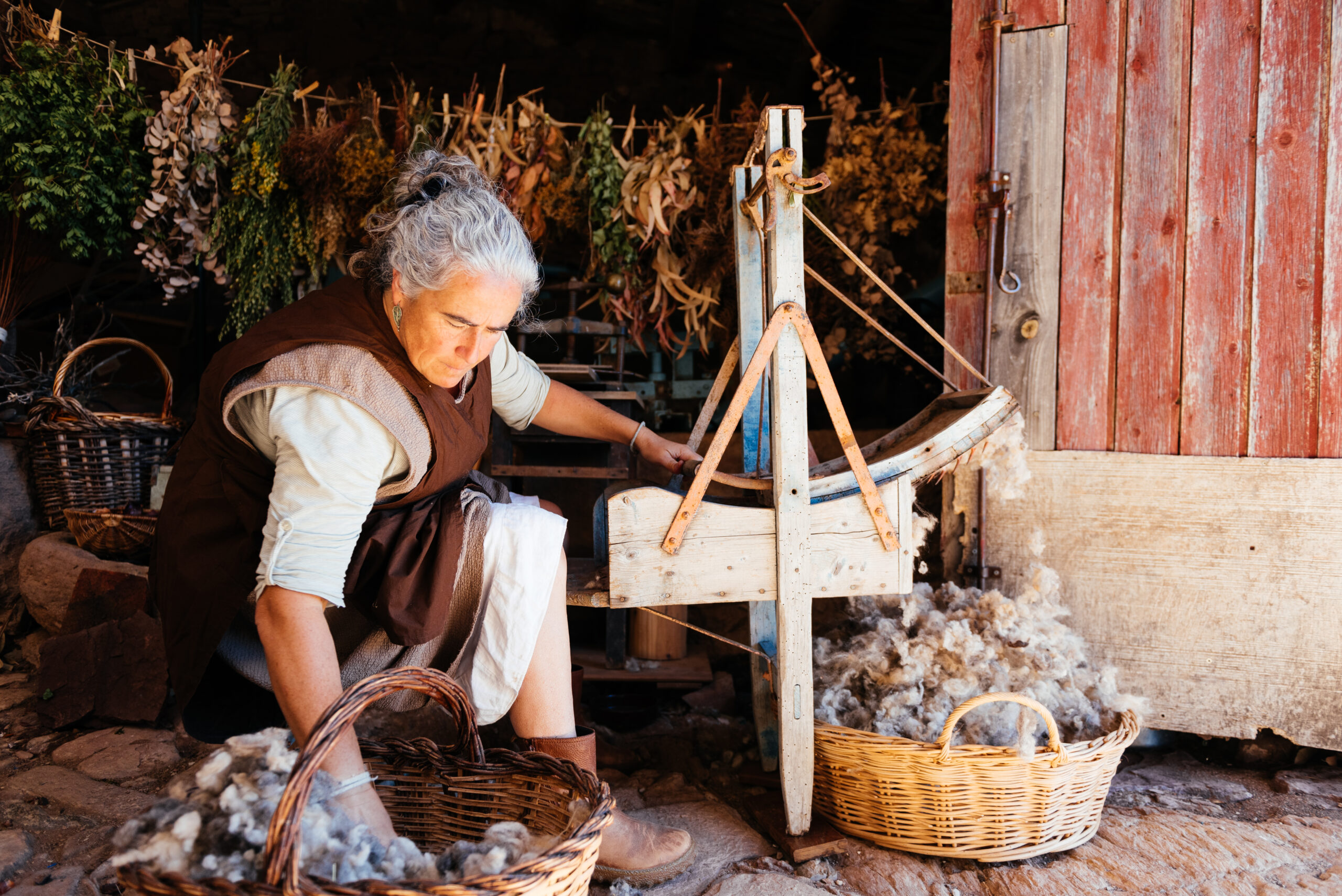
Henry stayed in Flanders long enough to observe the important Flemish system of cottage industries of linen and woolen cloth production and the making of fine finished linen products, which provided every farmer’s and merchant’s family with an important supplemental stream of income, and significantly supported the general economy and commercial activity in Flanders. Importantly, Henry noticed the general prosperity of the common working people in Flanders, relative to that of their impoverished English peers. He shrewdly deduced that this better standard of living was due to the widespread efforts of the Flemish people being engaged in those cottage industries.
Flemish tradition credits the skills and production techniques used by the Flemish in this endeavor to Carthaginian exiles who fled to Flanders to escape the Roman persecution of the Carthaginians during the Punic Wars which ultimately destroyed Carthage. These refugees migrated into Flanders, which at that time was beyond the realm of Roman authority. The Carthaginians showed the Flemish farmers how to grow flax and how to make the flax into linen cloth. Defoe tells us that whether the Carthaginian exile story was true or not was of no particular concern to Henry.
What Henry also saw was that many Flemish families were also beginning to buy raw wool exported from English shepherds, and that they had learned how to process that wool by first scouring (washing) the raw wool, then going through the arduous process of fulling the wool then carding the wool to get the fibers lined up parallel to each other, then spinning it into woolen thread and finally weaving it into woolen cloth and finally to use that cloth to produce finished woolen products for sale.
Henry understood that the value added by taking raw English wool and producing fine finished woolen products was a source of the widely distributed increased prosperity of the Flemish working and trading classes in Flanders, in comparison to what he knew to be the impoverished, subsistence conditions in rural England.
King Henry VII Executed His Plan to Improve the Lives of the Common People in England
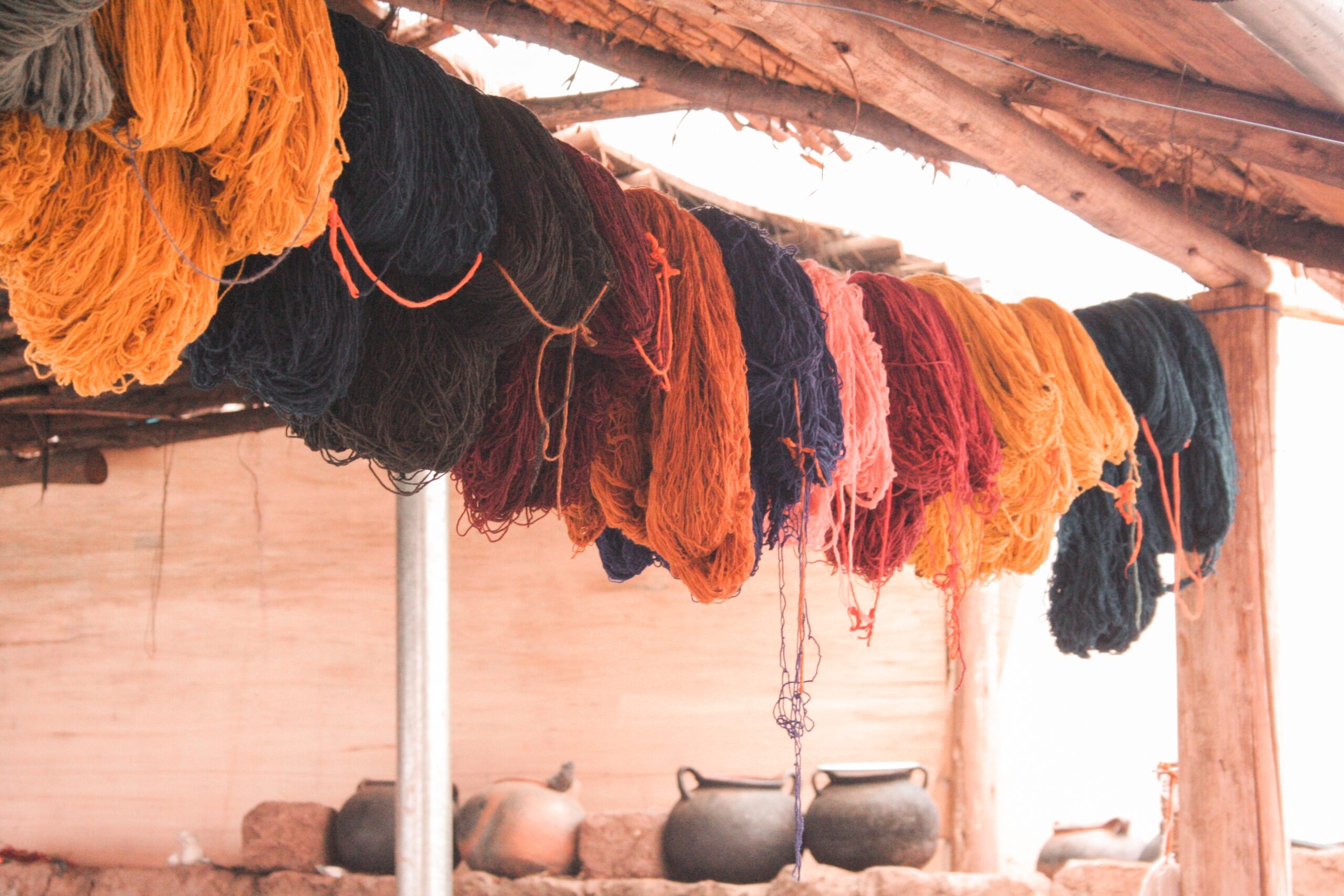
When Henry became the first Tudor king of England, he made it one of his royal missions to recruit skilled Flemish wool processors to teach their skills to willing English families. Those families learned to process raw wool into usable woolen thread and then to weave it into cloth to make woolen clothing and other finished products from the cloth. Processing raw wool into finished products requires many specialized skills which the English shepherds and tradesmen soon learned well.
To further assist his infant woolen industry King Henry the Seventh established protective tariffs again finished Flemish woolen imports. He also invoke export limitations on the raw material of this nascent trade product, England’s raw wool.

Mercantilist Practices Favor a Nation’s Common People
Such protective tariffs remained a routine practice in England up to and throughout Britain’s First Industrial Revolution. Britain did not begin to remove its protective tariffs until the mid-1840s when it foolishly became enamored by the wrong thinking of its leading economist, David Ricardo, who advocated the French Laissez-faire, free market proto-globalist trade concept, which slowly over the remainder of the 19th Century, ended Britain’s dominance in the Industrial Revolution it had begun.
America wisely continued it protective tariffs throughout its Second Industrial Revolution, until after the end of the Second World War, when America too became enamored with the foolishness of the French Laissez-faire, free market Globalist trade concept, it too begin to abandon the prosperity and well being of it’s manufacturing workers. But that is all another story,
Even Good Ideas Sometime Take Time to Flourish
It took some 80 years to transition this social change from Henry’s concept into a flourishing English cottage industry which became an actual commercial practice in the rural communities in England. It was not really in full production until the Elizabethan Era, but Henry’s plan did in fact become “a rising tide which raised all boats” in his beloved nation.
Prior to Henry’s successful development of England’s cottage industry of woolen production, England’s struggling peasant farmer classes and merchants lived a subsistence or only slightly better than subsistence existence.
By the time Henry’s Zeroth Industrial Revolution was mature it had produced the thriving and well-educated group of English middle classes that were the key asset which grew into the first industrial revolution. The English lower classes had transitioned from a group of feudal people living subsistence level farming lives to an educated group of self-sustaining proto-capitalist people.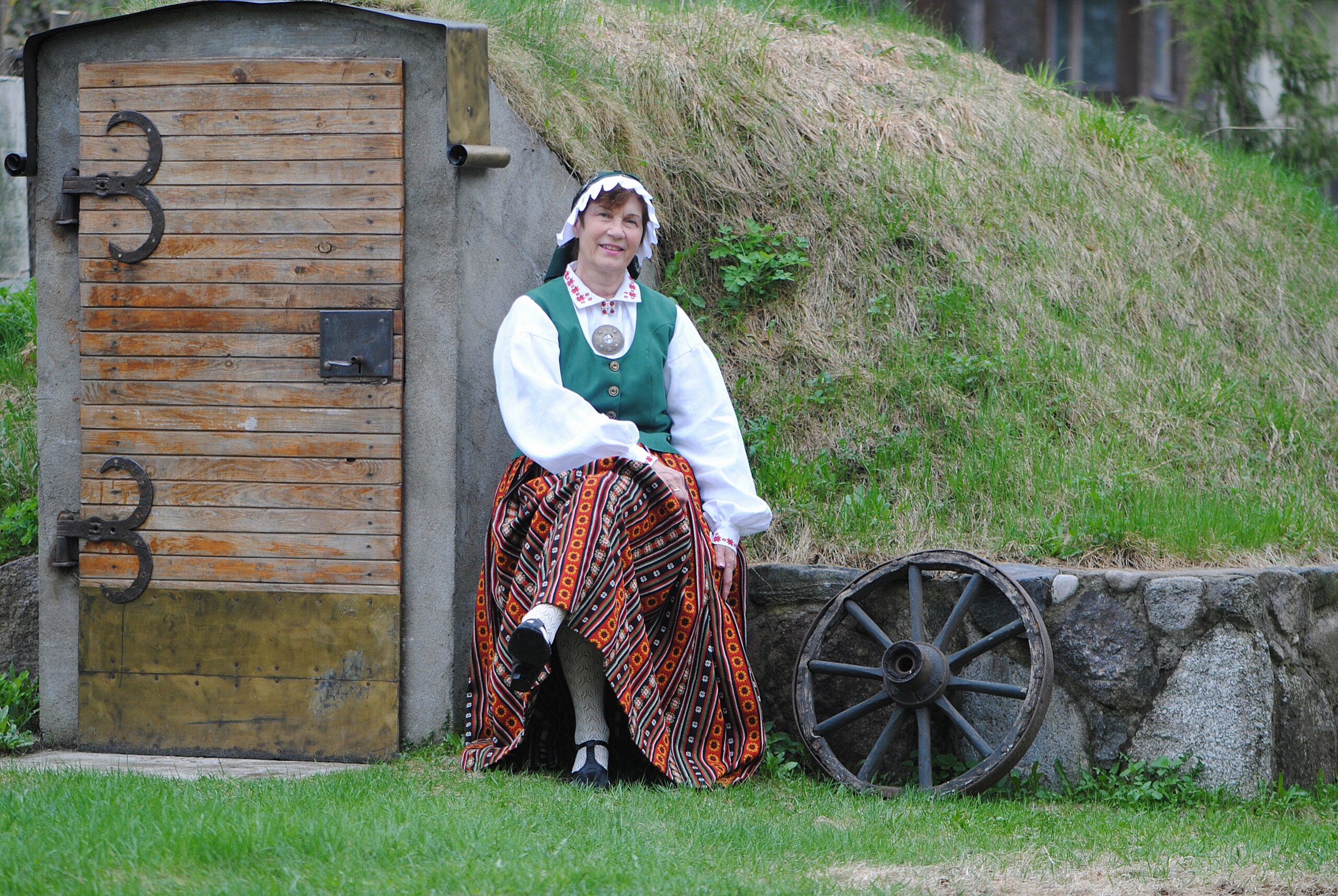
During this Zeroth Industrial Revolution, the class structure of England changed markedly and even the poor classes were living significantly better lives than their fore-bearers. However, all of the sweetness and light of the good consequences of England’s cottage manufacturing industry, and the many associated good consequences for the English poor and working classes is not the end of the story. This good social development would go on to be severely disrupted by some of the important developments associated with the first industrial revolution which is generally considered to be the true “dawn of true market-price-based commerce.”