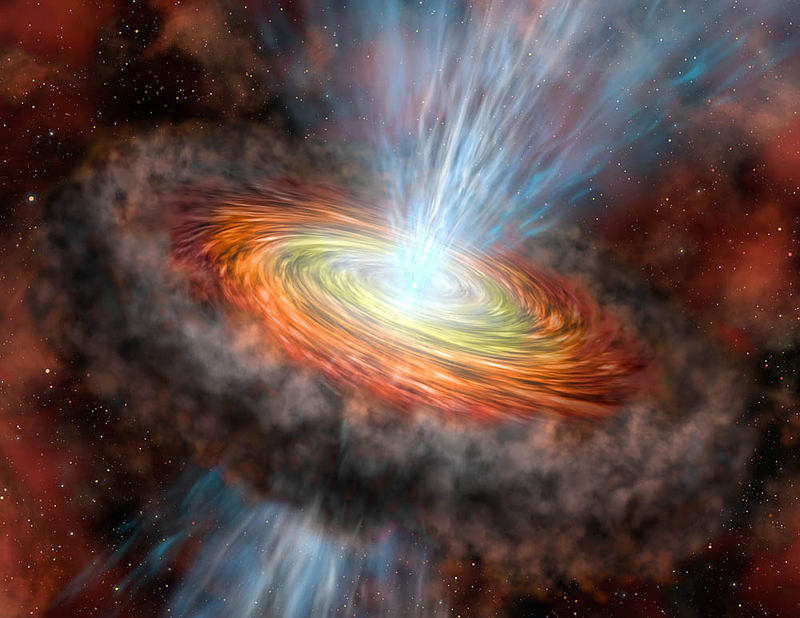
During the process of stellar formation (described in more detail in The Real Big Bang – The Creation of our Sun, linked below) a protoplanetary disc formed along the equator of the spinning protostar complex which would eventually become our Sun.
“In the beginning God created the heavens and the earth.”
The Big Flash (the Big Bang Singularity) happened an estimated 13.787±0.020 billion years ago. As it expanded its physical matter condensed out of the primordial condition of pure and exceedingly concentrated energy. Slowly over a period of about 300,000 years, the cosmic gas and dust began to coalesce under the force of the gravitational attraction of the gas and dust such that the cosmic matter formed into clumps and lumps within the cosmic dust clouds of creation. [See: The Big Flash – The Divine Creation of the Cosmos post, linked below.]
The ignition of the sun’s thermonuclear fusion bomb of stellar formation is estimated to have started some 4.533 to 4.527 billion years ago, or 9.26 billion years after the Big Bang Singularity (God’s Creation of the Cosmos).
To briefly recap, our chunky and lumpy cosmic dust cloud (a nebula) developed a gravitationally-driven dense core which became so dense that it began to warm up significantly. When it reached its critical mass (actually critical density) a thermonuclear fusion reaction began and our sun was born.
Our sun went through the phases of stellar formation described in more detail in The Real Big Bang – The Creation of our Sun, also linked below. In the Hourglass Phase of stellar formation an equatorial protoplanetary disk formed. The nascent planets of our solar system formed as a result of the gravitational attractions of the matter in that protoplanetary disk.
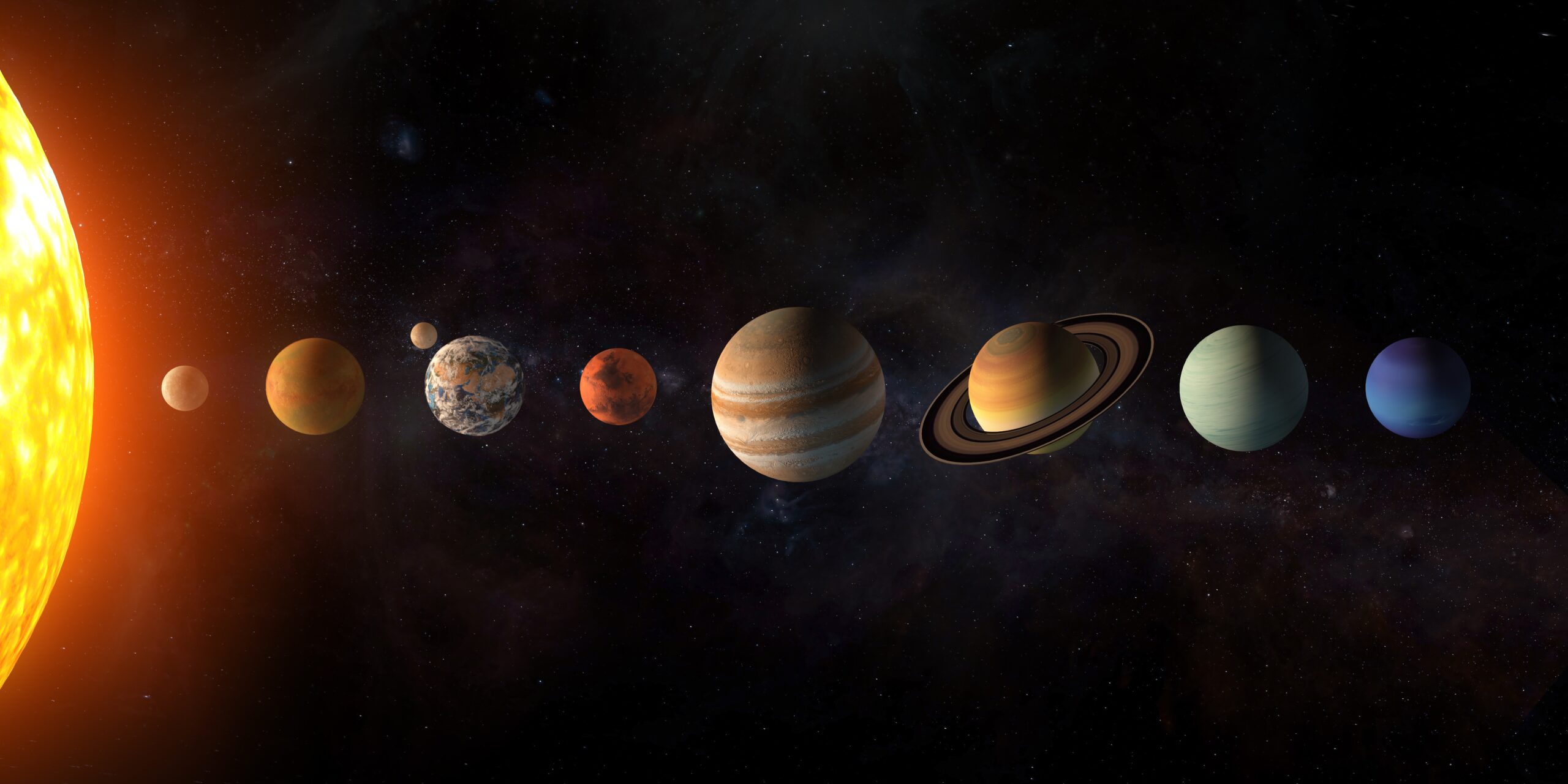
The earth is one of eight official planets in our solar system. The many addition objects in that system include the gravitationally rounded objects (GROs) of our Solar System. Excluding the 8 planets the GROs include the moons of the other planets, five so called dwarf planets, like Pluto and Ceres which orbits in the solar system’s asteroid belt, between Mars and Jupiter. There are also orbiting comets, and the too numerous to count asteroids.
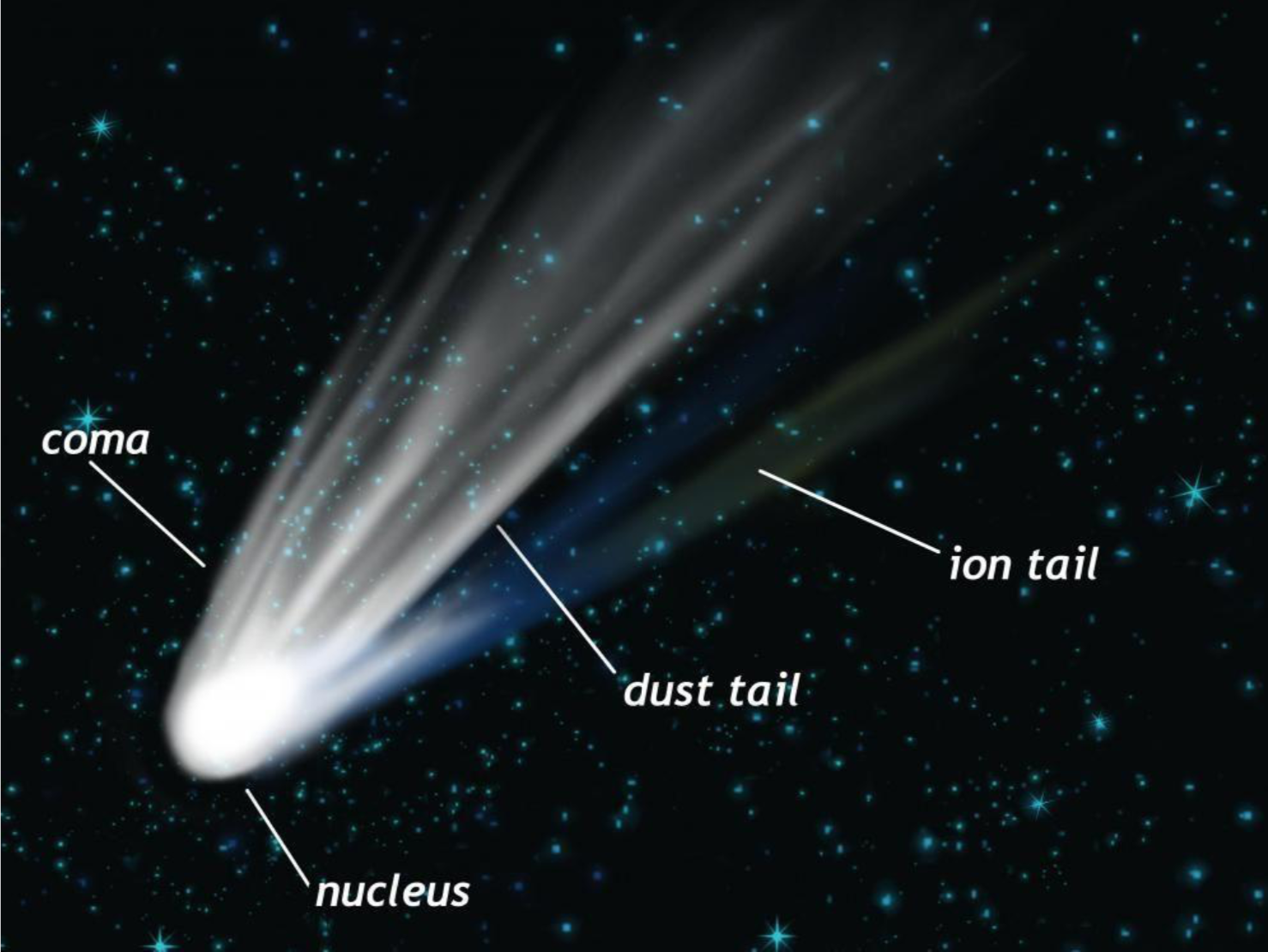
What Are Comets?
A body is classified as a comet, not an asteroid, if it shows a coma (a tail) when warmed by solar radiation, although recent observations suggest a continuum between these types of bodies.
What are Asteroids ?
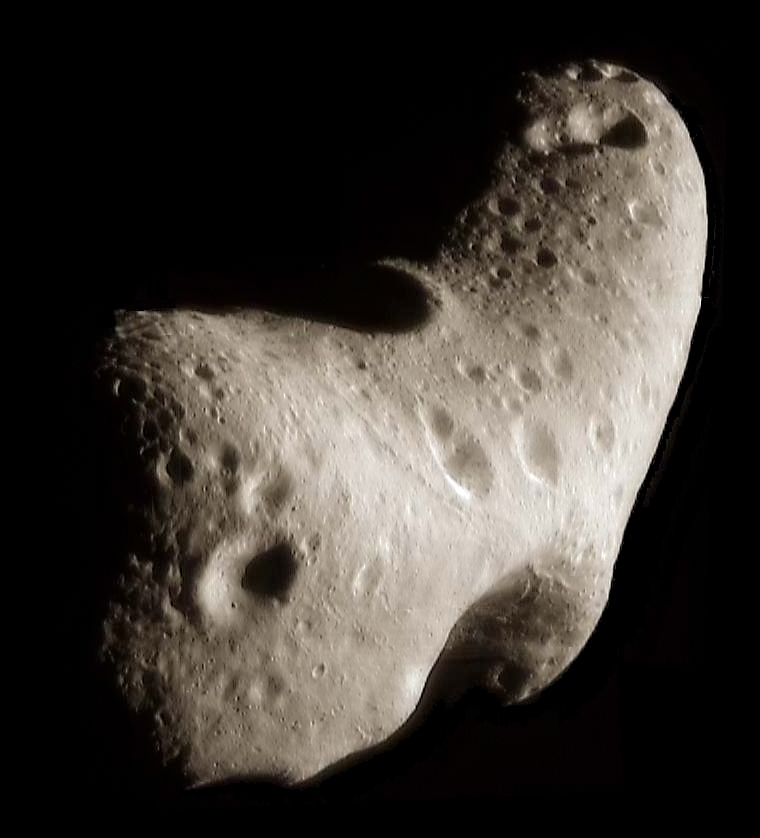
An asteroid is a minor planet—an object larger than a meteoroid (thus 1 meter or larger) that is neither a planet nor an identified comet—that orbits within the inner Solar System or is co-orbital with Jupiter (Trojan asteroids).
Asteroids are rocky, metallic, or icy bodies with no atmosphere, and are broadly classified into C-type (carbonaceous), M-type (metallic, mostly comprised of iron and nickle), or S-type (silicaceous). The size and shape of asteroids varies significantly, ranging from small rubble piles under a kilometer across to Ceres, a dwarf planet almost 584 miles in diameter.
What is a Meteorite?
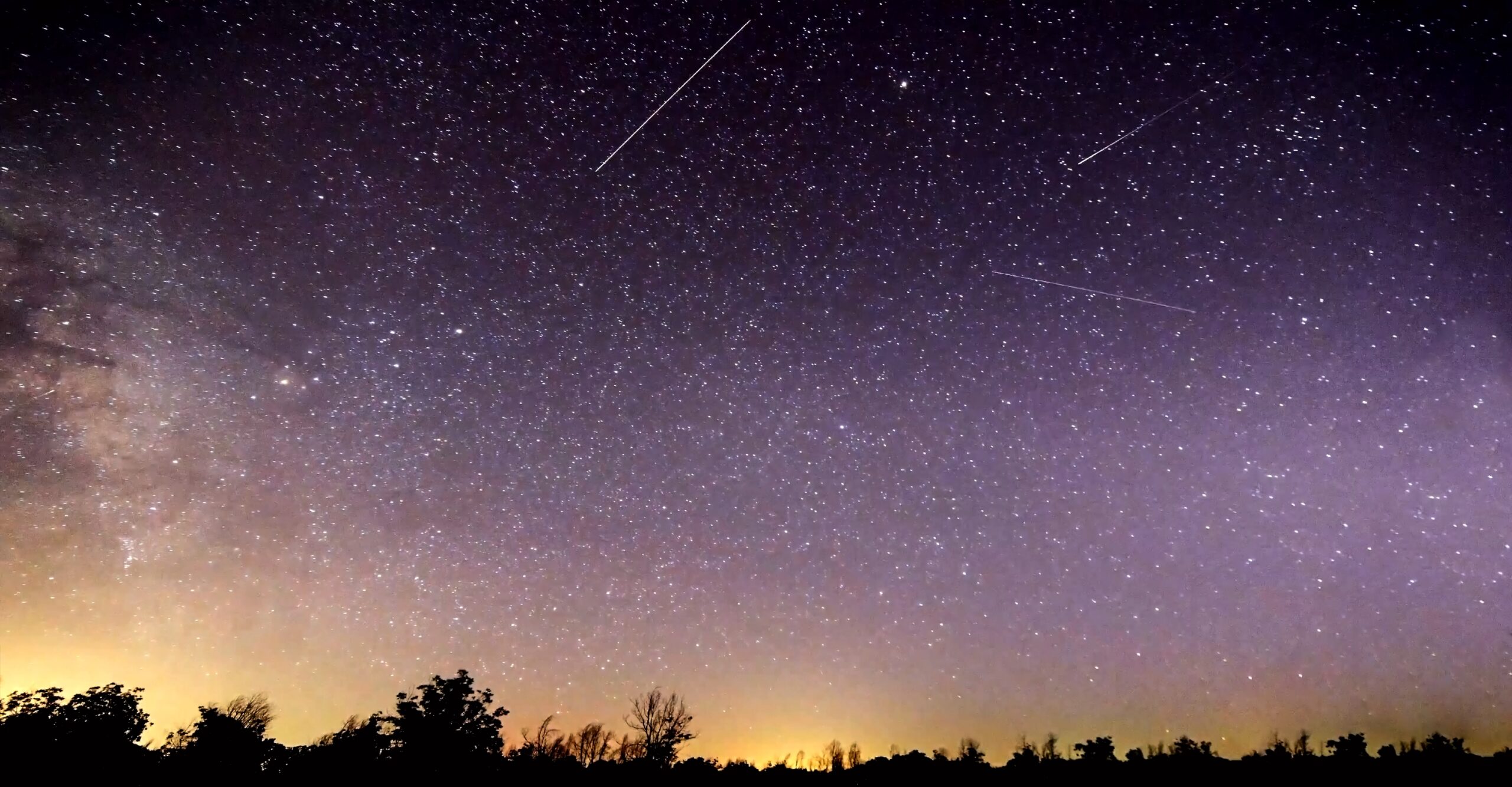
A meteorite is a rock that originated in outer space and has fallen to the surface of a planet or moon. When the original object enters the atmosphere, various factors such as friction, pressure, and chemical interactions with the atmospheric gases cause it to heat up and radiate energy. It then becomes a meteor and forms a fireball, also known as a shooting star. Once it settles on the larger body’s surface, the meteor becomes a meteorite. Meteorites vary greatly in size. For geologists, a bolide is a meteorite large enough to create an impact crater.
What is the Difference Between an Asteroid and a Meteorite?
An asteroid is a small rocky object that orbits the Sun, while a meteorite is a piece of a meteoroid that survives its passage through Earth’s atmosphere and lands on its surface. In simple terms, asteroids are found in space, and meteorites are what we call them once they reach Earth. Shooting stars are still common in our night sky.
The heliocentric view of the solar system was first describe by the ancient Greek astronomer and mathematician Aristarchus of Samos around 285 BC. He put the then known 5 planets in the correct order of their distance from the sun. Aristarchus’ correct idea was overshadowed by the permeative fallacy of Artistotle’s Geocentric cosmology until Nicolaus Copernicus restored and confirmed the truth of the heliocentric concept of the solar system in 1539.