
The Source
The most ancient texts of the Holy Scriptures were written more than 3,000 years ago and possibly as long as 4,000 years ago. The most recently authored texts were written 2,000 years ago.
Christians understand and believe that the Triune God who is first described the opening chapters of The Book of Genesis, created the vast entirety of the cosmos.
God and His husbandry of mankind is the main subject of the narrative found in those documents. Though specific individuals authored each of the books in the Bible, Christians accept that God in some way we are not really able to explain was the de facto primary author of each of those books.
The thorn in this story is that the exact origin and provenance of the Holy Writ is somewhat murky. However it involved divine action of some kind. Most likely in some form of divine “inspiration” which was provided to each of those authors. How can the scripture be “holy” if God’s hand is not directly involved in its production, preservation and dissemination?
The Bible is a compilation of a total of 66 books, with 39 in the Old Testament and 27 in the New Testament. Around 40 different authors wrote those books, again over a period of roughly 1400 years. Yet there is both a consistent group of literary themes, and an essentially unbroken literary voice which runs throughout its whole. None of the original text documents of those 66 books have survived to modern times. There is not even one fragment of one page known to be in existence today.
The Important Task of the Scribes
This leads to the second thorny and remarkably divisive problem of the accuracy of process of copying the original text documents. The copying process allowed the books to be published and read by an increasingly widening group of people, and it allowed careful and well-trained scribes to make replacement copies of older and badly worn copies.

The Difficult Challenge of Translation
The next thorny issue is that of translating the original language copies into linguistically developing newer languages. Any linguist will point out that languages don’t really have words with simple, single meanings which can be related directly to a corresponding word of identical meaning in the new language. That isn’t how human languages work. That problem is a particularly acute one for ancient vowelless Hebrew.
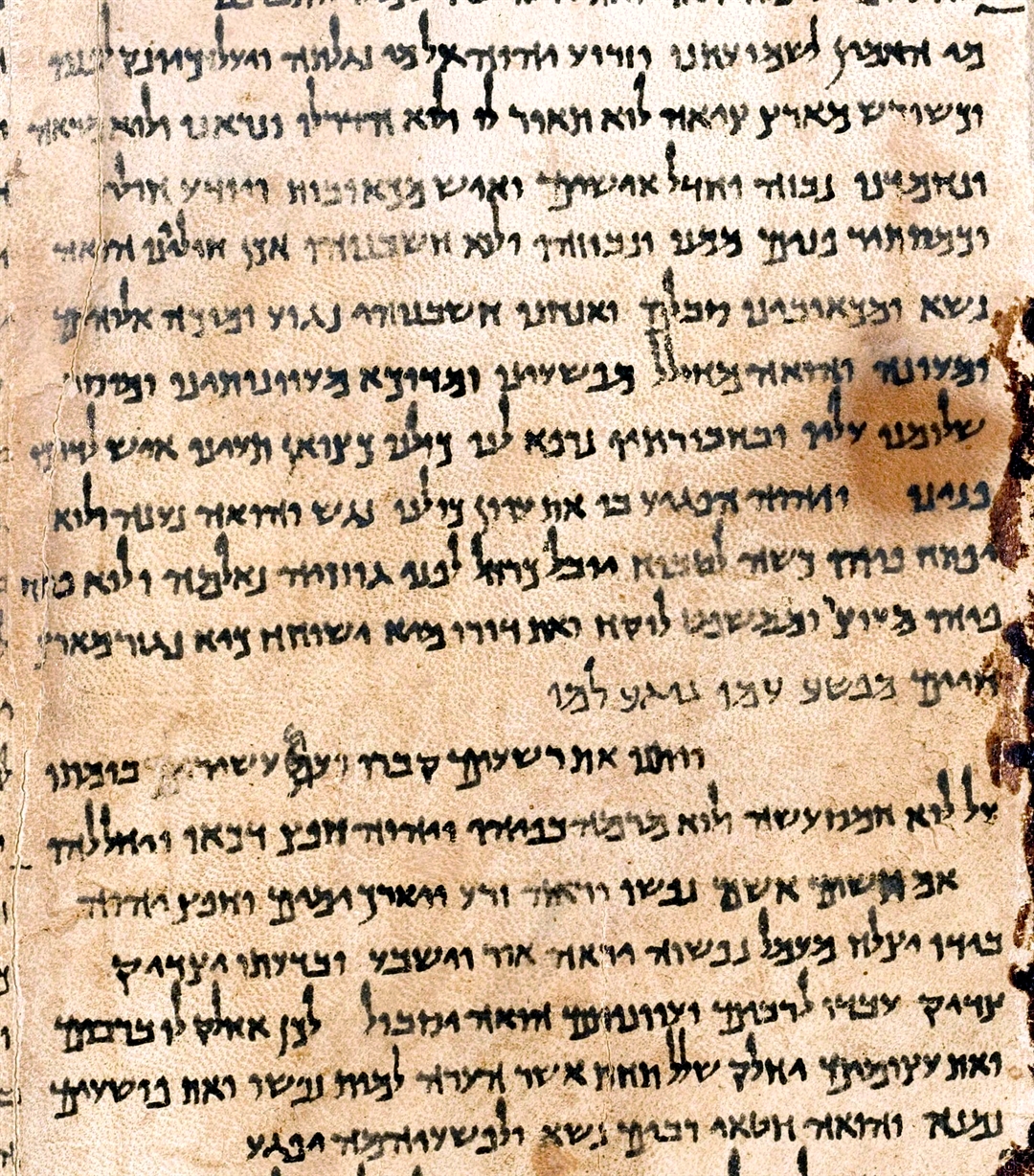
The oldest most authentic and therefore authoritative source texts of the Old Testament are The Dead Sea Scrolls which were found in numerous caves adjacent to the Dead Sea, in Israel.
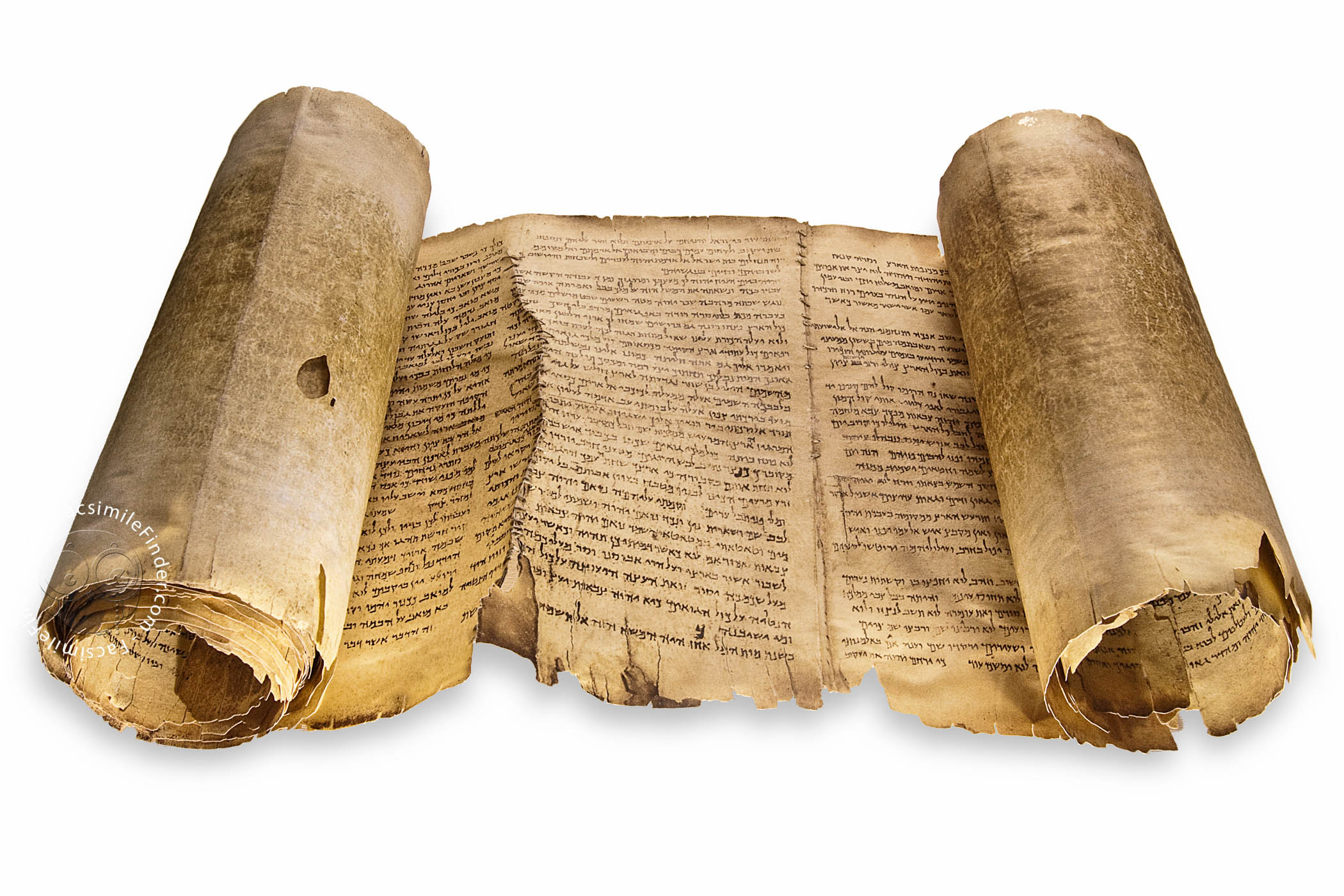
The 70 Rabbinical Scholars of Alexandria
The most famous and well-documented translation of the ancient Hebrew documents of the entire Tanakh (the Hebrew term for the Old Testament) into Koine Greek was performed by a group of seventy Rabbinical scholars working in the large diasporic Jewish community in Alexandria, Egypt. That task was directed and supported by Ptolemy II Philadelphus, the ruler of the Ptolemaic Kingdom between 308 and 246 BC as a portion of his effort to establish the Great Library of Alexandria and to stock it with every book known in the ancient world. That translation is known as the Septuagint (literally the copy of the 70, routinely abbreviated as: LXX).
That translation of the Old Testament was copied many times. It was thus published and disseminated throughout the post-classical Hellenistic world, because after the conquests of Alexander the Great the Koine Greek language was read and spoken in a wide swath of the ancient world.
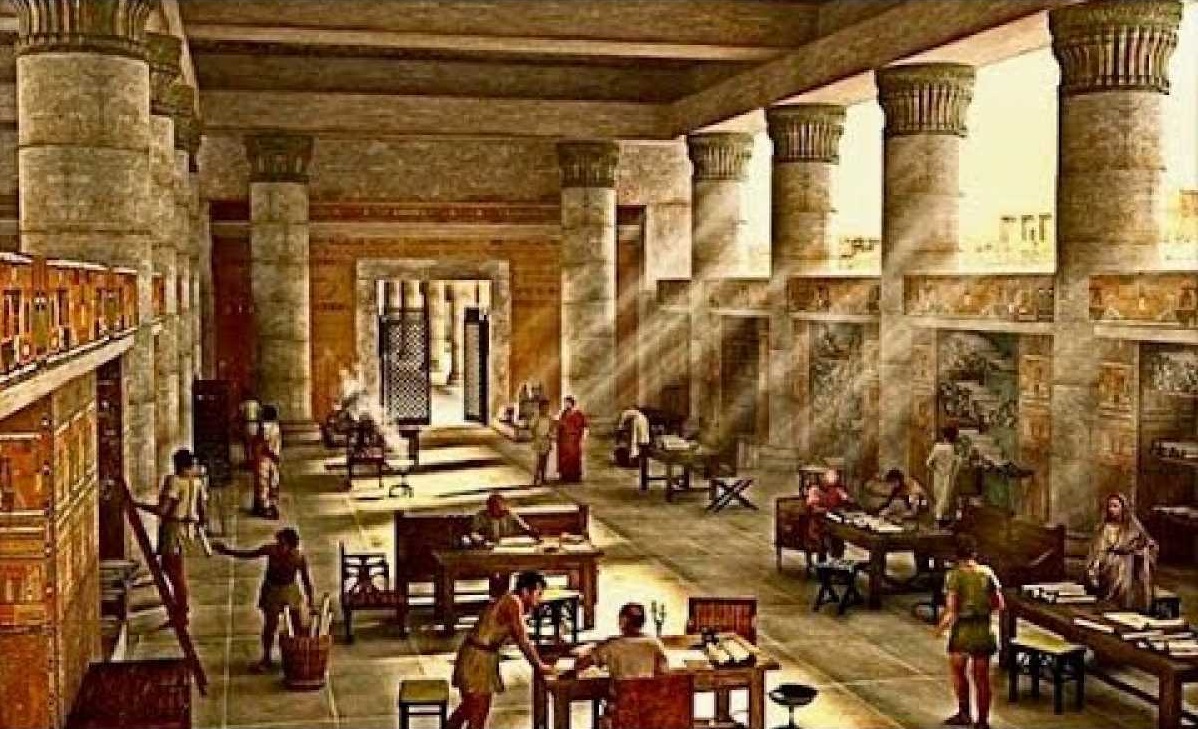
The Apostles Spoke Aramaic & Knew Koine Greek
At the time of Christ the vernacular language spoken in Israel was not Ancient Hebrew. It was the Semitic language of Aramaic. Aramaic was originally the language of the Neo-Assyrian Empire which became the Middle Eastern vernacular language spoke during the Achaemenid Persian Empire, prior to its conquest by Alexander the Great.
The apostles and disciples were engaged in commerce and tax collection so they were comfortable with Koine Greek and they had enough Latin to get by. The portions of the Old Testament they knew and could read for themselves was the Greek language Septuagint. Hence the New Testament books they wrote was written in Koine Greek, not in Hebrew.
Only the Pharisee, Saul of Tarsus, later the apostle Paul who was trained in and could read and write Ancient Hebrew.
Translators are Flawed People Too
The third thorn in this tale is the possibility that the translator might not actually understand some subtle nuance in the text which could lead to an accidental error in the translation. Worse still is the risk that the translator or the team of translators may have had some personal bias which could corrupt the process of translating the document to some degree. Even a slightly distorted preconceived notion or “understanding” of biblical principles could effect the results of a given translation of the ancient documents.
This means that it is important for translators, and teams of translators, to be faithful, practicing Christians, not just academically well-trained language technicians who might have lost their faith (become apostates) during the long process of their academic training.
Thus, it is important to understand that the concept of God’s Holy Spirit somehow inspiring and directing the original authors of the individual books of the Bible does not stop with the writing of the original author. That same divine inspirational process must extend to included the scribes and translators working to produce modern vernacular language copies of that Holy writ.
The Bible Does Not and Cannot Stand Alone
This brings up an associated and very important issue. The bible does not stand alone. The Bible, by itself is not the sole source of doctrinal authority. Nor is it the sole source of the Christian’s understanding of God’s will for his people or of God’s interactions with mankind throughout history or His interactions with us today.
The Christian Church Existed Before the Writing of the New Testament Did
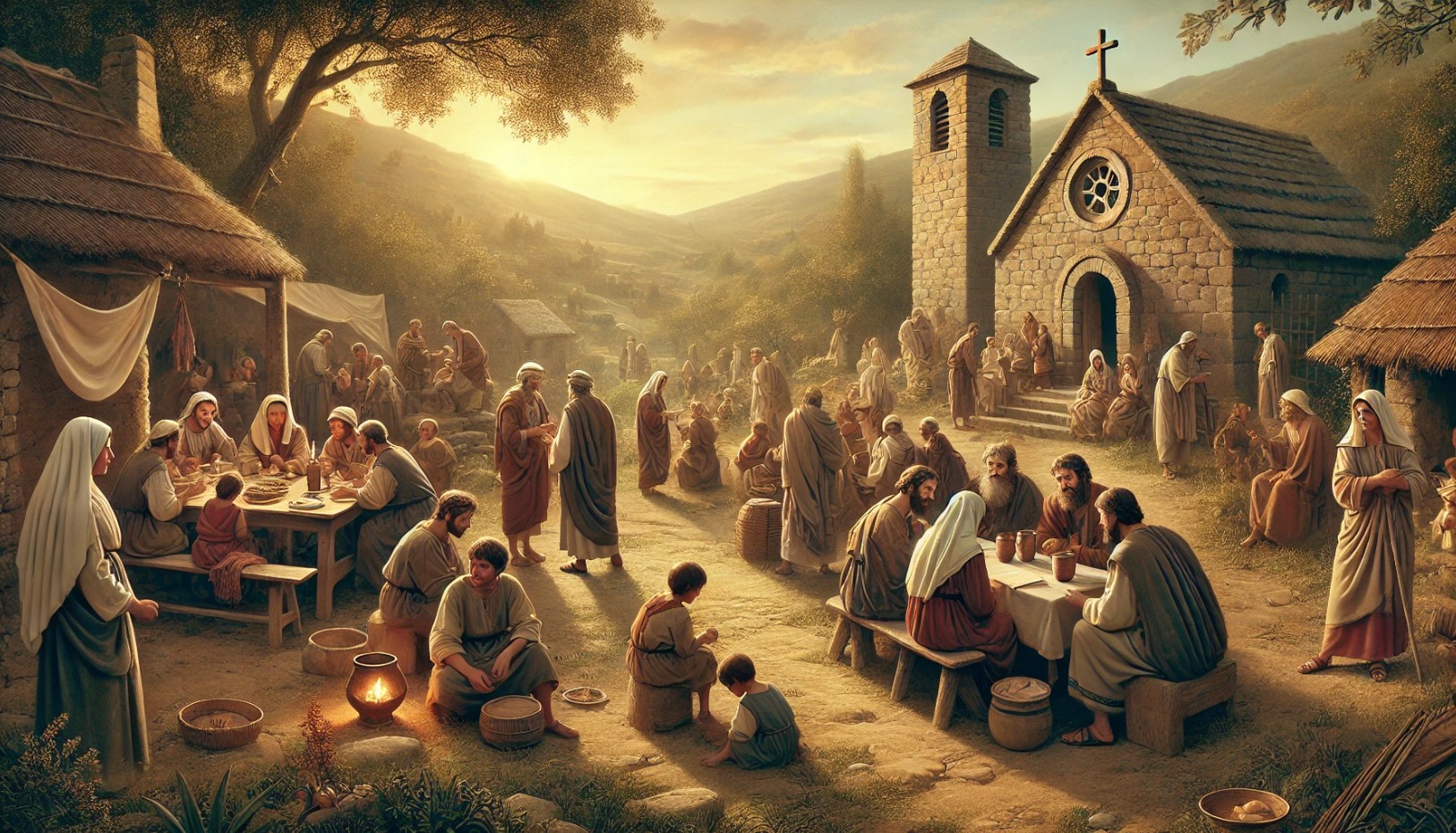
During the apostolic era and the immediately post-apostolic era, the Christian church formed, and grew dramatically throughout the Roman Empire and well beyond it into the Parthian Empire and well beyond that throughout much of the continents of Eurasia and Africa.
During this early phase the New Testament did not exist as we know it today. The oldest existing reference we have today to the entire New Testament having been assembled is found in Easter Letter written in AD 367 by Athanasius of Alexandria who was living in exile in the west, and wrote the letter as an encouragement the faithful in his parishes in the diocese of Alexandria. In that letter Athanasius names all of the books of the New Testament as we know it today.
The point of this is that for over three hundred years the Christian Church grew and thrived organically without an official cannon of scripture. It grew and thrived without a bible!
Think About That For A Minute. Let It Sink In.
The modernist, Post-Reformation idea of The Bible as the only authority of Christianity was an utterly foreign idea in the minds of the apostles and disciples and the early church fathers how formed and led the church through that entire era.
The One, Holy, Apostolic and undivided church was the authority of what was orthodox Christianity and what was not. And that church reverently preserved and taught the teachings of Jesus Christ the Son of God, and the divine principles that his apostles had received from Him. The Bible, as we know it today, was not the churches foundation.
Word and Sacrament
God’s holy revealed Word (both in the form of his Son and in the form His words written down for us) and His Church (His chosen apostles and disciples) were partners in expressing the authority of God.
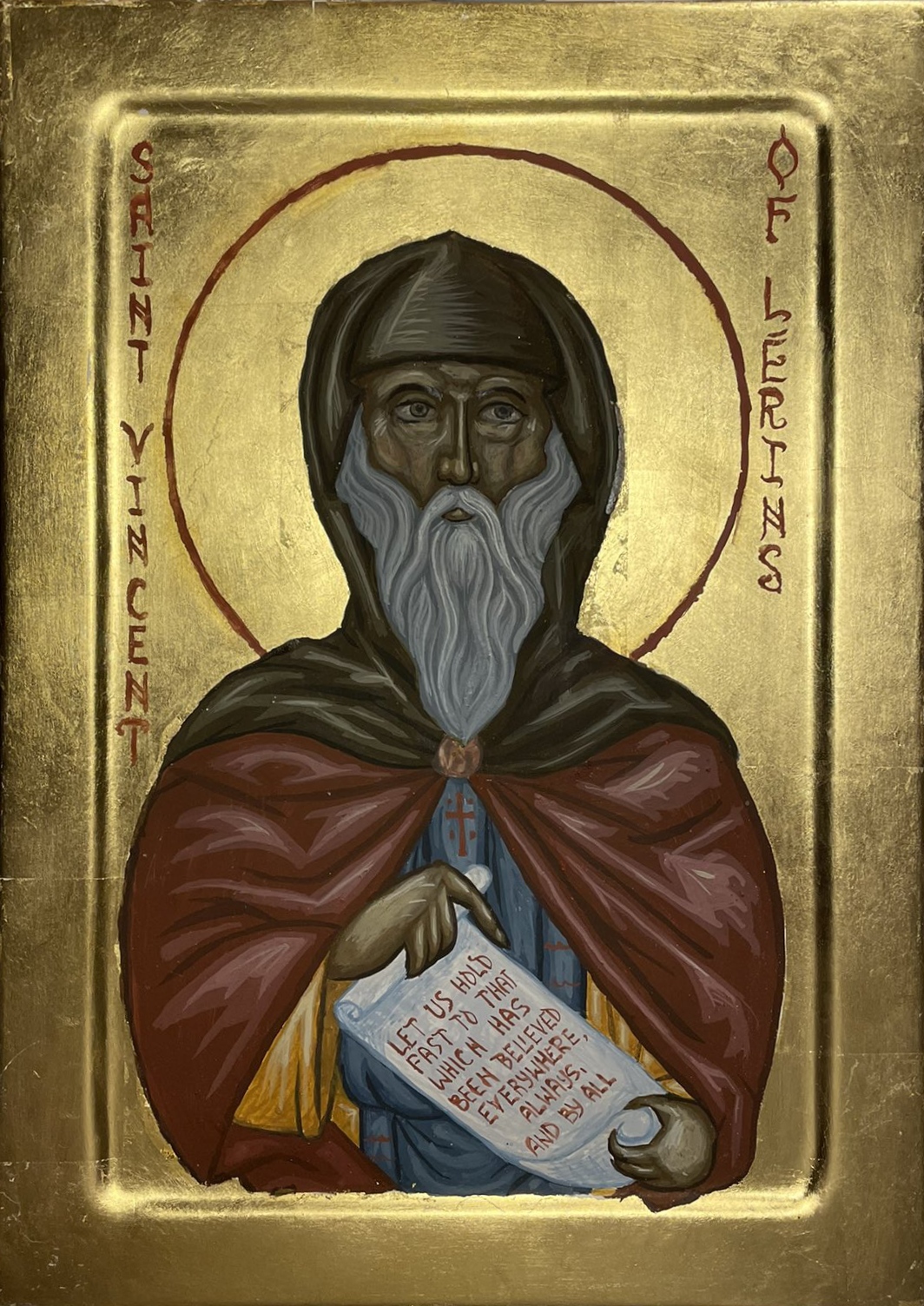
To quote the famous statement of Vincent of Lerins, made in AD 434:
“Now in the catholic church itself we take the greatest care to hold to that which has been believed everywhere, always and by all (ubique, semper, ab omnibus)”
As it was in the beginning, is now, and ever shall be, wold without end. Amen!
Here’s The Issue
The Bible is complicated. Some passages are obtuse, and difficult to understand. That problem was addressed because the respected and orthodox elders of the Christian faith, whose faithful lives had been known by their peers for decades were a living Bible. Once the individual books of the New Testament were written, approved and compiled into the Bible, the authority of the One, Holy, undivided and Apostolic church was not forgotten.
The authority of God’s Holy word, and of Christ’s apostles was shared. The wisdom, of the apostles and their example of right living was used to explain the words of the scriptures. The less clear portions of those Holy Writings need the wisdom of the Christian Church universal to be rightly understood.
The actual phrase used to describe the church was the “One, Holy, Katholic and Apostolic Church.”
Note that the Greek term katholic or the Latinized version of that term catholic (the English meaning of which is universal) is a reference to the whole and legitimate Christian Church (sometimes referred to as The Universal Church). It is not a reference to the later western denomination (or fragment) of that church which calls itself the Roman Catholic Church (which is a valid arm of the Christian church, but contrary to their claims is NOT the only valid arm of God’s holy and truly katholic church).
Together The Bible and the right understanding of the Bible taught by the church form the basis of the correct understanding of God and His Word, given to us.
Conflicts Occur in Human Organizations
None of this is to say that all Christians always agreed about everything. That could never be the case in any human organization, even an organization which tries to submit to the authority of God.
However, God gives us an example of how to resolve such conflicts in a Christian manner. The example is found in the 15th chapter of the book of The Acts of the Apostles. The conflict mentioned there is about how to handle uncircumcised non-Jewish converts to the Christian faith. The question was: Do gentile converts need to be fully Judaized and made fully Jewish, before they can become Christians? The Apostles gathered in Jerusalem in AD 50 , some 17 years after Christ was executed on the Cross in the same city. They gathered, prayed, and discussed the issue and then they collectively and definitively made their decision and resolved the issue once and for all time.
This event clearly demonstrates the biblical orthodoxy of the disseminated model of authority and control used in the early church, and it clearly shows the Apostle Peter as willing to be corrected by the opinions of his fellow apostles, and will to submit to the conciliar decision.
The Seven Great Ecumenical Councils
The model of The Jerusalem Council became the Biblical and ecumenical model of conflict resolution which was practiced for the next millennium of the One, Holy, Katholic and Apostolic church. The subsequent Seven Great Ecumenical Councils were and have been core authority of Christian doctrinal orthodoxy ever since.
This principle clearly illustrates that the Christian church is not a smorgasbord of principles and doctrines from which each Christian gets to personally pick and choose from as he or she wishes. It also shows that the authority of the Christian church is not a monarchy with a single person at the top making all of the “official” proclamations for the whole church from the top downwards.
Conclusion
The ultimate authority in the church is God. We learn to understand and to obey Him by his divinely appointed dual authorities of Scripture and the Church Universal.